Trump Rejects Iran’s Proposal to Reopen Strait of Hormuz


Posted on 09/26/26 at 22:58
- Trump rejects Iranian proposal
- Iran offered to reopen Hormuz
- Oil remains under pressure
Donald Trump rejected on Saturday the Iranian proposal to normalize traffic through the Strait of Hormuz for 7 days and move towards new negotiations.
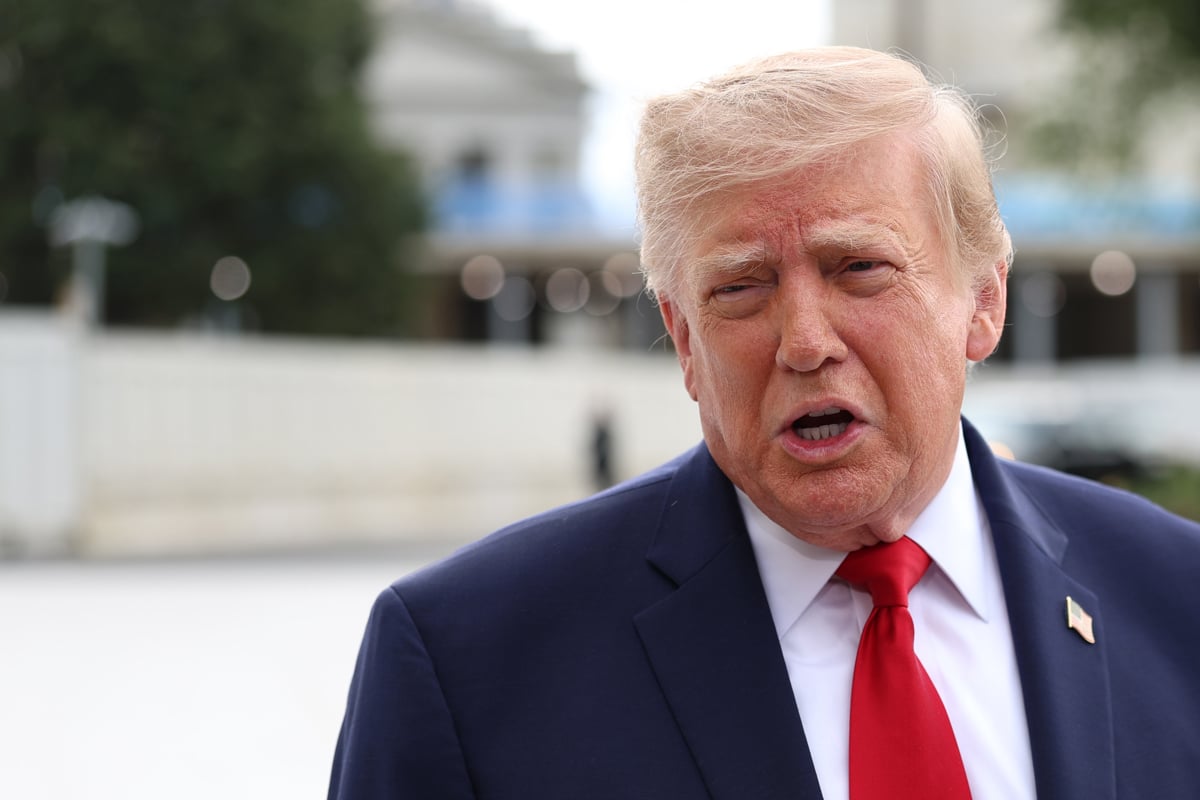
«They made a proposal, but I rejected it,» the US president told journalists before leaving the White House, according to the provided material.
The president also maintained that the United States has «total control» of Hormuz and ensured that large quantities of oil continue to transit through this strategic route.
The rejection keeps the dispute over a maritime route open, whose alteration has already had significant consequences for energy markets and international trade.
Trump Rejects Iran’s Plan to Reopen the Strait of Hormuz
President Trump has rejected the latest proposal from Iran to reopen the Strait of Hormuz in seven days and launch in-depth negotiations to end the war.
«They want to make a deal,» he told reporters Saturday. «I think that’s fine, I like making a deal too. But that deal [they…
— CBS News (@CBSNews) September 26, 2026
Tehran presented a seven-day roadmap, mediated by Qatar, that conditioned the reopening of the Strait of Hormuz on several US actions.
Iranian Chancellor Abás Araqchí explained that Washington would have between four and five days to fulfill the first commitments outlined in the proposal.
YOU MAY BE INTERESTED: Republicans are close to losing the House of Representatives: 15 contests move towards Democrats
According to the Iranian plan, Hormuz could be reopened on the sixth day, and both parties would resume conversations to reach a broader agreement later.
Among the disclosed conditions are lifting the naval blockade, relaxing oil sanctions, and establishing a regional ceasefire; a request to release frozen assets was also reported.
Trump Rejects Tehran’s Conditions
▶️ Trump rejects Iran’s latest proposal to reopen the Strait of Hormuz.https://t.co/q5PrKVVFzw
— Noticias Telemundo (@TelemundoNews) September 26, 2026
Trump acknowledged that Iran seeks to negotiate but considered the proposal presented unacceptable to Washington, according to his statements on Saturday.
The episode represents a new setback to the diplomatic efforts developed around the United Nations General Assembly in New York.
Araqchí had previously indicated that the calendar would begin immediately after US acceptance and that Qatar would transmit the initiative between the two governments.
For now, the positions remain distant: Tehran links the reopening to US concessions, while Trump publicly rejected the presented scheme.
Why Does the Strait of Hormuz Remain Key to Oil?
The economic importance of the strait explains why any negotiation goes beyond the military terrain and can directly affect international energy prices.
Before the conflict, oil flows through the Strait of Hormuz reached 21.6 million barrels per day during the fourth quarter of 2025, according to EIA data.
This volume fell to approximately 4.9 million barrels per day during the second quarter of 2026, showing the magnitude of the disruptions caused by the conflict.
The EIA warned in September that transit restrictions could persist into the fourth quarter, keeping part of the region’s production below pre-conflict levels.
Why Does it Matter?
- Hormuz moves global oil.
- Transit restrictions persist.
- Energy faces new uncertainty.
Sources: Efe, El Financiero.