Train Accident in Toledo: How the Tragedy in Spain Occurred


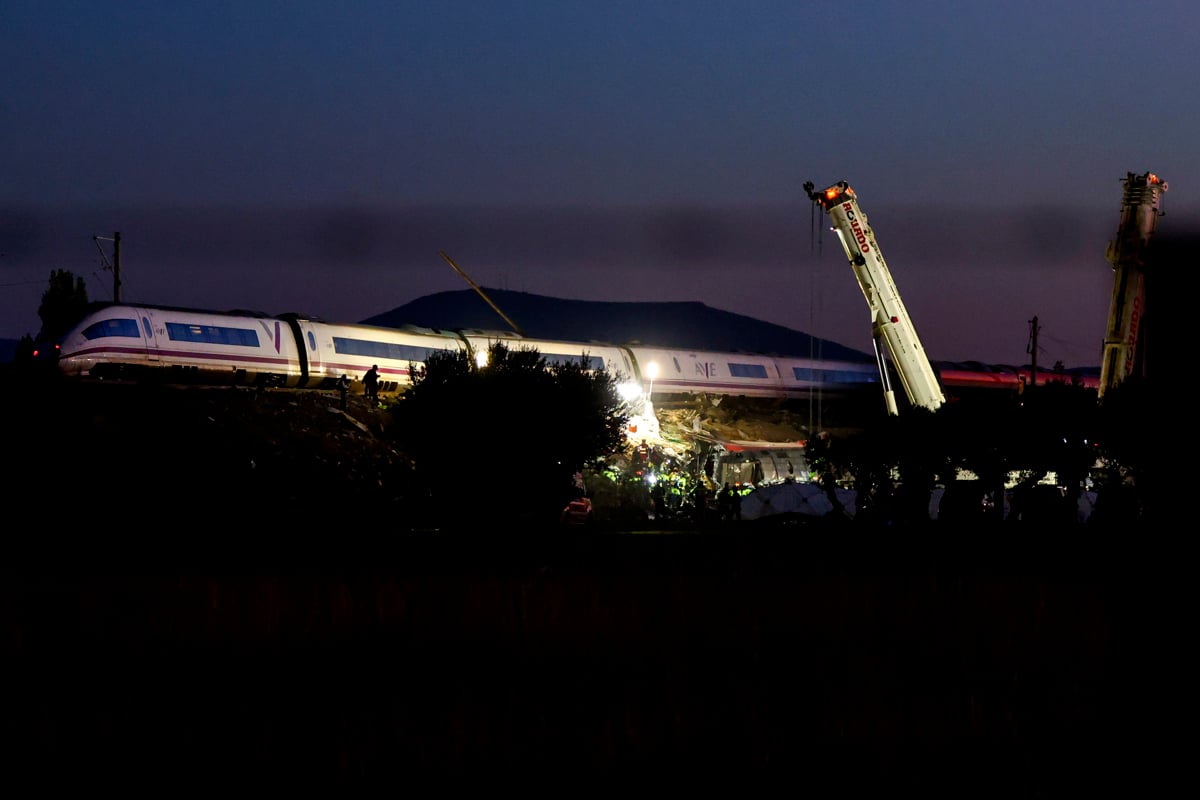
Posted on 10/28/26 at 23:00
The train accident that occurred this Wednesday in Toledo, Spain, has left a preliminary toll of 68 dead and 50 injured, according to information provided by the authorities. Transportation Minister Óscar Puente attributed the collision between a Renfe Ave train and an Iryo train to an authorization from the railway control center, issued after a security failure.
Why it matters: The investigation points to operational decisions that may have compromised the safety of hundreds of passengers, while authorities seek to establish responsibilities.
The fact: 68 dead, 50 injured.
The process: Investigating authorization to proceed.
What you can do: Check official railway information.
What Caused the Train Collision in Toledo?
Simulation of possible collision in the Toledo train accident. https://t.co/DteYUND82h
— Alexandra (@AlexxRM82) October 28, 2026
According to Puente’s explanation, the LZB security system stopped working around 8:30 in the morning, local time, causing the detention of several trains. Six minutes later, the Adif control center authorized an Ave train to resume its journey, despite another convoy being stopped near Urda station.
YOU MAY BE INTERESTED: Train Collision in Spain Leaves at Least 68 Dead; Investigating Control Center Order
The authorization was allegedly issued without establishing a speed restriction, a circumstance that the minister identified as the determining factor in the accident. At 8:53 in the morning, after traveling approximately 25 kilometers, the Ave train collided with the Iryo train, which remained immobilized on the track.
Railway Accident in Spain: Investigating the Control Center
The audio of the conversations at the Control Center reveals another FAILURE: they do not seem to be aware that they are managing an emergency.
That’s my impression.
The sounds are a combination of disorder and unjustified calm.
There are erroneous orders. But it’s worse than that: the procedure is surprising, manual, and human. I may be wrong. But it’s shocking.
When the LZB fails, and with trains that (appear) have not yet reached any lateral signal that protects them, one would think of maximum precaution, guarantees, low speed. But that is not evident from the audio or the known facts.
Can we be missing clues? Yes.
But the feeling right now is that the LZB fails, the orders fail, and the system as a whole fails when it puts three people with a manual in a «single point of failure».
— Kiko Llaneras (@kikollan) October 28, 2026
The Ave train was carrying 378 passengers to Seville, while the Iryo train had 174 people on board, including a baby. The Civil Guard and the Railway Accident Investigation Commission (CIAF) are examining the circumstances of the collision, according to information attributed to EFE.
Investigations are also questioning the worker in charge of regulating rail traffic on the Madrid-Seville high-speed line when the tragedy occurred. Although Puente ruled out responsibility on the part of the train drivers, the final conclusions will depend on technical evidence and the outcome of official investigations.
Testimonies Reveal the Violence of the Train Collision
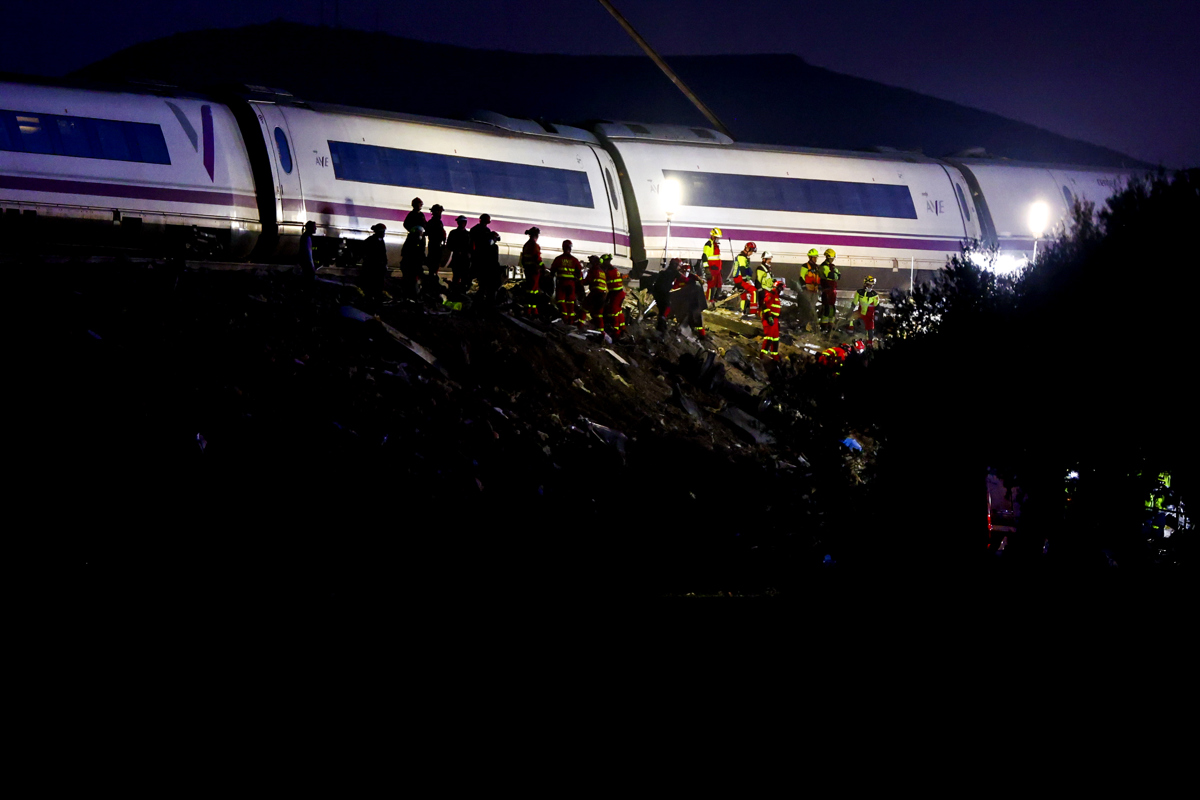
The accident occurred in an area surrounded by olive groves, between Urda and Los Yébenes, where several cars suffered significant damage and debris was scattered. Ignacio Relaño, a passenger on the Ave train, told TVE that the train stopped briefly, started moving again, and then suffered the impact.
The witness described a sudden deceleration and moments of confusion, when the passengers’ belongings were thrown out by the force of the collision. Health Minister Mónica García reported that emergency teams focused their efforts on the most affected cars and transferred the injured to nearby hospitals.
What Follows After the Train Accident in Spain
Authorities will have to reconstruct the communications between the control center and the train drivers to determine how the circulation was authorized after the failure. It will also be essential to establish why additional restrictions were not applied and whether there were mechanisms capable of preventing both trains from coinciding on the same track. As emergency work continues, the investigation will have to clarify responsibilities and determine what measures can be taken to avoid a similar tragedy.
Source: ABC, EFE