Sheinbaum and Trump Push Trade Talks Forward: What’s at Stake for Mexico and U.S. Hispanics


Posted on 09/18/26 at 23:00
- Sheinbaum and Trump make progress
- Tariffs remain under negotiation
- Hispanics closely watch the agreement
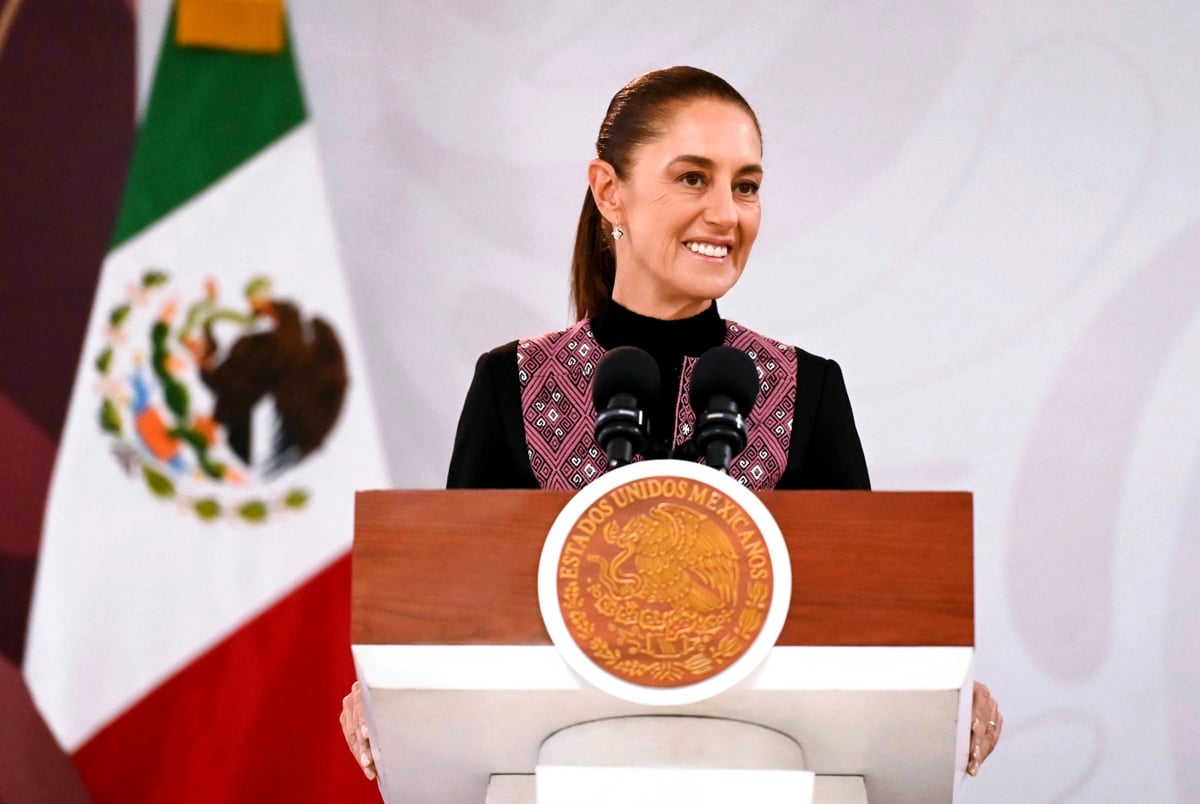
Mexico and the United States are moving closer to a potential trade agreement following a recent conversation between Claudia Sheinbaum and Donald Trump, although several issues remain to be resolved.
The President of Mexico confirmed that she spoke with Trump on Wednesday and described the contact as positive, but warned that there is still no final agreement to announce.
Sheinbaum explained that the conversation focused on trade negotiations and ruled out discussing security, drug trafficking, or other issues that have caused bilateral tensions.
The dialogue is significant given the negotiations over sensitive sectors such as automobiles, steel, and aluminum, which Washington and Mexico have already formally put on the table.
Sheinbaum and Trump Advance US-Mexico Trade Agreement
🇲🇽 Claudia Sheinbaum confirmed a call with Donald Trump to discuss progress on the trade agreement between Mexico and the United States. There is still no definitive agreement; Mexico seeks to reduce tariffs on steel, aluminum, and autos. #Sheinbaum #México pic.twitter.com/WEXqV6xkOl
— Rotativo de México (@rotativodemex) September 18, 2026
The president assured that her government has held 22 phone conversations with Trump since January 2025, although not all have been publicly reported.
Mexican officials directly involved in the economic and diplomatic relationship participated in the call, as both governments try to resolve pending issues.
YOU MAY BE INTERESTED: Court halts Trump’s policy of accelerating deportations to third countries
The bilateral conversations in 2026 have included rules of origin, economic security, agriculture, labor issues, and conditions for strategic industries in North America.
Washington and Mexico also agreed to hold a fourth round of bilateral talks in September, after previous negotiations in Mexico and the United States.
Tariffs Put Pressure on the Agreement
🚨 SHEINBAUM CONFIRMS NEW CALL WITH TRUMP: «It’s going well» possibility of an agreement with the US, she says.
After reports from @politico about a phone call between @claudiashein and President @realDonaldTrump, the president stated that she had the conversation with her… pic.twitter.com/Jiz9IM3IAw
— Luis Alberto Medina (@elalbertomedina) September 18, 2026
Why does it matter?
An agreement could reduce uncertainty for companies integrated between Mexico and the United States, especially those involved in manufacturing and regional supply chains.
Mexico remains one of the main US trade partners, so any change can quickly spread to companies, workers, and consumers.
Standing facts:
- Bilateral trade: $964,100 million.
- Autos still under negotiation.
- Steel and aluminum, key.
The exchange of goods and services between the United States and Mexico reached $964,100 million in 2025, according to data published by the US Trade Representative’s office.
Procesesses:
- Bilateral rounds continue.
- Pending issues persist.
- No definitive announcement yet.
The automotive sector is particularly sensitive because the T-MEC rules link factories and suppliers from the three countries through specific regional content requirements.
What Does it Mean for Hispanics in the US?
🇺🇸🇲🇽 President Claudia Sheinbaum confirmed that she spoke by phone with Donald Trump, with whom she discussed the trade agreement.
«It’s going well, the possibility of an agreement with us, Mexico – United States», she expressed.https://t.co/QDRtvBXnDt pic.twitter.com/ol1KMEfjjS
— El Universal (@El_Universal_Mx) September 18, 2026
For Hispanic families, the outcome can be felt indirectly in jobs, prices, and availability of products linked to supply chains between the two countries.
A reduction in trade frictions could bring greater predictability to US companies that buy Mexican components or goods, although the effect will depend on the final agreement.
There is also a labor dimension: the supply chains between the two countries include automobiles, electronics, medical devices, and textiles, sectors with strong cross-border integration.
Therefore, the consequences for Hispanic workers and consumers cannot yet be determined: they will depend on what ultimately happens with tariffs, rules of origin, and manufacturing.
What Can Consumers Do?
- Wait for the official announcement.
- Compare vehicle prices.
- Monitor tariff changes.
- Avoid making decisions based on rumors.
For those planning to buy a car, construction materials, or other goods affected by these supply chains, it’s essential to distinguish between the current negotiation and any actual price change.
Tariffs are not necessarily automatically or fully passed on to consumers, as companies, importers, and suppliers can absorb or redistribute part of these costs.
Economic integration is significant: Mexico was the primary source of US imports in 2024 and received hundreds of billions of dollars in US exports.
The next step will be to learn the content of the eventual agreement. Until then, the Sheinbaum-Trump call represents a diplomatic advance, but it does not, on its own, modify the current trade rules.
Sources: El País, El Universal.