Trump Announces $8 Billion Harvest Fuel Relief Program: What Farmers Need to Know


Posted on 10/22/26 at 14:55
President Donald Trump announced an $8 billion relief program for American farmers to help offset record-high diesel prices. He unveiled the initiative on Monday, October 19, 2026, during a campaign rally in Park City, Kansas, near Wichita. The program, called Harvest Fuel Relief, will be administered by the U.S. Department of Agriculture (USDA).
- The USDA will provide $8 billion in one-time payments during the harvest season, with no crop insurance requirement for participation.
- Crop-specific payment rates will be announced in November, while the payment methodology for other eligible agricultural products will be released later.
- Diesel averaged $6.276 per gallon during the week of October 19, according to the EIA, remaining above $5 for 14 consecutive weeks.
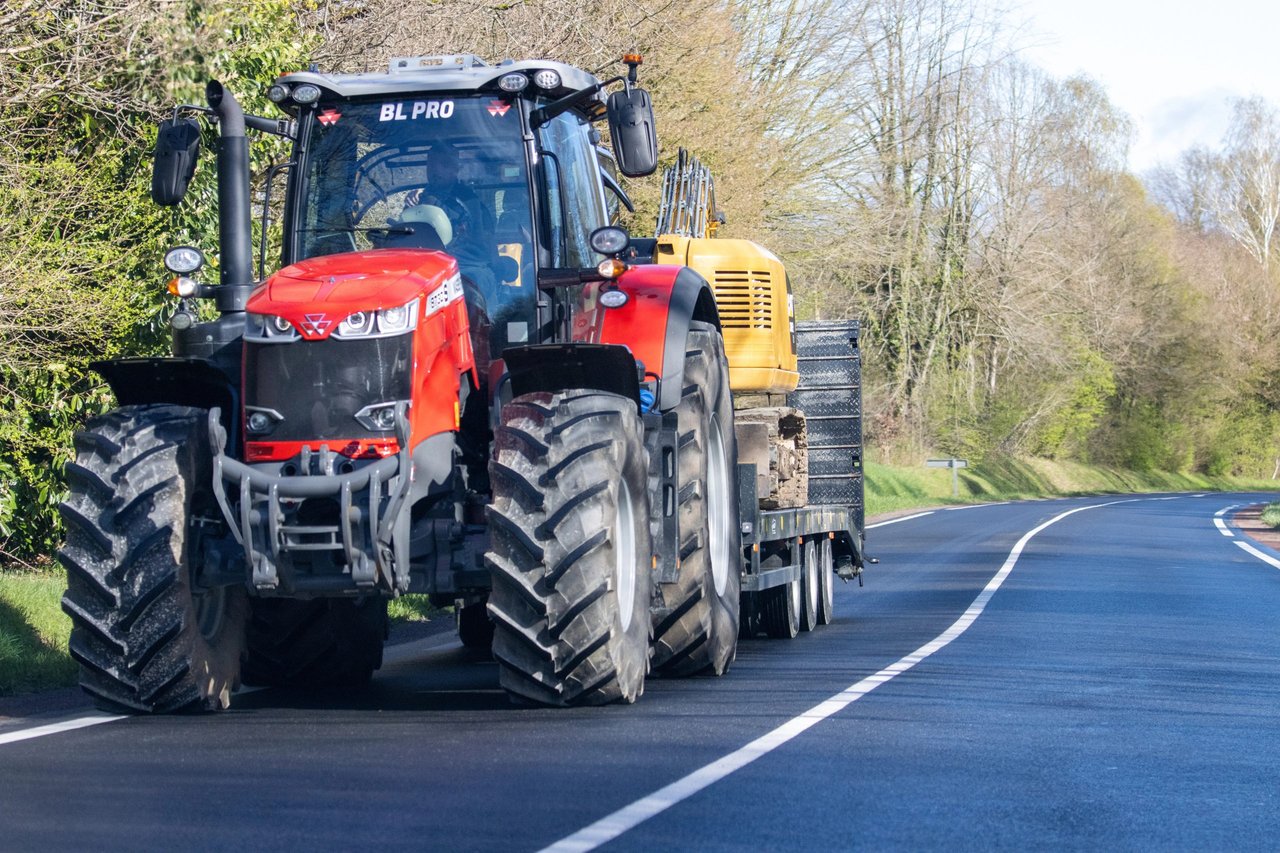
Why it matters: Diesel powers tractors, harvesters, and trucks, meaning higher fuel prices directly affect agricultural production and transportation costs. The announcement comes less than two weeks before the November 3, 2026, midterm elections, adding a political dimension to a program with significant economic implications. While the assistance could ease financial pressure on farmers, its timing has also drawn attention to the administration’s political priorities, particularly in agricultural states such as Iowa and Kansas. The central question is how much relief the program will deliver and whether the timing of the announcement is connected to the approaching elections.
How Will the Harvest Fuel Relief Program Work?
According to the USDA, the payments are intended to address temporary market disruptions and rising production costs. Similar to the Farmer Bridge Assistance program, Harvest Fuel Relief will provide proportional financial support using a uniform formula designed to cover part of farmers’ estimated losses during the 2026 crop year.
The formula will consider planted acreage reported to the Farm Service Agency (FSA), production cost estimates from the USDA’s Economic Research Service, and yields and prices from the World Agricultural Supply and Demand Estimates (WASDE) report. The payments are authorized under the Commodity Credit Corporation (CCC) Charter Act and will be administered by the FSA.
Specialty crop growers, fishermen, and other producers of commodities not covered under Title I are encouraged to submit information about their increased fuel costs to HarvestFuel@usda.gov.
What Trump and Agriculture Secretary Brooke Rollins Said
Speaking alongside Republican Sen. Roger Marshall and Agriculture Secretary Brooke Rollins, Trump promised additional support if Republicans win the upcoming elections. «When Republicans win, we will approve even more funds for our farmers,» he said, according to The Center Square.
Rollins described the program as a way to provide financial certainty during the harvest season. «This $8 billion investment will help provide certainty to our farmers during this harvest so they can continue feeding our nation,» she said.
Diesel Prices Reach Record Highs in the United States
According to the U.S. Energy Information Administration (EIA), the national average price of diesel increased by 9.7 cents in one week and was $2.656 per gallon higher than a year earlier. The previous record of $5.819 per gallon, set in June 2022, was surpassed in September 2026. Pro Farmer identified the war with Iran, which has disrupted supplies of refined petroleum products from the Middle East, and Ukrainian attacks on Russian refineries as factors contributing to higher prices.
The Harvest Fuel Relief program follows other agricultural assistance measures introduced this year. Earlier in 2026, the Farmer Bridge Assistance program distributed $12 billion to more than 560,000 farmers. Approximately two weeks before the latest announcement, producers received nearly $14 billion in gross payments through the Agriculture Risk Coverage (ARC) and Price Loss Coverage (PLC) programs. In September, Trump also signed an executive order temporarily allowing the use of untaxed, red-dyed diesel on public roads without federal penalties under specified conditions. For more information, read our explanation of the federal diesel tax. In October, Trump also negotiated a temporary easing of sanctions on Russian fuels with Vladimir Putin in exchange for 300,000 tons of diesel. Details are available in our report on the diesel agreement with Putin.
Questions Remain About Harvest Fuel Relief Payments
John Newton of the American Farm Bureau Federation said the program’s full impact will become clearer in November, when the USDA releases its payment formulas. He also noted that questions remain about assistance for specialty crop producers, fishermen, and other agricultural sectors facing higher diesel costs.
What Harvest Fuel Relief Means for Farmers and Consumers
If you are a farmer, the amount of assistance you may receive will depend on the crop-specific payment rates scheduled for release in November. Contact your local FSA office to ensure your planted acreage has been accurately reported. Eligible producers can also prepare for the application process by creating a Login.gov account linked to the USDA. Specialty crop growers and fishermen can submit information about their increased fuel costs to HarvestFuel@usda.gov.
If you are not a farmer, higher diesel prices can still affect your household budget. Increased transportation and agricultural production costs may eventually be reflected in food prices at grocery stores.
Sources: USDA, press release of October 19, 2026; EIA, weekly diesel prices; The Center Square; Pro Farmer. Data consulted on October 21, 2026.