Trump Opens Roads to Red Diesel, Delays Federal Tax Until Year’s End


Posted on 10/07/26 at 11:20
The order aims to alleviate costs for farmers and truckers, but the 24.4-cent-per-gallon tax is delayed, not permanently eliminated.
President Donald Trump signed an order that temporarily allows the use of red-dyed diesel on roads and delays certain federal taxes until December 31.
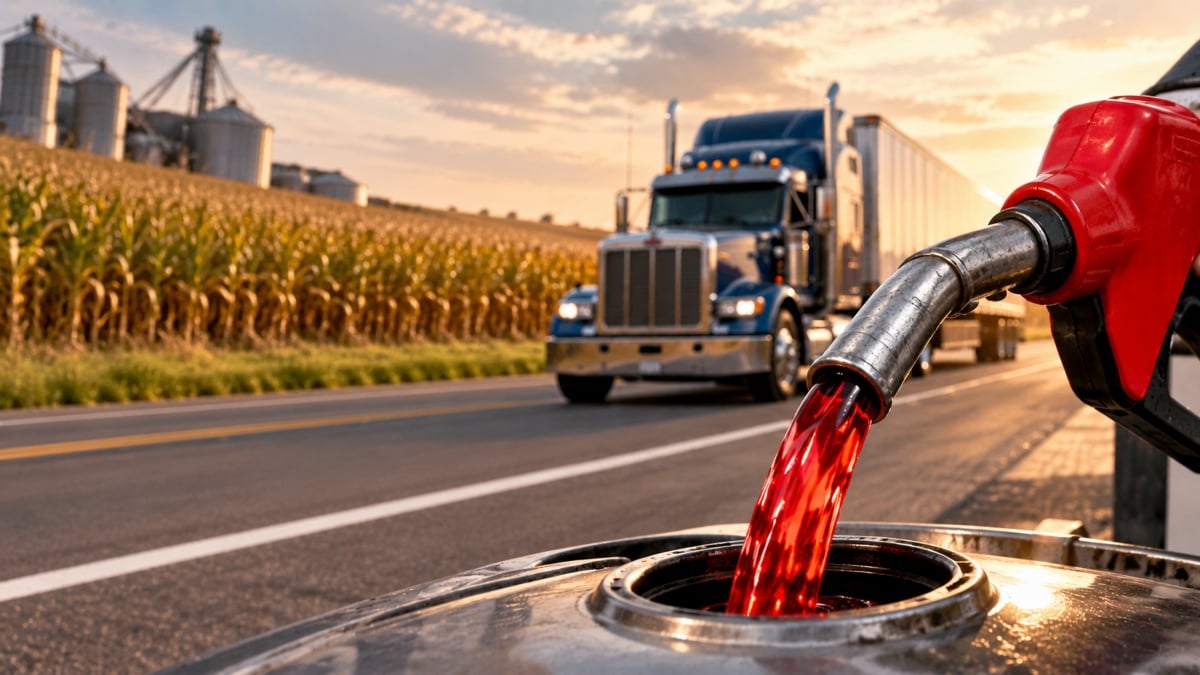
Why it matters: Red diesel is typically reserved for tax-exempt activities off-road. The measure temporarily opens up its use to vehicles on public roads.
Trump Delays Federal Diesel Tax
🚨🇺🇸 | TRUMP LOWERS DIESEL TAXES FOR TRUCKERS AND PRODUCERS: The President signed an executive order that will temporarily allow the use of red diesel on roads — previously reserved for agricultural and off-road use — without immediately paying the federal tax of 24.4 cents per gallon.
The White House estimates that a trucker can save around $60 per 250-gallon load and over $100 if states follow the measure.
“I’m going to do what Biden couldn’t do,” Trump said before signing the order in front of the crowd.
— La Derecha Diario (@laderechadiario) October 6, 2026
Dyed diesel is essentially fuel identified with red dye to distinguish it from taxable diesel normally used on roads.
Its use is primarily associated with agriculture, construction, and other authorized activities off-road, under specific IRS tax rules.
YOU MAY BE INTERESTED: Trump sparks criticism after saying Iran could «destroy» Los Angeles or San Diego
The federal tax on diesel reaches 24.4 cents per gallon, according to the IRS and the White House.
The fact: The White House calculates an immediate savings of $60 on a 250-gallon load and over $100 where states adopt similar measures.
Diesel Tax is Delayed, Not Eliminated
🇺🇸 | Before an enthusiastic crowd, President Trump signs a significant executive order on diesel that will mean $640 MILLION in tax savings for farmers and a $100 savings per fuel fill-up for the average trucker. https://t.co/f84EVBR2Lv
— Claro y Directo (@ClaroyDirecto_) October 6, 2026
The order does not automatically eliminate the tax obligation. The Treasury Secretary must determine, within five days, what relief is permitted under current legislation.
If the Secretary determines that the legal conditions exist, they must delay applicable taxes between October 5 and December 31, without interest or penalties.
The Treasury must also order the IRS to suspend certain penalties related to the sale and use of dyed diesel on roads during that period.
The process: The Government must publish guidelines that identify beneficiaries, covered obligations, conditions, deadlines, and when the delayed amounts must be paid.
States Can Determine How Much Relief Reaches Drivers
The federal measure does not automatically eliminate state taxes or restrictions. Some state governments must make their own decisions to fully extend the relief.
The administration also instructed the Department of Agriculture to coordinate with rural distributors and suppliers to bring dyed diesel to areas with higher demand.
The Department of Transportation must collaborate with states, companies, and unions while maintaining audits, inspections, and other legally required safety obligations.
What they can do: Drivers and farmers must review federal and state rules before loading dyed diesel, as exemptions may vary territorially.
Treasury Must Decide What Happens After December 31
Trump also ordered the exploration of mechanisms, including possible legislation, to avoid charging the delayed amounts after the emergency.
That point will be decisive: without subsequent authorized elimination, the current benefit functions as a tax deferral and not necessarily as a permanent exemption.
The White House attributed the measure to pressure on the global diesel supply and stated that it seeks to reduce costs for farmers and truckers.
The distinction is important for the reader: the order offers immediate relief until December, while the Treasury must clarify who qualifies and what taxes might be charged later.
Sources: Floridas Voice, CNN.