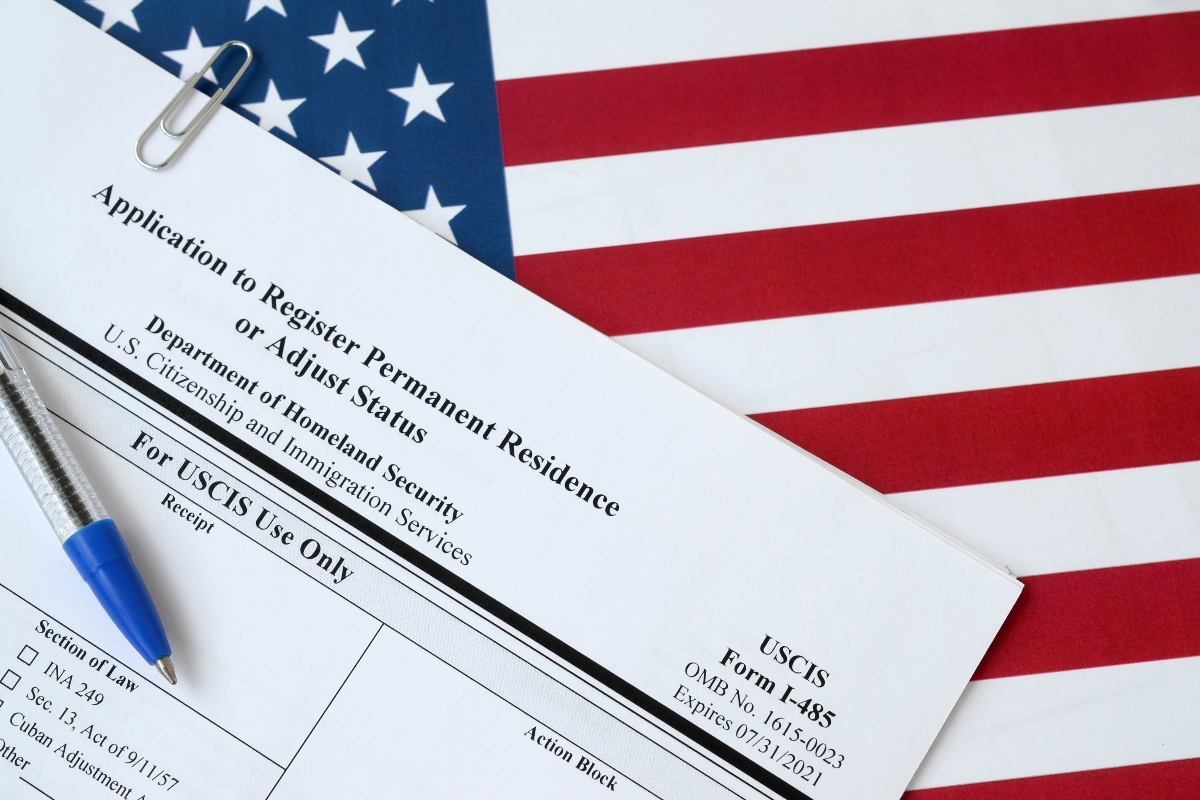
A new "public charge" rule affecting green card applications takes effect, considering broader factors in determining eligibility.
By
Bryan Vargas Martinez
Foto Carga pública: nueva regla cambia solicitudes de green card FOTO: SHUTTERSTOCK
Posted on 09/19/26 at 17:13
More benefits come under review
The rule begins on September 18
States seek to halt the measure
According to Telemundo, starting September 18, 2026, some immigrants seeking permanent residence in the United States will face a broader review to determine whether they could become a «public charge.»
The Administration’s measure eliminates the 2022 regulation and gives immigration officials more discretion to consider public benefits and other factors when evaluating certain cases.
The change does not mean that using government assistance will automatically lead to a green card denial. Instead, immigration officials must review each application individually and consider the applicant’s overall circumstances.
They may look at factors such as the applicant’s age, health, family situation, financial resources, education, and skills. When applicable, officials may also consider a financial sponsorship declaration.
Medicaid, SNAP, and Housing Enter a Broader Evaluation
What is the «public charge» and how can Trump’s rule affect those seeking a ‘green card’.
A key difference is that officials will be able to consider the receipt of public benefits, subject to economic criteria, along with other relevant factors, to determine potential future dependence on the government.
According to El País, this broadens the scope compared to the 2022 policy, which limited evaluation mainly to certain forms of monetary assistance for income maintenance and to long-term institutional care funded by the government.
The new policy affects certain individuals who are legally subject to the public charge criterion, including some family- or employment-based residence applicants; certain migrant categories are exempt under federal legislation.
Additionally, the date matters: the federal rule applies to admission requests and status adjustment applications submitted electronically or by mail from its effective date. States’ Lawsuit Seeks to Block New Immigration Policy
Trump’s «public charge» takes effect
As of today, receiving aid like Medicaid, food stamps, or housing subsidies can affect legal residence applications in the U.S., even if they were requested for family members or citizen children.
</blockquote>The rule’s effective date comes as 22 states, along with the District of Columbia and the governor of Pennsylvania, challenge the policy in a federal court in Manhattan; cities and counties have filed a separate laws
uit.</p>The plaintiffs argue that the measure grants officials excessively broad discretion and could lead to immigrant families abandoning public programs for which they are legally eligi
ble.</p>The Department of Homeland Security argues, in turn, that the previous regulation unduly restricted evaluations and that the new scheme allows for more precise consideration of applicants’ particular circumstan
For those preparing a residence application, the use of benefits should not be interpreted on its own as a disqualification. Since each case may involve different circumstances, it is advisable to review the case and any possible exceptions before abandoning public assistance.
Essential Information for Immigrants
Public charge: new rule changes green card applications FOTO: SHUTTERSTOCK
Immigration officials must review each case under the “totality of the circumstances.” They consider factors established by law, including applicants’ age, health, family situation, assets and financial resources, education, skills, and, when applicable, financial sponsorship. They may also consider certain public benefits subject to economic criteria.
Receiving public assistance alone does not determine the outcome of an application. DHS says officials may consider the type of benefit, the circumstances and length of its use, the amount received, and other factors specific to the applicant’s case.
The new standard does not automatically apply to benefits that were previously excluded and received before September 18. For those benefits, the government says it will continue to follow the criteria established under the 2022 rule. The broader review applies to benefits requested or received after the new policy took effect.
The public charge rule also does not apply to every immigration category or circumstance. Families should therefore avoid assuming that the policy affects every member or immigration process in the same way.
Before stopping Medicaid, SNAP, housing assistance, or another benefit out of concern about its immigration consequences, applicants should first determine whether the public charge rule applies to them and how the benefit could be considered in their specific case.
People preparing Form I-485 should check which version USCIS currently accepts and review the latest instructions. The agency announced implementation changes for applications submitted beginning September 18.
Because the assessment depends on the applicant’s circumstances, people with questions about public benefits, financial sponsorship, income, or a green card application may want to consult an immigration attorney or accredited representative before making decisions that could affect their family.