ICE Resumes Vehicle Stops Under Trump Order: Body Cameras to be Mandatory


Posted on 10/17/26 at 12:50
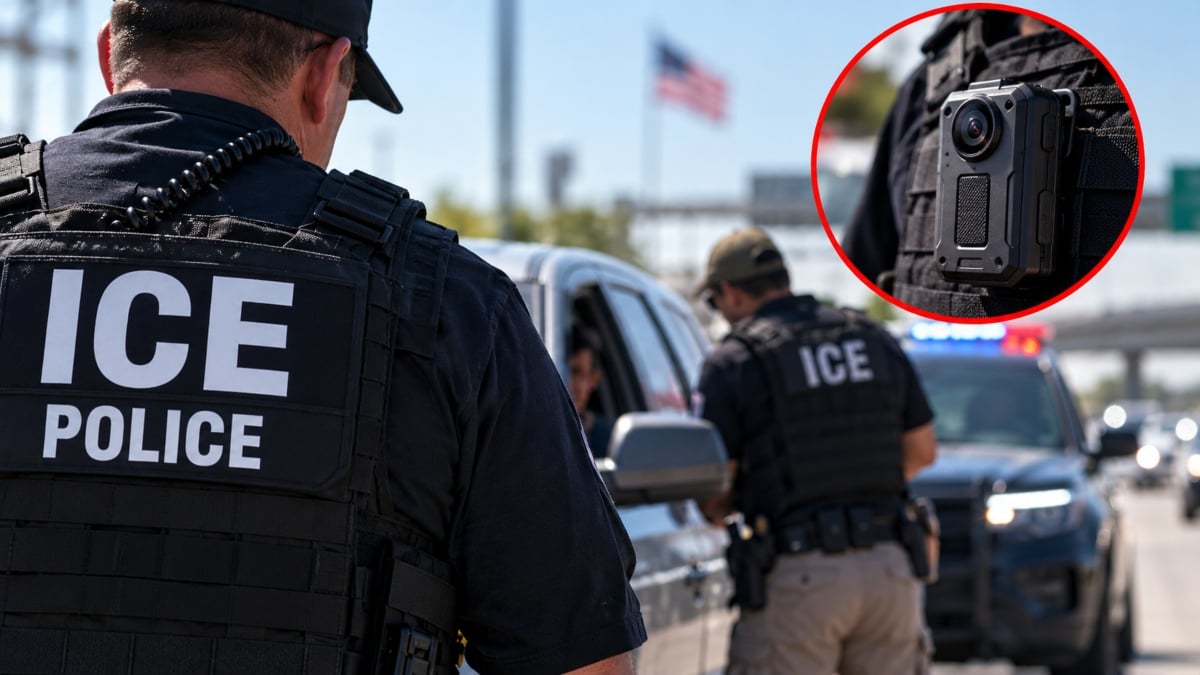
The U.S. Immigration and Customs Enforcement (ICE) has resumed vehicle stops in the United States, following a decision by President Donald Trump.
Border czar Tom Homan confirmed the return of these operations and announced new measures to document the interventions of immigration agents.
The decision reverses a suspension applied by the Department of Homeland Security (DHS), which had temporarily limited these actions on the roads.
The change occurs after two fatal operations in Texas and Maine, where the agents involved were not wearing body cameras.
Trump Reactivates ICE Vehicle Stops in the United States
🚨 FAFO in real time.
ICE agent + Utah Highway Patrol pull over a vehicle on I-15 near Ogden for speeding. Driver has no valid license. Agent orders the window down. Driver smirks and says “You can’t break this window.”
Agent: “You have one minute.”
Driver still refuses.
Agent smashes the window exactly as warned and takes him into custody.
Non-compliance has consequences. ICE is enforcing the law. Play stupid games, win broken windows.
🇺🇸 #MAGA #ICE— Silencer Media (@TheSilencer345) October 17, 2026
According to CBS News, Homeland Security Secretary Markwayne Mullin had suspended vehicle stops while security procedures were being reviewed.
However, Trump ordered the operations to resume, a decision that Homan confirmed during an interview with Fox News.
YOU MAY BE INTERESTED: USCIS Increases Immigration Fees: These Are the New Costs of Work Permits and TPS
The new provision requires each team responsible for making arrests to include at least one agent equipped with a body camera.
The announced goal is to record interventions and strengthen supervision of procedures, although not all officers will necessarily have these devices.
ICE Allocates Over $120 Million to Body Cameras
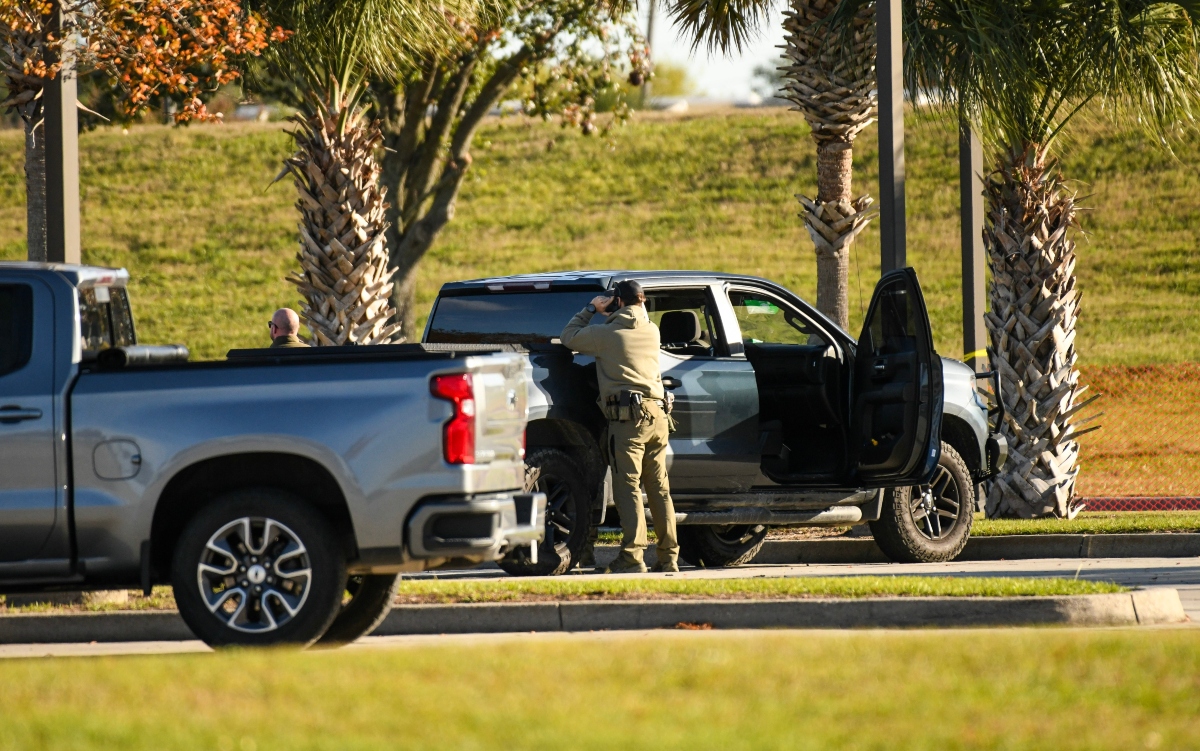
The technology program exceeds $120 million and includes distributing equipment among the agency’s regional offices.
According to CBS News, more than half of the field offices already have cameras for their operations.
The DHS expects to complete the distribution in the remaining facilities within the next 60 days, according to the schedule communicated by the authorities.
Before expanding the program, ICE tested 1,600 devices in Baltimore, Philadelphia, Detroit, Buffalo, and Washington, as part of its initial implementation.
Deaths During Immigration Operations Increase Questions
On July 7, an ICE agent killed Lorenzo Salgado Araujo, a Mexican immigrant who had been living in the United States for decades, in Houston.
Days later, another officer killed a Colombian citizen during an intervention in Biddeford, Maine.
According to CBS News, neither of the agents involved was wearing a body camera, and the victims were not the original targets of those operations.
Ronald Salgado, the son of the deceased Mexican man, publicly questioned the circumstances of the intervention during an interview with The New York Times.
What Changes for Drivers with ICE Operations?
Homan explained on the program Face the Nation that the devices had already been acquired and that instructor training would begin.
The cameras will allow for audiovisual records to be generated, although their presence does not alone determine whether a detention meets legal requirements.
Immigration stops remain subject to constitutional limits, and their circumstances can be examined by courts when there are controversies.
For immigrant families, the announcement represents a relevant operational change and reinforces the importance of knowing their rights during encounters with authorities.
The Keys to the New ICE Vehicle Stops
– Why it matters: Vehicle interventions are once again part of immigration operations and can affect drivers and passengers.
– The fact: The body camera program exceeds $120 million and includes extending its distribution to all field offices.
– The process: Each arrest team must include at least one agent equipped with a body camera during interventions.
– What you can do: Drivers can inform themselves about their constitutional rights, avoid confrontations, and seek individual legal guidance when necessary.