Lula Reelected in Brazil: Trump Remains Silent After Flávio Bolsonaro’s Defeat


Posted on 10/26/26 at 12:15
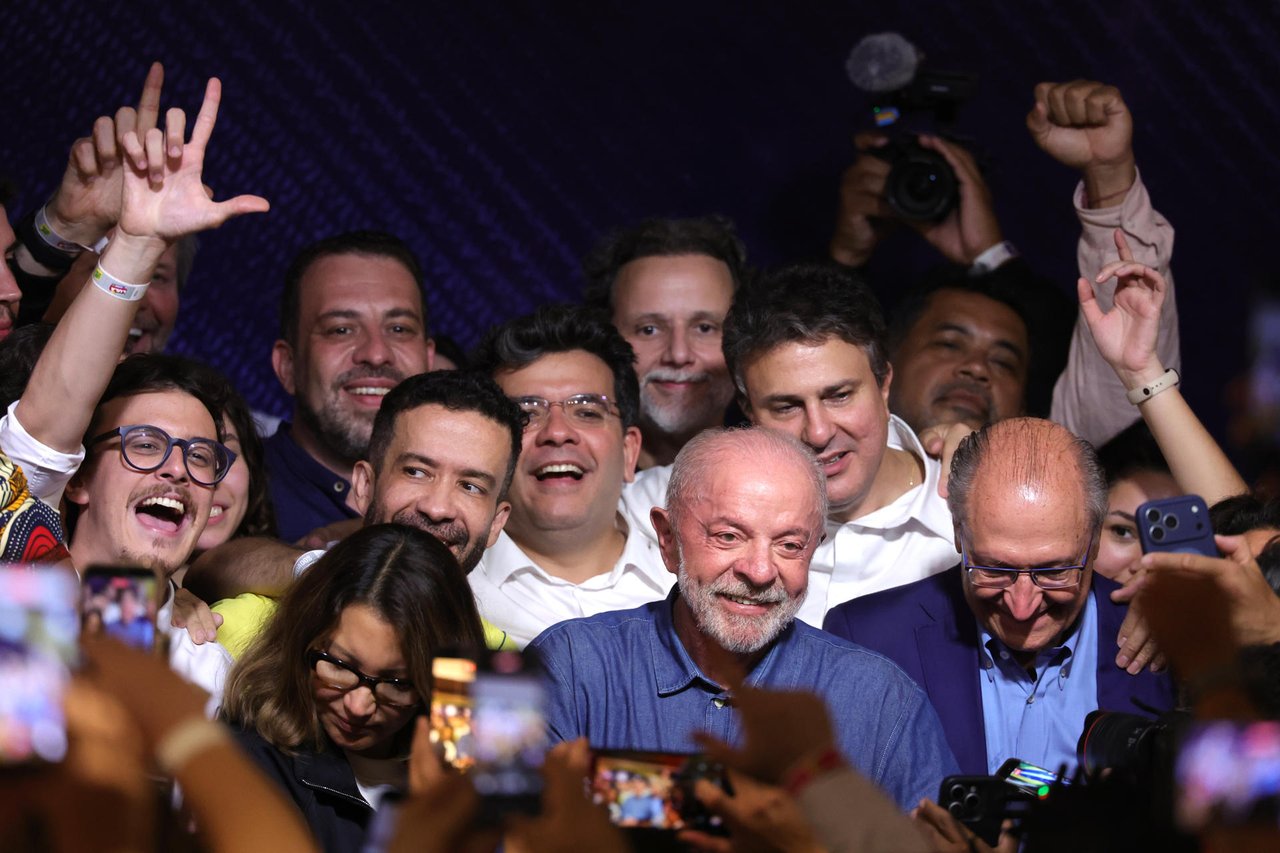
The reelection of Lula in Brazil was confirmed on Sunday, October 25, 2026, when Luiz Inácio Lula da Silva won the runoff with 51.79% of the valid votes against 48.21% for Senator Flávio Bolsonaro, according to the Superior Electoral Court (TSE), via G1. As of Monday morning, October 26, U.S. President Donald Trump had not publicly commented on the result, according to EFE, BBC News Brasil, and O Globo.
- Lula obtained 64,256,232 votes against 59,826,041 for Flávio Bolsonaro, with 100% of the sections counted.
- Flávio Bolsonaro has refused to recognize the results, according to EFE.
- Trump, who celebrated Flávio’s performance in the first round as a «very, very big victory,» had not commented on the defeat as of Monday morning, according to EFE and BBC News Brasil.
Why it matters: Brazil is the largest economy in Latin America, and its relationship with Washington includes tariffs and an open trade investigation by the Trump administration. Additionally, a large Brazilian community lives in the U.S., for whom the direction of this relationship has direct effects. The result also comes just over a week before the U.S. midterm elections on November 3.
How Lula Won
The TSE announced the result at 9:08 p.m. Brazilian time, according to O Globo. The abstention rate was 19.22%, according to the Brazilian Chamber of Deputies.
| Candidate | Votes | % of valid votes |
|---|---|---|
| Luiz Inácio Lula da Silva | 64,256,232 | 51.79% |
| Flávio Bolsonaro | 59,826,041 | 48.21% |
According to EFE, this is the first time since the end of the military dictatorship (1964-1985) that the candidate who came in second in the first round won the second round. On October 4, Flávio obtained 47.03% and Lula 45.16%, according to the Brazilian Chamber of Deputies.
By state, Lula won in 13, including the nine in the Northeast and Minas Gerais (50.43% to 49.57%). Flávio won in the other 13, including São Paulo and Rio de Janeiro, and in the Federal District, according to G1.
Lula will turn 81 on Tuesday, October 27, and will be the first Brazilian president elected four times by popular vote, according to O Globo. He will govern until 2030, according to Primicias.
Trump’s Silence
Before the result was known on Sunday, Trump told reporters: «We are following the situation,» according to EFE. He had celebrated Flávio’s result in the first round as a «very, very big victory»; you can read what Trump said after the first round here.
Trump received Flávio at the White House in May, along with his brother Eduardo. He has also called the process against Jair Bolsonaro, who is under house arrest after being convicted of attempting a coup, a «witch hunt,» according to EFE.
Other leaders did react. Right-wing leaders José Antonio Kast (Chile), Keiko Fujimori (Peru), and Santiago Peña (Paraguay) congratulated Lula, as did Canadian Prime Minister Mark Carney, according to RFI via UOL. Javier Milei (Argentina), who supported Flávio, had also not commented, according to O Globo.
In the U.S., Senator Bernie Sanders called Lula’s victory «extraordinary»: «Lula has defended Brazilian workers and democracy, and will continue to do so for the next four years,» according to EFE.
What it Means for Trump’s Strategy in the Region
In an analysis for EFE, journalist Eduard Ribas i Admetlla points out that the reelection is a setback for Trump’s plan to consolidate his influence in Latin America. This plan was based on the right-wing turns in Honduras (Nasry Asfura), Bolivia (Rodrigo Paz), Chile (Kast), Peru (Fujimori), and Colombia (Abelardo de la Espriella), which add to Milei, Nayib Bukele, and Daniel Noboa.
The axis of this regional policy is the Shield of the Americas, an anti-narcotics alliance that Flávio had promised to join. According to the analysis, Lula remains, along with Mexican President Claudia Sheinbaum, the main counterweight.
According to EFE, Trump did not explicitly support Flávio, unlike in Colombia, where he backed De la Espriella. However, his administration imposed high tariffs on Brazil in 2025 due to the trial of Jair Bolsonaro, sanctioned Brazilian judges, designated the PCC and Comando Vermelho as terrorists days after receiving Flávio, and opened a trade investigation against Brazil. It also revoked the visa of the Brazilian ambassador and suspended consular services two days before the first round. Lula’s campaign denounced interference.
In his victory speech, Lula stated that in Brazil «we do not accept being anyone’s backyard,» according to EFE.
Benjamin Gedan, from the Stimson Center, told EFE that a Flávio victory would have meant «100% alignment with Trump in his cultural battle and security policy.» According to Gedan, Trump was «clearly enthusiastic about this possibility,» but explicit support could have «hurt» the candidate.
Oliver Stuenkel, from Carnegie, told EFE: «The kind of ideological interventionism that the Trump administration is carrying out in the region is counterproductive. In the medium and long term, it will strengthen anti-American forces.»
What’s Next
Two issues remain open: whether Trump recognizes the result and whether Flávio Bolsonaro accepts it. In his victory speech, Lula said he has two months ahead to prepare the new government, according to the transcript published by UOL.
For readers with family or business in Brazil, it is advisable to follow updates on tariffs, the trade investigation, and consular services, which depend on the relationship between the two governments.
Sources: EFE, via Swissinfo (analysis); EFE, via Swissinfo (Trump’s reaction); G1 (TSE results); Brazilian Chamber of Deputies; O Globo; RFI, via UOL; BBC News Brasil; UOL, full text of Lula’s speech; Primicias. Data consulted on October 26, 2026.
Main photo: EFE