New Visa Proposal Could Force Workers to Leave the US After Job Loss


Posted on 09/13/26 at 13:01
The Department of Homeland Security (DHS) has proposed an immigration change that could have significant consequences for thousands of foreign workers who lose their jobs in the United States.
The proposal seeks to eliminate the discretionary 60-day period that currently allows certain work visa holders to remain in the country legally after their employment ends. This time can be used to find a new sponsor or explore other immigration options.
The project was published in the Federal Register under the title “Eliminating the Discretionary 60-Day Grace Period.”
DHS argues that the goal is to more directly link these individuals’ immigration status to the employment or activity that originally allowed them to remain in the United States.
Which Visas Would Be Affected?
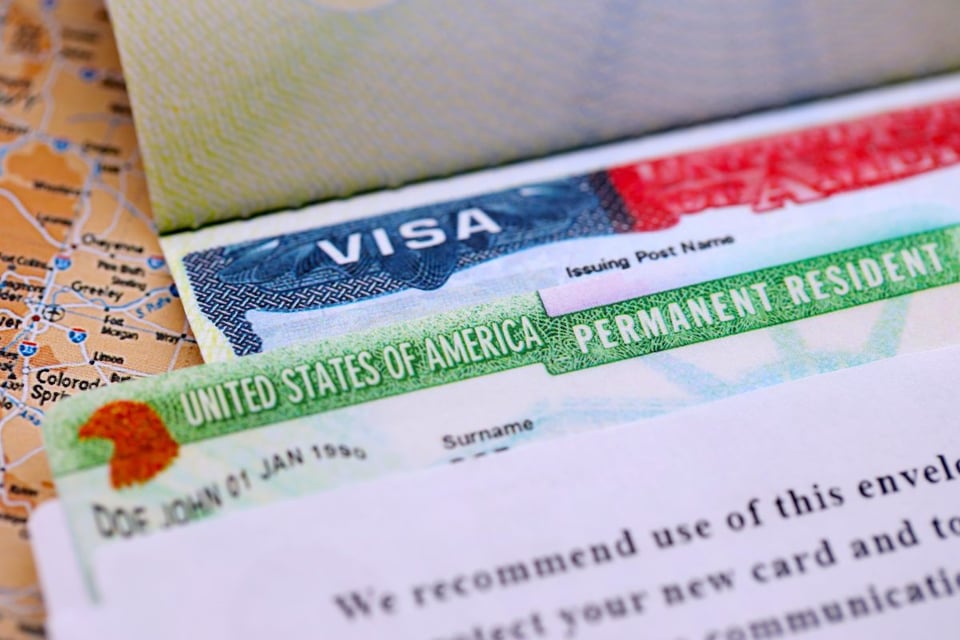
The proposal includes workers under H-1B, H-1B1, L-1, O-1, TN, E-1, E-2, and E-3 categories, as well as certain dependent family members.
However, there is a fundamental clarification: the change is not yet in effect.
This is a proposed rule; therefore, the announcement does not mean that foreign workers who have lost their jobs must leave the United States immediately.
Thousands Currently Use the Grace Period
DHS’s own economic analysis provides an estimate of the measure’s potential impact.
The agency estimates that about 3,795 affected workers receive a new labor petition from another employer each year during the current grace period. Most of these workers are in the H-1B category.
According to DHS estimates, approximately 3,765 cases, equivalent to 99.2% of the total analyzed, belong to this category.
Another notable fact is the salary level of these workers. DHS determined that the average annual salary of the H-1B employees included in this group was approximately $131,000 in 2025.
What Would Happen if You Lose Your Job?
Currently, the provision 8 CFR 214.1(l)(2) provides for a discretionary period of up to 60 days for certain workers after their employment ends.
The DHS proposal would eliminate this provision.
If approved under the proposed terms, a worker would have to leave the United States when they cease to maintain the employment or activity that supports their immigration classification, unless they have another legal authorization allowing them to remain in the country.
This could have a particularly significant impact on H-1B workers, as it would substantially reduce the available margin for finding a new employer willing to sponsor them without leaving the United States.
DHS Acknowledges Possible Economic Losses
The agency itself acknowledges that eliminating the grace period could generate additional costs for some workers.
These include potential income losses while the person remains outside the United States seeking another job, as well as expenses related to plane tickets, transportation, early cancellation of housing contracts, and other obligations arising from an earlier-than-expected departure from the country.
It could also imply that some workers have to seek a new job abroad and then return to the United States once they obtain the necessary authorization.
The Proposal Can Still Change
The process has not yet concluded.
DHS will accept public comments on the proposal until November 10, 2026, before proceeding with a potential final rule.
This means that the 60-day grace period remains in effect for now, and the proposal could be modified before the government makes a final decision.
YOU MAY BE INTERESTED IN: Mexican flag interrupts JD Vance’s speech and provokes explosive reaction