White House Denies ICE Patrols at Voting Centers, But Doesn’t Rule Out Interventions


Posted on 10/03/26 at 23:48
- The government rules out widespread election patrols.
- Federal law limits armed deployments.
- Latin organizations prepare for election assistance.
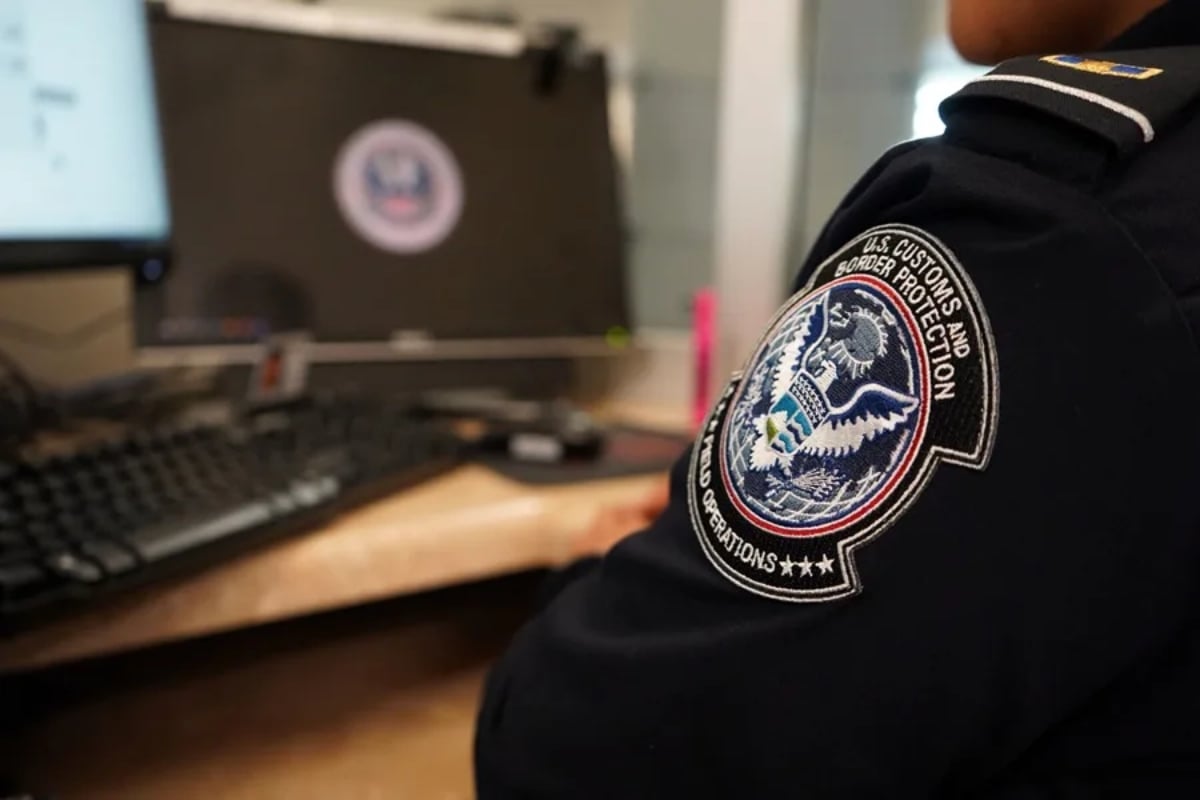
The Department of National Security asserts that ICE is not preparing operations targeting voting centers for the November legislative elections.
However, this stance does not rule out all intervention: the government contemplates actions in response to specific threats, a caveat that keeps civil organizations uneasy.
The difference matters to voters: denying widespread patrols does not guarantee that no immigration agent will go to a polling place.
With early voting underway in some states, the debate combines security, legal limits, and the fear of decreased participation.
Mullin Contemplates Interventions in Response to Threats or Court Orders
#MUNDO 🌐🚨 White House says it won’t send ICE agents to voting centers, but activists are preparinghttps://t.co/1Nr9lukOPI
— Noticiero Digital (@NDtitulares) October 2, 2026
Secretary Markwayne Mullin called Democratic concerns «alarmism,» although he mentioned possible interventions to respond to threats or execute court orders.
The statement sent by his department to Associated Press also contemplates arrests derived from selective actions in response to an active threat to public safety.
These statements describe hypothetical scenarios; they do not constitute an announcement of national deployment nor identify centers where an operation has been scheduled.
For election authorities, the issue is how to ensure that any incident does not interrupt citizens’ access to the polls.
What the Law Says About Armed Agents in Elections
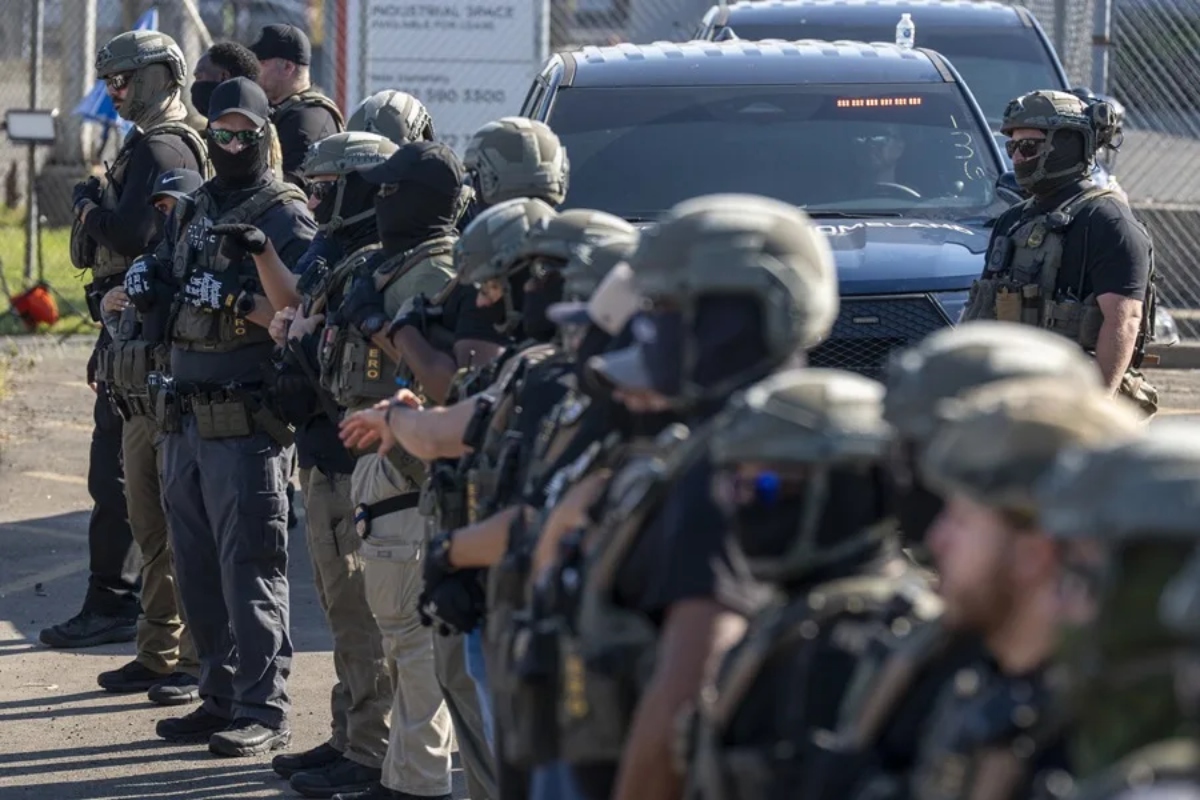
Section 592 of Title 18 of the US Code prohibits federal officials from deploying troops or armed personnel where elections are held.
The text contemplates an exception to repel armed enemies of the United States, without establishing a general authorization for routine immigration control tasks.
Additionally, other federal provisions prohibit intimidating, threatening, or coercing a person to interfere with their right to vote.
The Brennan Center argues that these protections allow going to court to stop actions that intimidate the electorate or disrupt voting.
Latin Organizations Prepare Amid Fear of ICE
🇺🇸🪖🗳 US Government denies deploying ICE agents to voting centers
📆 US National Security Department officials affirm that Washington does not plan to send Immigration and Customs Enforcement (ICE) members to these… pic.twitter.com/FEczvoi2CC
— @REDSOCIALTV (@REDSOCIALTV1) October 3, 2026
Juan Proaño, leader of LULAC, warns that the presence of agents at a single polling place could discourage voters from other communities.
His concern includes Latino citizens who may feel intimidated by immigration activity, even though they have the right to participate in elections.
The VoteSafe initiative seeks to engage trusted community leaders to address these concerns and provide voters with information.
YOU MAY BE INTERESTED: Judge puts Trump against the clock: must defend controversial limit on student and journalist visas
The preparation of these organizations aims to protect participation; it does not demonstrate an order to deploy agents at voting centers.
What Voters Can Do in Case of Possible Intimidation
Before voting, it is advisable to verify registration, polling place location, and identification requirements with the corresponding election office.
If an incident occurs, the voter can inform the polling place staff and request assistance in exercising their right without interruption.
The Electoral Protection line offers attention in Spanish at 1-888-839-8682, also identified as 888-VE-Y-VOTA.
Before sharing alerts on social media, it is essential to confirm what happened and distinguish federal agents from local police or election personnel.
SOURCE: eluniversal, unotv