Venezuelan TPS Holders Face Key Date: What USCIS Says About Path to Green Card


Posted on09/23/26 at 17:00
- TPS does not guarantee a path to a Green Card
- A Green Card requires independent eligibility
- Each case requires individual review
Venezuelans protected by Temporary Protected Status (TPS) should understand a fundamental distinction: having this humanitarian protection does not automatically create a path to permanent residence, according to USCIS rules.
According to lanacion, this means that having lived and worked legally under TPS for years is not, by itself, enough to obtain a Green Card. Those seeking permanent residence must independently qualify under an immigration category available under U.S. law.
The possibilities depend on each person’s circumstances. Existing routes may include certain family petitions, employment-based categories, and options connected to asylum, refugee status, or other humanitarian programs, provided the applicant meets all applicable requirements.
Therefore, two Venezuelans who have held TPS for the same period may face very different circumstances. How they entered the United States, their immigration history, family ties, existing petitions, and other factors can affect whether they are eligible to adjust status.
Paths That Can Lead to a Green Card

One of the best-known routes is family-based immigration. Spouses, certain children, and parents of U.S. citizens may fall within categories that allow them to seek permanent residence, while other relatives are subject to preference categories and visa availability.
There are also employment-based categories, ranging from workers who meet specific professional requirements to qualifying investors. Under the EB-5 program, for example, USCIS establishes requirements involving investment in a commercial enterprise and the creation or preservation of jobs.
Another route may apply to people who were granted asylum or admitted as refugees and later meet the legal requirements for permanent residence. Specific protections also exist for certain victims of crime, human trafficking, and other circumstances covered by immigration law.
HAVING a potentially available category does not guarantee approval. USCIS must determine whether the person qualifies under that route and is eligible to adjust status; factors such as inspection and admission or parole, grounds of inadmissibility, and immigration history can be decisive.
What Happens When TPS Protection Ends
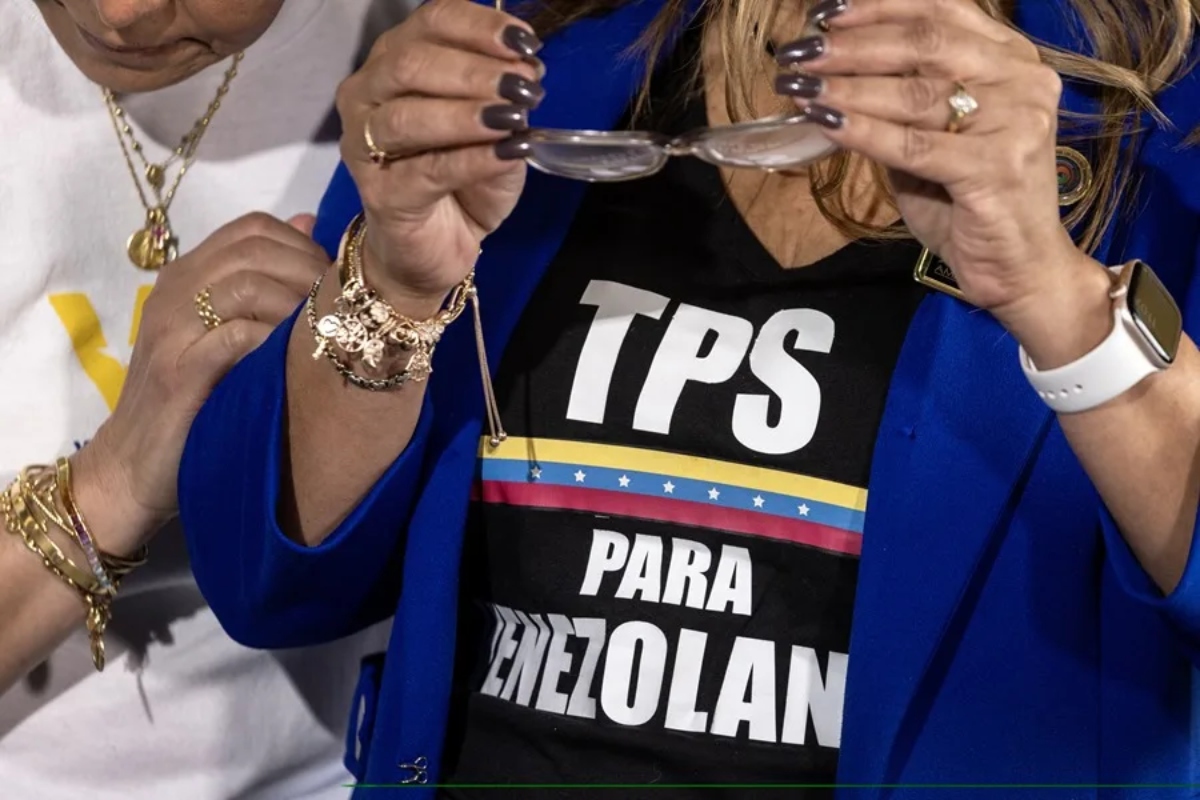
TPS allows eligible beneficiaries to remain temporarily in the United States, receive protection from removal while the benefit is valid, and obtain work authorization, but it remains temporary and is not equivalent to permanent residence.
When TPS ends, USCIS explains that beneficiaries generally return to the immigration status they held before receiving TPS, if that status remains valid, or retain another valid status they obtained while protected.
Those who did not have another lawful immigration status before TPS and did not obtain one later may again lack lawful status after TPS ends. For that reason, not all Venezuelan beneficiaries will face the same consequences.
YOU MAY BE INTERESTED: Florida ICE Facility Accused of Holding 342 Detainees in Space for 56
The Venezuelan TPS situation has also been shaped by administrative decisions and litigation involving the 2021 and 2023 designations. Although a 2025 extension had originally contemplated protection through October 2, 2026, later government actions and court rulings changed which beneficiaries remain covered by that date.
What Venezuelans Should Review Before October 2
Beneficiaries should first determine which Venezuela TPS designation applied to them and review the expiration dates and issue dates shown on their TPS-related documents. Not every Venezuelan TPS beneficiary currently has protection that remains valid through October 2, 2026.
It is also important to determine whether there is another independent immigration basis available: a family petition, employment case, asylum, or another form of humanitarian protection could change the person’s individual situation. USCIS also provides tools to check the status of pending applications.
Those who already have an immigration case should review their receipt number, official notices, and case status. Processing times vary by form and office, and USCIS provides a separate tool for checking those estimates.
Because October 2 may affect the documents of certain Venezuelan beneficiaries, obtaining individualized advice from a qualified immigration attorney or DOJ-accredited representative may be especially important. Eligibility for permanent residence depends on each person’s circumstances and legal basis, not on TPS itself.