Trump Seeks to Eliminate Biden’s Methane Rules: Will Gas Prices Drop?


Posted on 10/28/26 at 09:00
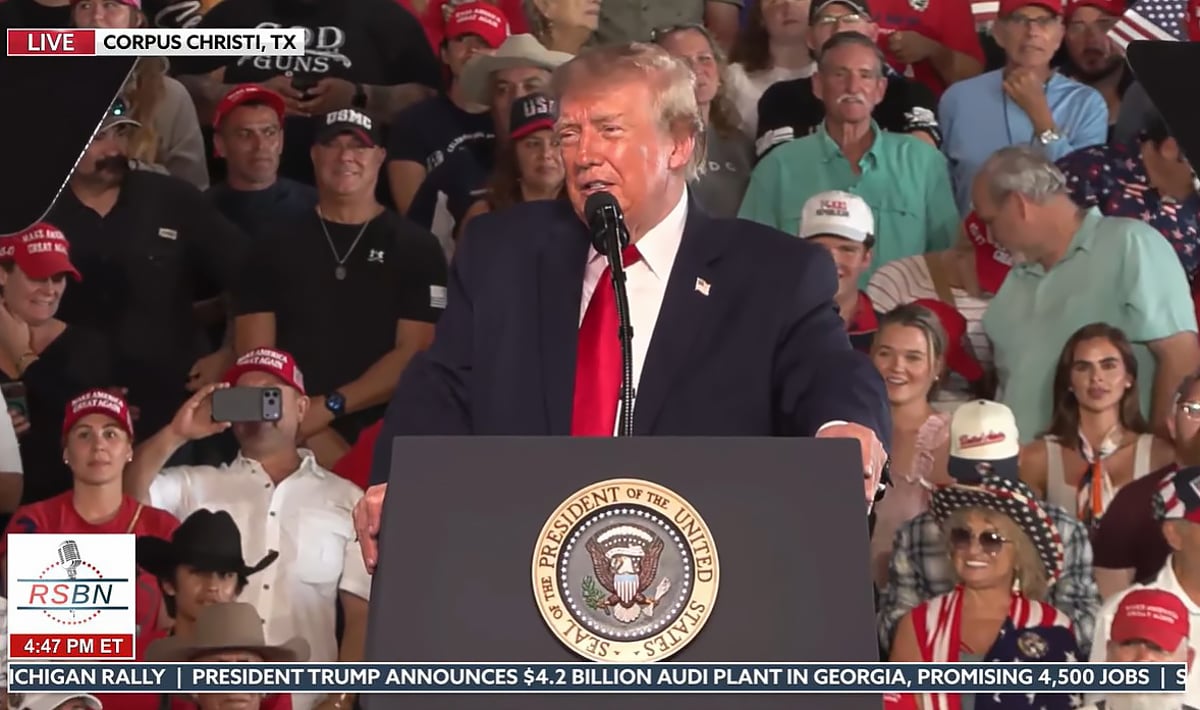
President Donald Trump announced on Tuesday, October 27, that he will seek to eliminate methane emission regulations established during the Biden administration, promising to reduce energy costs in the United States. During a rally in Lubbock, Texas, the president assured that the measure would generate savings of $45 billion and allow for increased national oil and gas production.
The announcement comes a week before the November 3 legislative elections, when fuel costs are a major concern for Americans' economic worries. However, eliminating methane restrictions does not guarantee an immediate reduction in gas prices, as this also depends on the international oil market, refining, and distribution.
Trump Eliminates Methane Regulations: Will Gas Prices Drop?
President Trump announces plans to relax rules on methane: «Tonight I’m officially terminating Biden’s expensive and unnecessary methane regulations to save consumers and energy producers.» https://t.co/fU37WQYP6D
— CSPAN (@cspan) October 28, 2026
The rules approved during the Biden administration in 2024 established controls to identify and repair methane leaks in facilities dedicated to oil and gas extraction and processing. These provisions also required periodic inspections of equipment and greater controls over existing wells, including those with reduced production levels.
YOU MAY BE INTERESTED: US Federal Election Commission Suffers System Failure a Week Before Elections
Trump's proposal involves relaxing these obligations and modifying restrictions on routine gas burning, a practice used in certain oil operations. Another expected change affects the Super Emitter program of the Environmental Protection Agency (EPA), designed to facilitate the detection of exceptionally high emissions through information provided by third parties.
Trump Promises to Save $45 Billion with Fewer Restrictions
Trump announces rollback of methane regulations for oil and gas producers. https://t.co/toTlah2jug
— Jordan Boyd (@jordanboydtx) October 28, 2026
The figures announced by Trump:
The fact: Trump calculates savings of $45 billion and an additional production of 210 million barrels of oil.
Why it matters: Reducing controls could decrease operating expenses but also increase the risk of contaminating leaks.
The process: The EPA would have to implement the corresponding regulatory changes; the presidential announcement does not mean that the rules have been automatically eliminated.
What consumers can do: Consumers can check local gas prices and follow official EPA publications to find out when the changes would take effect.
The government presents this initiative as part of its strategy to boost fossil fuel extraction and reduce regulatory obstacles for energy companies. The proposal also emerges amid pressures on oil prices related to the war in Iran, a conflict that has increased uncertainty about international supply.
What Consequences Would Eliminating Methane Controls Have?
Methane is a potent greenhouse gas that contributes to global warming and can escape during the extraction, storage, and transportation of fossil fuels. Some representatives of the oil industry consider that regulatory requirements increase operating costs, especially for companies that manage small or low-production wells.
In contrast, environmental organizations warn that reducing inspections could hinder the detection of leaks and increase polluting emissions near energy facilities. The controversy pits two objectives against each other: reducing production costs and maintaining environmental controls aimed at limiting industry emissions.
Sources: Efe, ABC.