Trump Predicts «Depression» if Democrats Win: What History Tells Us



Posted on 09/18/26 at 18:40
Trump warned this week that a Democratic victory in Congress would sink the economy. The precedent from 2021-2022 shows inflation and high deficits, but also growth and employment.
President Donald Trump claimed during a political event in North Carolina that the United States would enter a «massive depression» if Democrats regain control of Congress.
Why it matters: The warning puts the economy at the center of the election debate, but recent precedent allows for separating documented risks from a prediction that did not occur under the last Democratic government.
Biden Had a Democratic Congress and the Economy Kept Growing
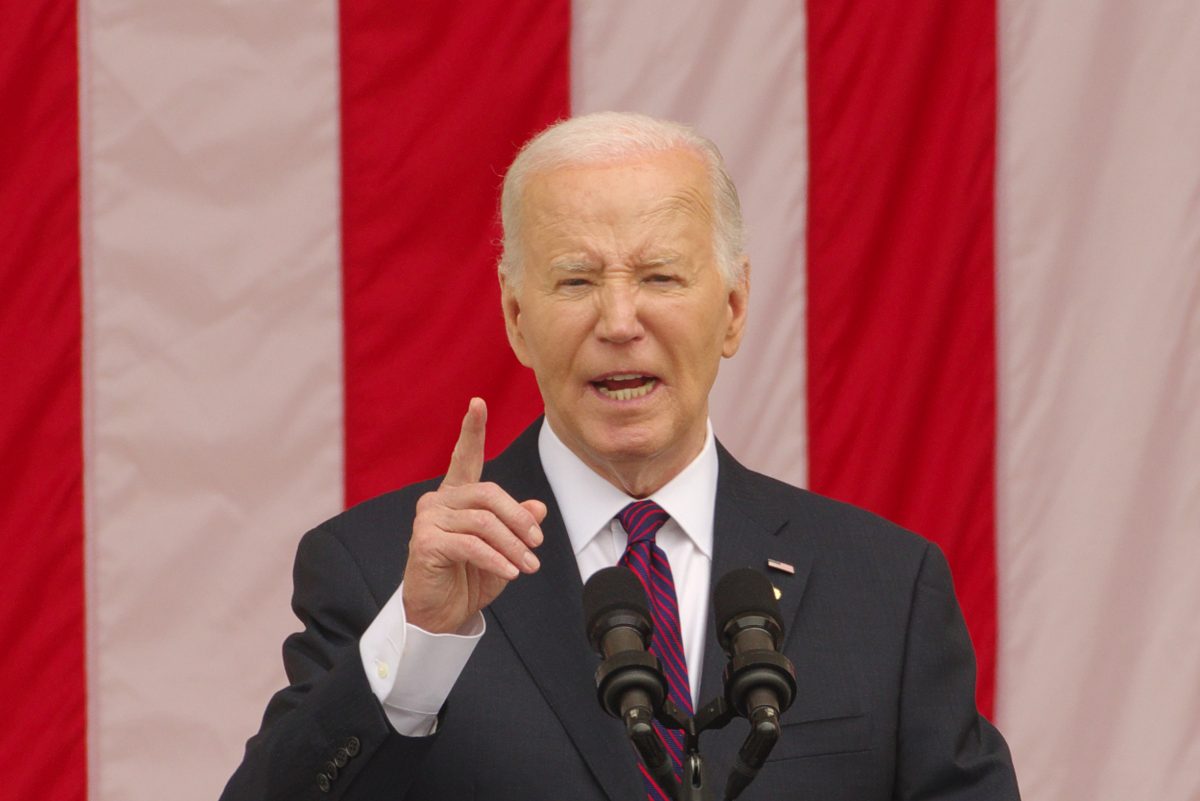
The closest precedent is from 2021 and 2022, when Joe Biden was in the White House and Democrats controlled both chambers of Congress.
That period was marked by the recovery from the COVID-19 crisis and strong fiscal stimuli approved for households and businesses.
- The fact: Real GDP grew 5.9% in 2021 and 2.1% in 2022, according to the Bureau of Economic Analysis.
The labor market also improved. Unemployment fell from 6.4% in January 2021 to 3.5% in December 2022, according to revised figures from the Department of Labor.
These indicators do not describe an economic depression, a term associated with an exceptionally deep and prolonged contraction of activity.
Inflation Did Hit Households Hard
The most vulnerable point in the economic balance of those years was inflation, especially visible in food, gasoline, housing, and other everyday expenses.
In June 2022, the Consumer Price Index reached an annual rate of 9.1%, its highest level in that inflationary cycle.
- The difference: Inflation had multiple causes, including global supply problems, changes in consumption during the pandemic, and strong fiscal stimuli.
A study by the Federal Reserve Bank of San Francisco estimated that US fiscal support could have raised inflation by around three percentage points by the end of 2021.
This does not mean that all inflation can be attributed to Biden or the Democrats. The Federal Reserve itself also identified imbalances between supply and demand related to the pandemic and reopening.
Deficit and Debt Show Another Documented Risk
Public accounts also came under pressure. The federal deficit reached approximately $2.8 trillion in fiscal year 2021, equivalent to 12.4% of GDP.
In 2022, it fell to around $1.4 trillion, or 5.5% of GDP, still above the 4.6% recorded in 2019, before the pandemic.
- The context: The Congressional Budget Office attributed the huge deficits of 2020 and 2021 to both the economic impact of COVID-19 and the laws passed to respond to the emergency.
Persistent high debt can increase interest costs and limit future fiscal margin, a risk that the CBO has pointed out in its long-term projections.
Winning Congress in 2026 Would Not Mean Controlling Washington
There is also a fundamental difference between that period and the scenario now presented by Trump.
In 2021, Democrats had the Presidency, the House of Representatives, and the Senate. That constitutes a unified government.
If Democrats were to obtain one or both chambers in the 2026 midterm elections, Trump would still occupy the White House.
- The limit: Congress can pass legislation and control spending, but a divided government requires negotiating with the president and allows for presidential vetoes, subject to possible override by qualified majorities.
The experience of 2021-2022 supports warnings about inflation, deficits, and debt as real economic problems of that period.
However, it also recorded economic growth and a strong decline in unemployment.
Therefore, those precedents alone do not demonstrate that a Democratic majority in Congress would cause a «massive depression,» as Trump predicted.
You May Be Interested In: Trump Considers «Annihilating» the Iranian Regime as Oil and Elections Increase Pressure
SOURCE: IN / NBC News