Trump Policy Reaches Supreme Court, Puts Cubans on Alert


Posted on 10/02/26 at 20:56
- Supreme Court to review mandatory detention.
- Cubans face different migration categories.
- Hearing does not guarantee automatic release.
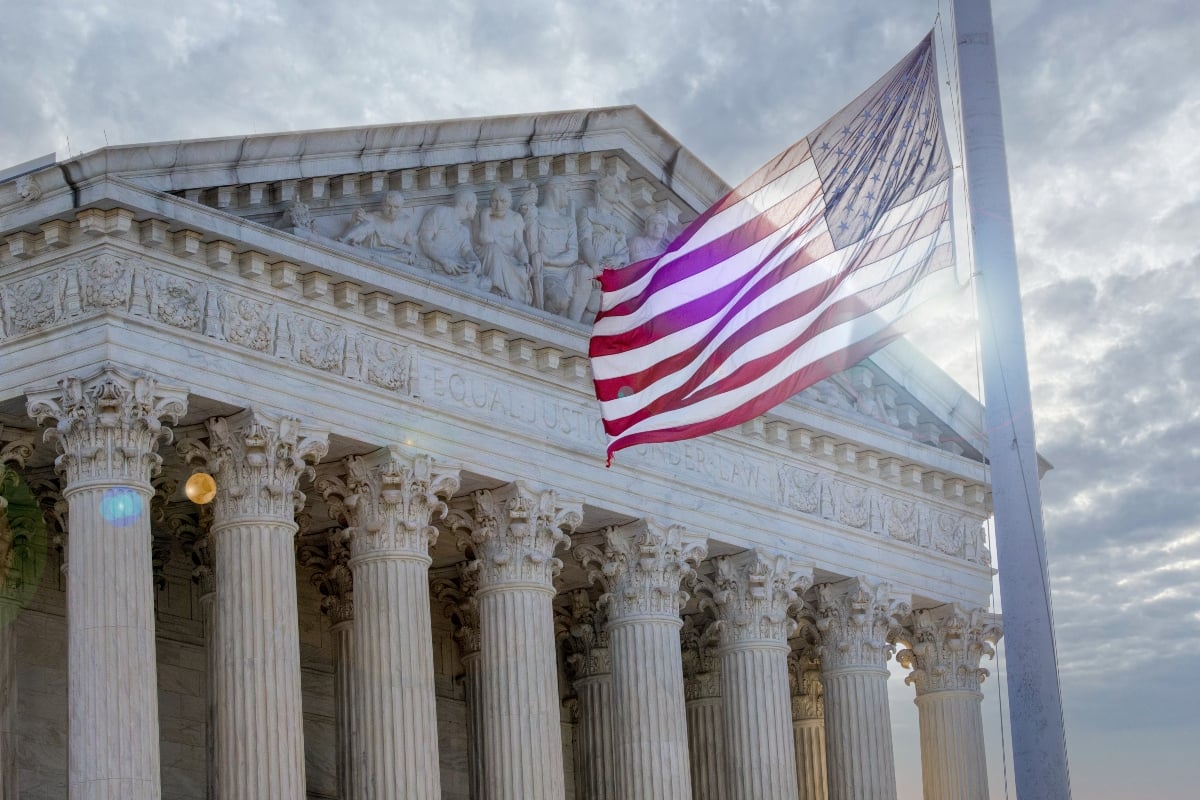
The Supreme Court agreed on October 1 to review a Trump administration policy that prevents certain immigrants from requesting a bail hearing during their deportation proceedings.
The case, Rhoney v. Barbosa da Cunha, raises the question of whether the law requires detaining individuals present in the United States who entered without being formally admitted.
Accepting the review does not equate to supporting the government: the Supreme Court has not yet ruled on the merits of this controversy.
For the affected families, the possibility of requesting an individual assessment of detention while the migration process continues, which can take months, is at stake.
Mandatory ICE Detention: Two Conflicting Interpretations
The Supreme Court will analyze the indefinite detention of immigrants with deportation orders.
— Noticias Telemundo (@TelemundoNews) October 1, 2026
The administration changed an interpretation applied for decades in July 2025 and maintains that certain immigrants detained within the country must remain in custody without a bail hearing.
The dispute pits two provisions against each other: Section 1225, invoked to require mandatory detention, and Section 1226(a), which contemplates the possibility of release on bail in certain cases.
The plaintiffs question whether living in U.S. territory for years allows for the same detention treatment as someone seeking to enter the country.
Most appeals courts that examined the issue rejected the government’s interpretation; the Fifth and Eighth Circuits supported it. This division explains the Supreme Court’s intervention.
Cubans Detained in Florida: What the Judicial Review Means
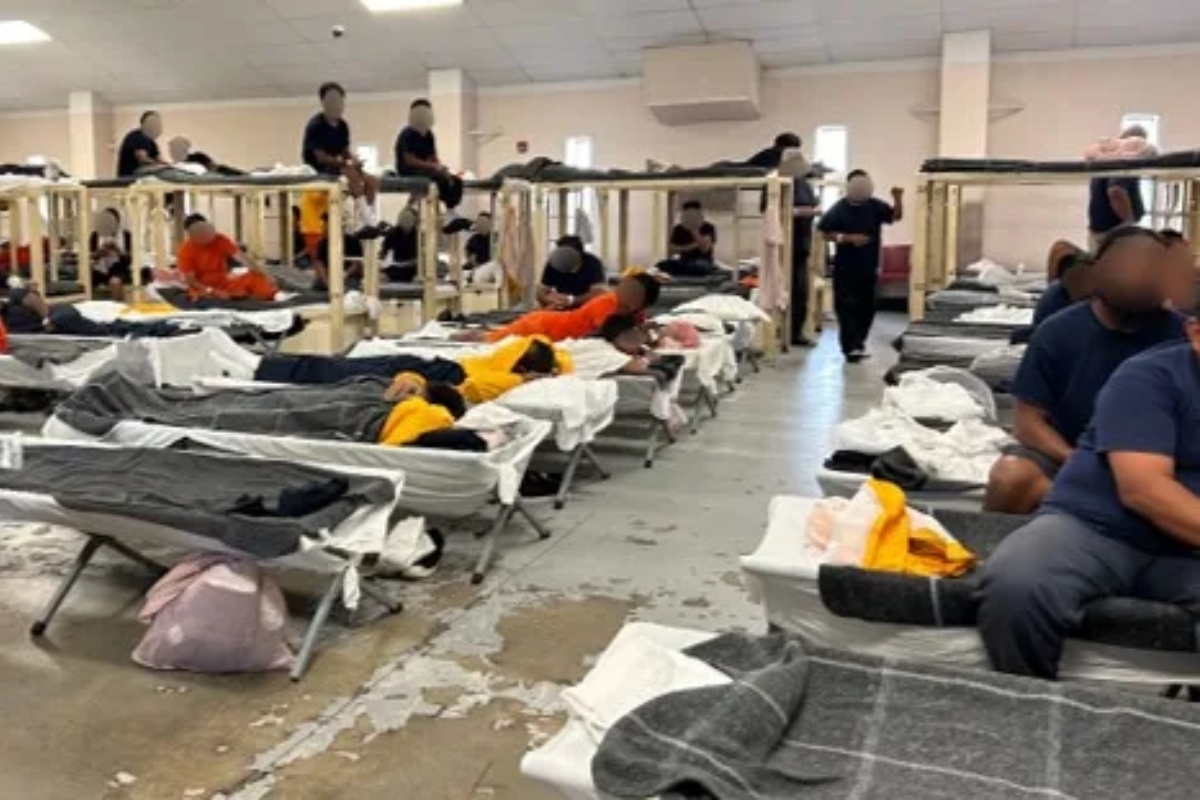
The debate is particularly relevant in Florida, where the Eleventh Circuit recognized access to bail hearings for certain immigrants arrested while already in the country.
This circuit also includes Georgia and Alabama. The Supreme Court’s acceptance of the appeal does not, in itself, constitute an annulment of the regional precedent.
YOU MAY BE INTERESTED: ICE sets limits on which agents can stop vehicles, according to ABC
For Cubans, nationality does not automatically determine access to bail: the method of entry, migration classification, and legal basis for detention are important.
A hearing should not be confused with a guaranteed release. The judge evaluates the case; obtaining bail does not grant residency, cancel a deportation, or resolve a pending migration application.
SOURCE: cibercuba