SNAP Eligibility Changes: USDA Proposal Could Affect 6.3 Million People


Posted on 11/11/26 at 20:11
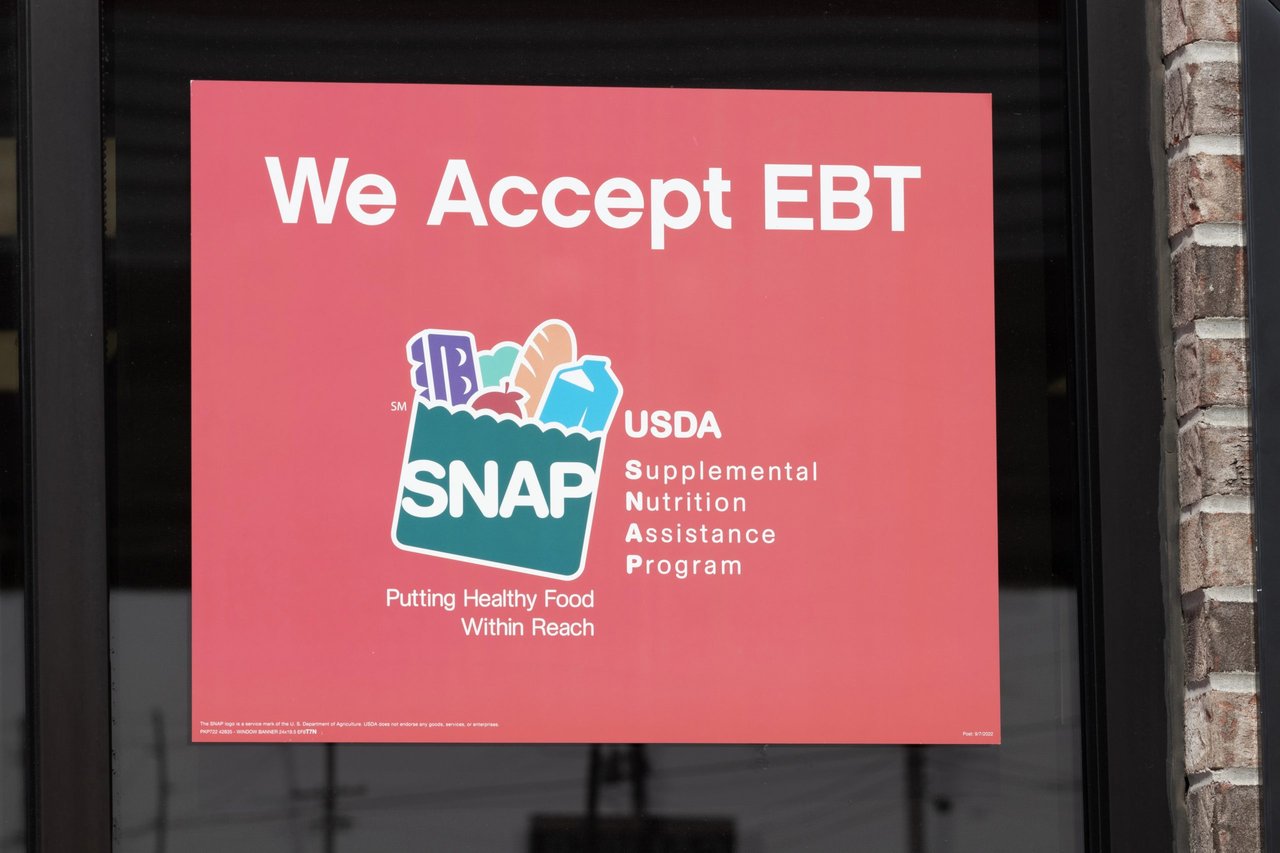
If you or someone in your family receives benefits through the Supplemental Nutrition Assistance Program (SNAP), you’ve probably seen some alarming headlines regarding SNAP eligibility changes. Here’s what’s happening: On November 10, 2026, the US Department of Agriculture (USDA) published a proposal that would change how certain households qualify automatically for food assistance. But there’s an important distinction: This is a proposed rule, not a final regulation. It hasn’t taken effect, and the proposal itself does not cancel anyone’s benefits.
What SNAP Eligibility Changes Is Exactly the USDA Proposing?
The proposal, titled «Supplemental Nutrition Assistance Program: Reforming Categorical Eligibility,» was published in the Federal Register under document number 2026-22936. Under current rules, households receiving certain benefits through Temporary Assistance for Needy Families (TANF) can qualify for SNAP through a process known as categorical eligibility. Depending on state policies, those benefits can include cash assistance as well as certain noncash services, even when a household’s income or resources exceed the standard federal SNAP limits.
The USDA wants to narrow this eligibility pathway. Its proposal relies on the definition of «assistance» in federal regulation 45 CFR 260.31, which includes cash payments, vouchers, and other support intended to meet ongoing basic needs. Certain noncash benefits, such as childcare and transportation assistance for families not employed, can also qualify under that definition.
Under the proposed changes, households receiving qualifying TANF assistance would retain categorical eligibility. Households receiving Supplemental Security Income (SSI) or qualifying General Assistance benefits would also continue to qualify under applicable rules.
The department says its goal is to ensure that SNAP benefits reach households that meet established eligibility standards while preserving the administrative efficiency of categorical eligibility.
How Many People Could Lose SNAP Benefits?
According to the USDA’s official analysis, approximately 3.2 million households, representing 6.3 million people, could lose SNAP benefits because their income or financial resources exceed standard federal eligibility limits. That represents approximately 17.6% of SNAP participants. The estimate applies to fiscal year 2029, when the proposal is expected to have its full effect if finalized as written. These are projected losses, not immediate benefit cancellations.
Does that mean everyone receiving TANF-related assistance would lose SNAP? No. The proposed changes would primarily eliminate the broader eligibility pathway based on certain noncash TANF-funded services. Households that no longer qualify automatically could still be evaluated under SNAP’s regular income and resource requirements. The projected 6.3 million people are those the USDA estimates would fail to meet those standard limits.
What about children who receive free school meals? The USDA estimates that approximately 1.78 million children would lose automatic eligibility for free school meals because of the proposed changes. However, about 97% would still qualify for free or reduced-price meals based on household income and could apply through another eligibility process. Losing automatic eligibility does not necessarily mean losing access to school meals.
What Do Supporters and Critics Say About the SNAP Proposal?
The Trump administration argues that the proposed changes would better target food assistance to households that meet federal eligibility standards. The USDA also maintains that the changes would help align SNAP eligibility with the original purpose of categorical eligibility and reduce inconsistencies between states.
Critics, including Democratic Representative Angie Craig, have raised concerns about the potential consequences for families who rely on food assistance. According to The Hill, Craig criticized the proposal as cruel. Opponents also warn that stricter eligibility requirements could increase paperwork for families and create additional administrative burdens for state agencies responsible for determining eligibility.
What Should SNAP Recipients Do Right Now?
-
Watch for notices from your state SNAP agency. Your state will inform you if eligibility requirements change or if you need to provide additional documentation.
-
Continue completing required paperwork. Don’t stop renewing your benefits or assume your EBT card has been canceled because of headlines about a proposed rule.
-
Consider submitting a public comment. The USDA is accepting comments until December 10, 2026, through the official Federal Register page.
What Would These SNAP Changes Mean for Your Family?
Think about how your household currently qualifies for assistance. Did you become eligible for SNAP through a TANF-funded program? Do you have children who receive free school meals? If so, reviewing the proposed changes and monitoring updates from your state agency could help you understand whether your family might be affected. Even if the changes don’t apply to you directly, the proposal could have significant consequences for millions of households nationwide.
For more context, read our report explaining why SNAP participation has fallen to its lowest level since 2009. It’s also important not to confuse this proposal with separate restrictions on using SNAP benefits to purchase certain foods and beverages. We explain which states have introduced restrictions on soda and candy purchases in that article.
Sources: USDA: proposal in the Federal Register; CNBC; The Hill. Data consulted on November 11, 2026.