Tariffs Hit Consumers: School Supplies Cost Up to $147 More This Year


Posted on 08/31/26 at 10:07
Trade tariffs are starting to take a toll on everyday American expenses, just as the dispute between the US and Canada threatens to drive up new costs.
A basket of common back-to-school items accumulates around $147.60 in tariff charges, according to calculations by the National Taxpayers Union (NTU).
- Why it matters: Tariffs can lead to higher prices and disproportionately affect low-income families, who allocate a larger proportion of their budget to basic needs.
Tariffs Drive Up School Supply Costs: Why?
Bryan Riley, director of NTU’s Free Trade Initiative, explained to The Center Square that virtually all products feel some effect from the tariffs.
However, the impact varies significantly depending on the item and how much the US relies on imports to supply its market.
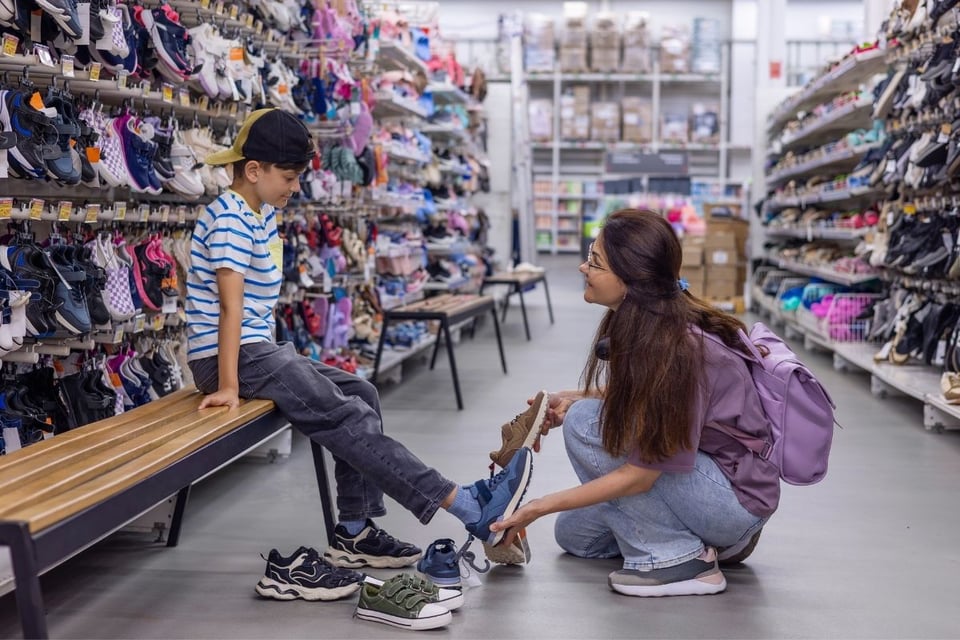
- According to NTU, tariffs add around $18.80 to athletic shoes, $4.90 to calculators, $5.13 to clothing, and $0.85 to notebooks.
The organization estimates that tariffs could represent approximately $200 billion annually for Americans.
Riley warned that small increases may seem insignificant individually, but they add up when a family buys numerous products.
The effect of the tariffs can multiply for school districts that purchase food, materials, and other school supplies for thousands of students using taxpayer-funded resources.
Canada Prepares Tariffs of Up to 50%
Pressure on consumers coincides with a new escalation in trade between Washington and Ottawa.
Canada announced retaliatory tariffs of 15%, 25%, and up to 50%, which will take effect on September 8 on US products.
The measure responds to the US tariff of 50% applied to certain Canadian goods and will affect US imports valued at approximately $27.6 billion.
- Among the included sectors are: steel, aluminum, appliances, agricultural machinery, dairy products, paper, plastics, and electronics, according to official Canadian information.
The escalation increases uncertainty about how much of these costs will ultimately be passed on to businesses and consumers in both countries.
Nearly 24 million basic education students and over 1.2 million teachers start activities this Monday; here are the details of the back-to-school season. #Despierta with @daniellemx_ | #DecideInformado | Follow the signal at https://t.co/gfh1IiMH2O pic.twitter.com/PJDedJlAnH
— NMás (@nmas) August 31, 2026
US Households Face a Growing Bill
Economist Orphe Divounguy told The Center Square that an average household needs around $2,900 more per year to buy the same basket of products as last year.
Divounguy clarified that tariffs are not the only factor, also citing interest rates, public spending, and energy prices.
For families, the concern is the sum of these factors: from shoes and school clothes to food, transportation, and other everyday expenses.
If the US and Canada continue to raise their trade barriers, the back-to-school season could be just one of the most visible examples of a much larger bill.
YOU MAY ALSO LIKE: Canada Strikes Back: Tariffs of Up to 50% Hit 700 US Products