New York Sets Date to End Horse-Drawn Carriages: Controversy Over 200 Jobs at Risk


Posted on 10/23/26 at 10:00
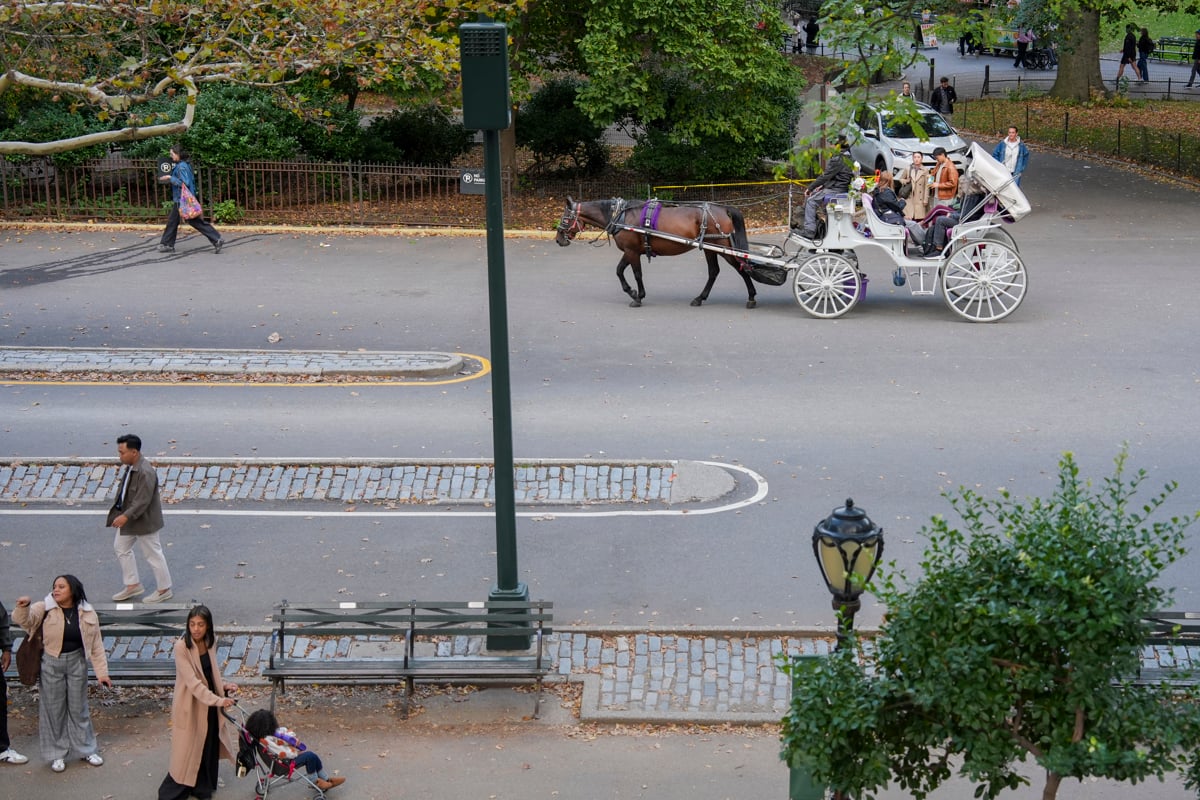
The New York City Council has approved legislation that will put an end to horse-drawn carriages in June 2028. The decision threatens to disappear a 150-year tourism tradition, present in movies, photographs, and tours of Central Park.
The vote ended with 40 council members in favor, seven against, and two abstentions, despite attempts to delay the ban until 2030. The measure still needs the signature of Mayor Zohran Mamdani, who previously reached a legislative agreement with Council President Julie Menin.
Tourist Death in Central Park Accelerated the Ban on Horse-Drawn Carriages
📹 New York plans to remove traditional horse-drawn carriages from Central Park by 2028: «It’s time to put an end to this cruel industry» https://t.co/ASmCrFcyk6
— EL PAÍS América (@elpais_america) October 21, 2026
The legislation is named after Romanch Mahajan, an 18-year-old tourist who died on June 17 in a carriage accident. His death intensified demands from animal rights organizations and families calling for changes in the operation of this tourist activity.
YOU MAY BE INTERESTED: New York opens 40,000 9/11 files: what authorities knew about toxic air
The controversy had also grown after two horses died in previous incidents that generated outrage on social media. Organizations like PETA celebrated the approval and announced resources to facilitate the retirement of animals used in these tours.
Carriage Drivers Warn of Economic Consequences
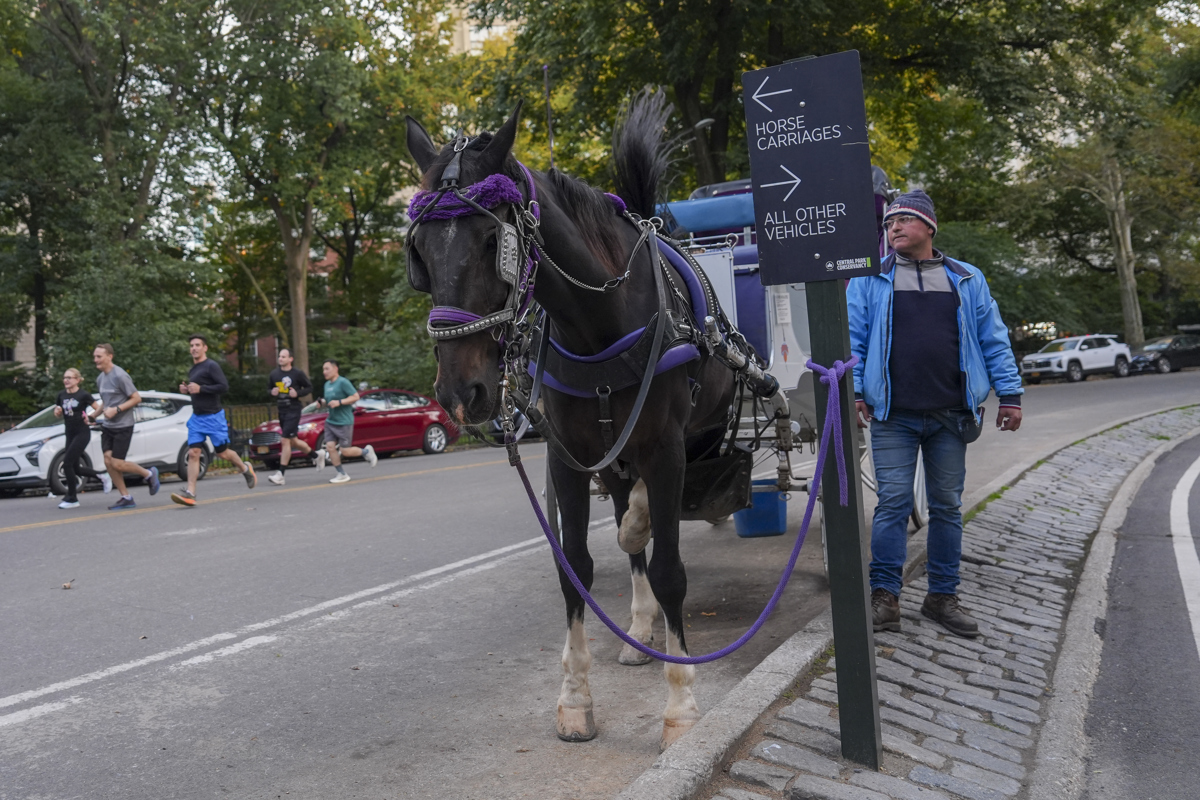
The ban would affect approximately 200 workers, many of them immigrants or descendants of immigrants who depend economically on this business. Some drivers acquired licenses through loans, so the closure could leave them with financial obligations even after losing their income.
The Council maintains that the legislation includes labor assistance and transition opportunities for those who must leave the activity. However, the TWA union questions these guarantees and is preparing a federal lawsuit, considering that the regulation could violate legal provisions.
Trump Questions the Ban and Political Dispute Grows
President Donald Trump also intervened in the controversy and criticized the elimination of this activity after a fatal accident. His stance coincides with those who consider that authorities should reinforce safety measures before completely banning the tours. On the other hand, animal defenders argue that removing the carriages represents a necessary measure to avoid new episodes of suffering. If the mayor signs the law, no new licenses will be issued, and a transition will begin that will transform one of Manhattan’s most recognizable images.
What Does the Ban on Horse-Drawn Carriages Mean for New York?
Why it matters: A centuries-old tourist tradition would disappear, and the economic activity of workers linked to Central Park would change.
The fact: The ban is scheduled for June 2028 and affects approximately 200 employees in the sector.
The process: The legislation needs the mayor’s signature and could face a judicial challenge presented by the union.
What you can do: Workers can consult labor transition programs, and tourists should check the availability of tours.
Source: Efe