FAA Halts Takeoffs at All U.S. Airports After Communications Failure


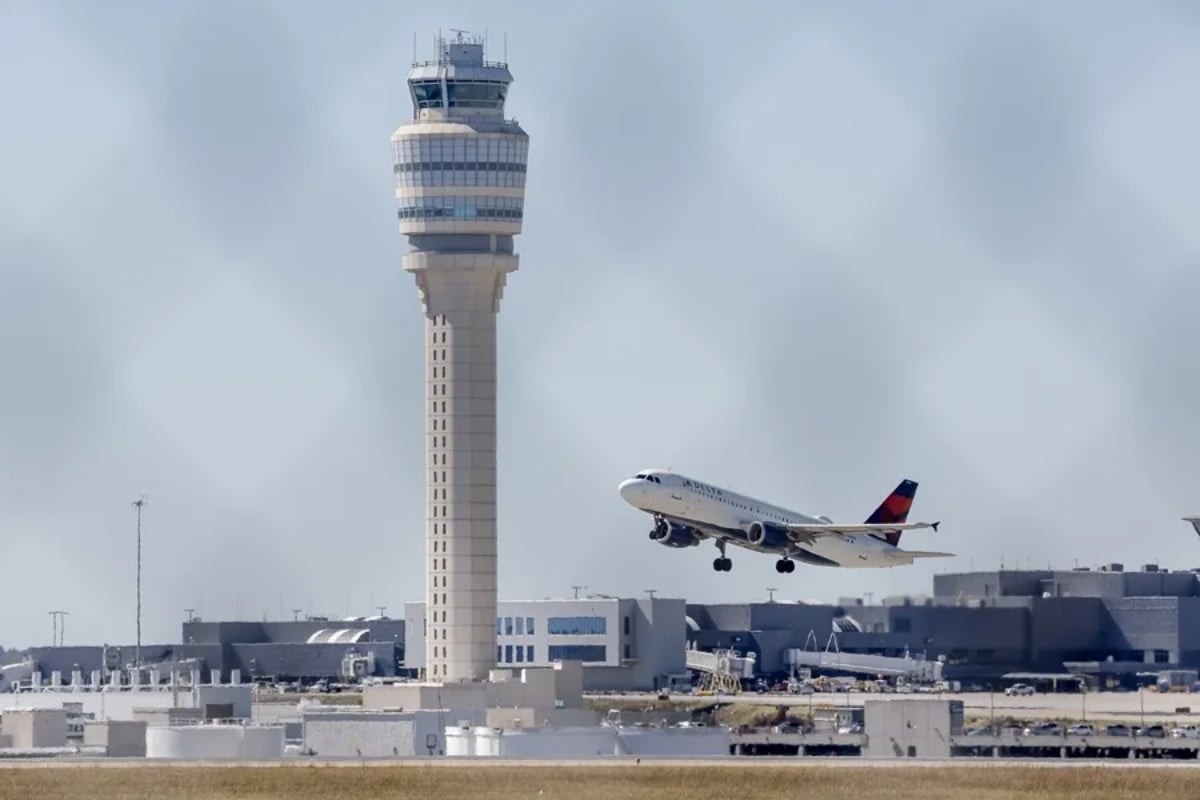
Posted on 11/14/26 at 07:01
- FAA orders takeoffs halted.
- Communications failure under investigation.
- International flights: case-by-case assessment.
The Federal Aviation Administration (FAA) on Friday, November 13, 2026, ordered a halt to takeoffs at all airports in the United States.
The measure responded to a communications failure affecting the centers responsible for controlling aircraft during their trips between airports.
Transportation Secretary Sean Duffy said technicians were investigating the incident, without specifying when operations could resume.
The nationwide stop was adopted as a safety precaution and left departures subject to new instructions from aviation authorities. apnews.com
What the Nationwide Takeoff Suspension Means
The U.S. aviation authority orders a halt to flight takeoffs nationwide for safety reasons https://t.co/bJ1rixBXr6
— BBC News Mundo (@bbcmundo) November 13, 2026
The order keeps planes waiting to depart on the ground and changes travel schedules within U.S. territory.
A takeoff suspension does not, in itself, mean that all flights have been canceled: each itinerary requires a specific update.
According to the notice reported by EFE, international flights bound for the United States will be handled individually, depending on the circumstances.
For those traveling from Latin America, this means confirming any change in schedule, connection or departure directly with the airline.
Communications Failure: What We Know About the Problem
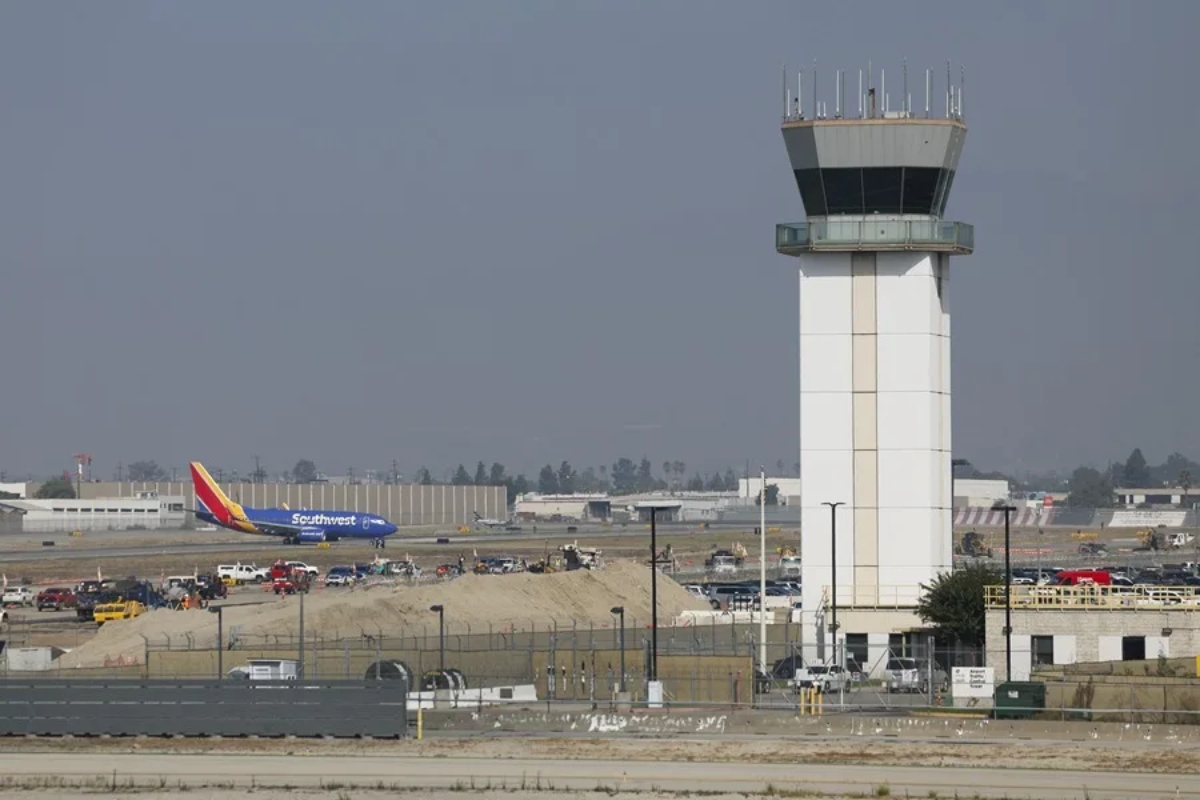
Duffy attributed the disruption to a problem affecting the en route control centers, which are essential for coordinating air traffic.
Initial information identifies the affected area, but does not establish which component failed or what caused the breakdown.
The deterioration of technological infrastructure is part of the context the transportation secretary pointed to while defending the modernization of the system.
However, that background does not by itself prove the cause of this disruption: determining it falls to the ongoing technical investigation.
The 2023 Precedent Brings the Pressure Back
The @FAAnews issued a nationwide ground stop for all U.S. airports following a communication issue impacting all Air Route Traffic Control Centers. FAA technicians are investigating the issue. We will provide immediate updates as we have them.
— Secretary Sean Duffy (@SecDuffy) November 13, 2026
The shutdown recalls the nationwide stop in January 2023, which was linked to a failure in the system that transmits important notices to pilots.
The other precedent cited by EFE is the September 11, 2001, attacks, when takeoffs were also halted.
Although the reasons are different, those episodes give a sense of how exceptional it is to issue an order that reaches airports across the country.
YOU MIGHT BE INTERESTED: Washington Shooting: Suspect Had a Dispute Over Mold and Maintenance in His Building
The crisis once again puts under scrutiny the U.S. system’s ability to maintain safe operations when an essential tool stops working.
What Passengers Can Do in the Face of Delays
Before heading to the airport, travelers should check their flight status in their airline’s app or on its website.
Those with connections should review every segment of the itinerary and ask about alternatives if the changes jeopardize the next boarding.
It is also a good idea to turn on notifications and keep the messages received, especially when the airline announces changes or new travel options.
The FAA recommends checking with each carrier for specific delays: general airspace notices do not replace the information on a reservation.