Mortgage Rates Make Home Loans More Expensive: Why Do They Keep Rising?


Posted on 05/30/26 at 12:15
Mortgage rates in the United States rose again and continue making home purchases more expensive for millions of families.
According to Freddie Mac, the average rate for 30-year mortgages reached 6.53% as of May 28, 2026, marking a new increase from the previous week and remaining one of the main challenges for those hoping to become homeowners this year.
- Why it matters: Although housing demand is showing signs of recovery, rising rates mean higher monthly payments, lower purchasing power, and greater obstacles for those trying to enter the housing market for the first time.
Rates Rise Once Again: Mortgage Rates Make Loans More Expensive
- The latest data from Freddie Mac show that the average rate for a 30-year fixed mortgage rose from 6.51% to 6.53% in one week.
Fifteen-year mortgages also recorded an increase, reaching 5.87%, compared with 5.85% the previous week.
Mortgage rates in the U.S. rose to their highest level since August, cooling home purchases and hitting refinances
— Bloomberg Línea (@BloombergLinea_) May 27, 2026
Even so, both indicators remain below the levels seen one year ago, when rates reached 6.89% for 30-year loans and 6.03% for 15-year loans.
However, for current buyers, the reality remains complicated. Even small movements in rates can represent hundreds of additional dollars in payments over the life of the loan.
Global Uncertainty Pressures the Market
The behavior of mortgage rates is closely tied to the U.S. Treasury bond market.
According to Reuters, concerns over inflation, energy market volatility, and uncertainty stemming from international conflicts have pushed bond yields higher, which ultimately carries over to mortgage loans.
Among the factors currently causing concern in the markets are:
- International geopolitical risks
- Persistent inflationary pressures
- Changes in energy prices
- Expectations about monetary policy
Analysts usually pay close attention to the yield on 10-year Treasury bonds, since it has historically served as a reference point for the movement of mortgage rates.
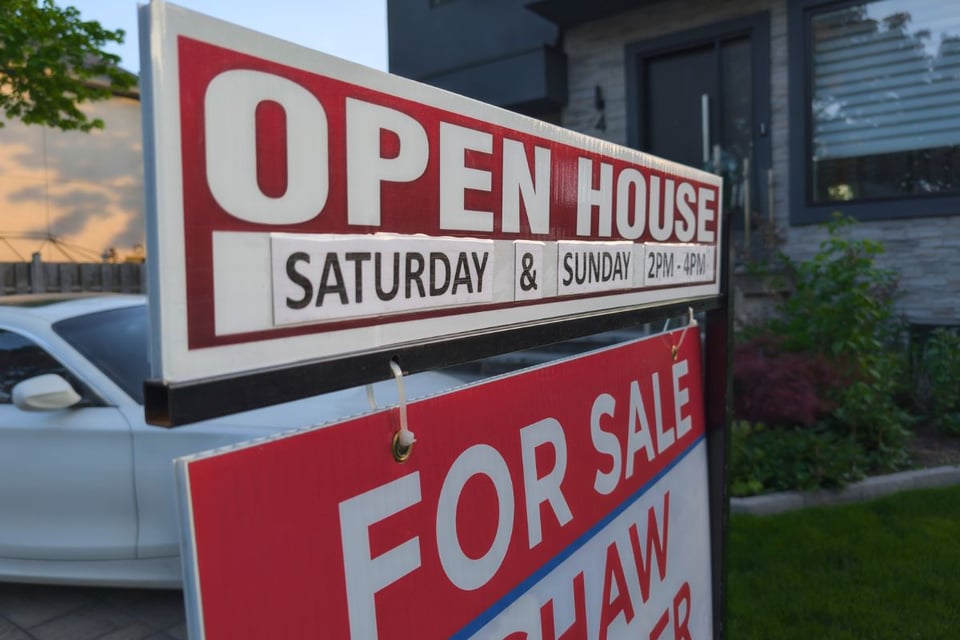
Buying a Home in the U.S.: Today You Need More Money Than a Few Months Ago
The impact is already being felt in buyers’ wallets.
The Mortgage Bankers Association, or MBA, reported that the average payment requested for new mortgages rose from $2,131 in March to $2,152 in April.
Although the difference may seem small, it represents a trend that worries those seeking to finance a home in an environment where property prices remain high.
According to the MBA, the increase was caused by a combination of slightly higher rates and larger loan amounts.
As a result, many buyers qualify for smaller loans or must dedicate a larger share of their income to the monthly housing payment.

Demand Remains Alive Despite the Costs
Despite the difficulties, the housing market has not stopped.
- Freddie Mac reported that pending home sales have increased for three consecutive months, a sign that accumulated demand still exists.
- Many buyers continue monitoring the market while waiting for a possible drop in rates.
- In addition, the limited supply of homes, especially for first-time buyers, remains one of the sector’s main structural problems.
The shortage of inventory has prevented a stronger slowdown in prices from fully offsetting the impact of elevated rates.
YOU MAY BE INTERESTED IN: New York Will Send “POWER” Checks of Up to $200 to Residents: Payment Date, Beneficiaries, and Amounts
Could Rates Fall During 2026?
The direction of rates will depend on multiple economic variables.
Factors such as inflation, economic growth, the labor market, and international events will continue influencing financial market decisions.
At the beginning of 2026, rates briefly fell below 6%, but later resumed an upward trend.
- What’s next: Although a possible reduction in rates could improve affordability, experts warn that the housing market also needs a significant increase in housing supply to create broader relief for buyers.
Until that happens, those looking to buy a home will have to face a scenario in which financing a property remains more expensive than it was just a few months ago.