Mamdani Supermarkets in NY reopen debate on Chávez model


Posted on 07/28/26 at 10:54
Mayor Zohran Mamdani’s plan to open municipal supermarkets with 30% discounts is already facing an uncomfortable comparison: the Mercal that Hugo Chávez promoted in Venezuela.
- Although both models have important differences, the proposal has sparked an intense debate about the role of the State in the sale of food.
Why it matters: The initiative aims to alleviate the cost of living, but small business owners fear competing against establishments backed by public resources, while thousands of Latinos recall similar experiences in Latin America.
Mamdani’s project promises to save up to $1,000 per family annually
Mamdani announced that the city will open five municipal supermarkets between the end of 2027 and 2029, where anyone can buy fruits, vegetables, meats, dairy, and other basic products at prices up to 30% lower, regardless of income, according to EFE.
- The mayor estimates that each household could save around $90 a month, equivalent to about $1,000 a year, thanks to a program with an initial investment of $70 million.
- The first two establishments will be located in Hunts Point, in the Bronx, and La Marqueta, in Harlem, two areas where access to fresh and affordable food remains limited for thousands of residents.

«We know that for many New Yorkers, 30% at the grocery store means something very different,» Mamdani said when presenting the initiative, which is part of his «NYC Groceries: A Recipe for Affordability» plan.
Why the project recalls Hugo Chávez’s Mercal?
Comparisons began almost immediately because both programs share a central goal: using State intervention to offer basic foods at prices lower than the market.
- The Mercal were created in Venezuela in 2003 during Hugo Chávez’s government as a network of subsidized supermarkets to expand access to the basic basket in low-income sectors.
- According to documents from the Food and Agriculture Organization of the United Nations (FAO), the program was born as part of a food security strategy following the supply crisis recorded that year.
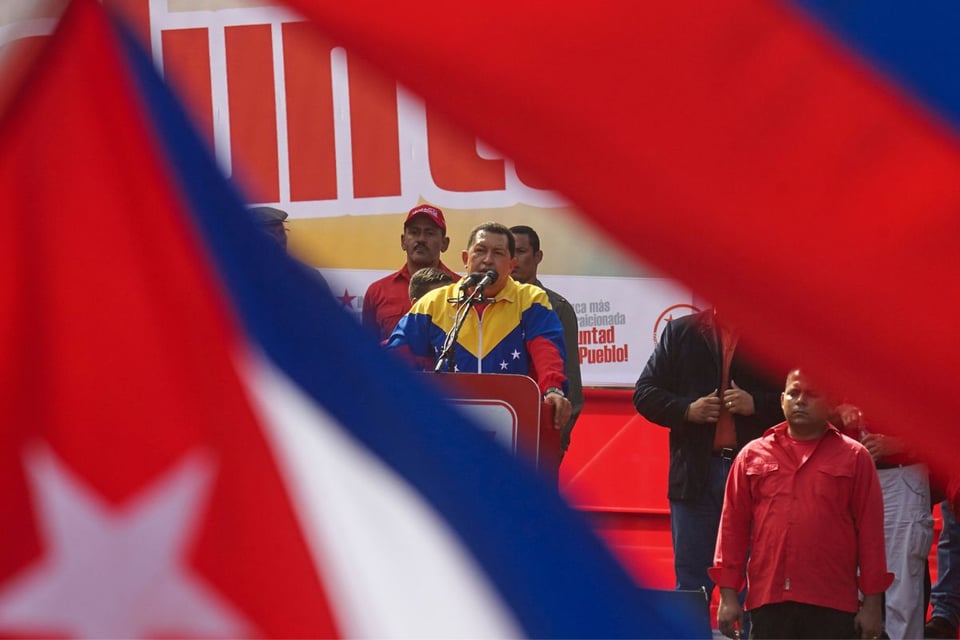
During its first years, Mercal managed to expand access to food for millions of Venezuelans through subsidized products.
- However, subsequent investigations and reports by international bodies documented supply problems, corruption allegations, and a growing deterioration of the system amid the economic crisis the country was going through.
That precedent explains why Mamdani’s proposal generates mixed reactions among many Latinos who lived or know that experience.
Similarities exist, although for now, differences are also relevant
Although the comparison has gained ground in the political debate, both models present important differences.
In New York, the supermarkets will not be directly administered by the municipal government. The city will establish the program standards, while operations will be handled by private companies selected through a public tender.
In addition:
- Only five supermarkets will be opened throughout the city.
- They will not replace private commerce.
- There is no national price control system.
- They are also not part of a state food distribution network.
These differences lead experts to warn that equating the two models would be a simplification, although they recognize that both start from greater State participation to reduce the cost of the basic basket.
VIDEO | The mayor of New York, Zohran Mamdani, announces the creation of five municipal supermarkets that will be operational by 2029 and will offer a 30% discount on basic basket products, amid rising food prices in the U.S.
📹 Zhoran… pic.twitter.com/2DYwjmvXjj
— EFE Noticias (@EFEnoticias) July 27, 2026
Small business owners warn they could lose customers
The strongest opposition to the project does not come from economists, but from owners of bodegas and independent supermarkets in New York.
- NY merchants maintain that it will be very difficult to compete against establishments backed by public resources and funded by the city, especially if they offer permanent discounts on essential products.
They also question whether their taxes can be used to create businesses that will compete directly with them.
Mamdani rejects those criticisms and maintains that the priority is to respond to a reality that affects the majority of New Yorkers.
- As he recalled, food prices in the United States have increased by approximately 30% since 2019, while wages have not grown at the same pace.
Mamdani Supermarkets in NY: The debate has just begun
Beyond the promised savings, the announcement has opened a much broader discussion about the role the government must assume to face the rising cost of living.
For its defenders, municipal supermarkets represent an alternative to alleviate family spending in one of the country’s most expensive cities.
For its critics, the project sets a precedent on State intervention in a sector historically dominated by private companies and revives comparisons with models implemented in Latin America.
- The question that remains open is whether this initiative will manage to reduce food prices without affecting small businesses or if it will end up fueling a political debate that goes far beyond a supermarket purchase.