ICE Studies Network of Vehicles to Detain Immigrants During Operations



Posted on 09/26/26 at 11:39
ICE projects detention on wheels
- Pennsylvania is the focus of the new plan
- Vehicles would accompany migrant operations
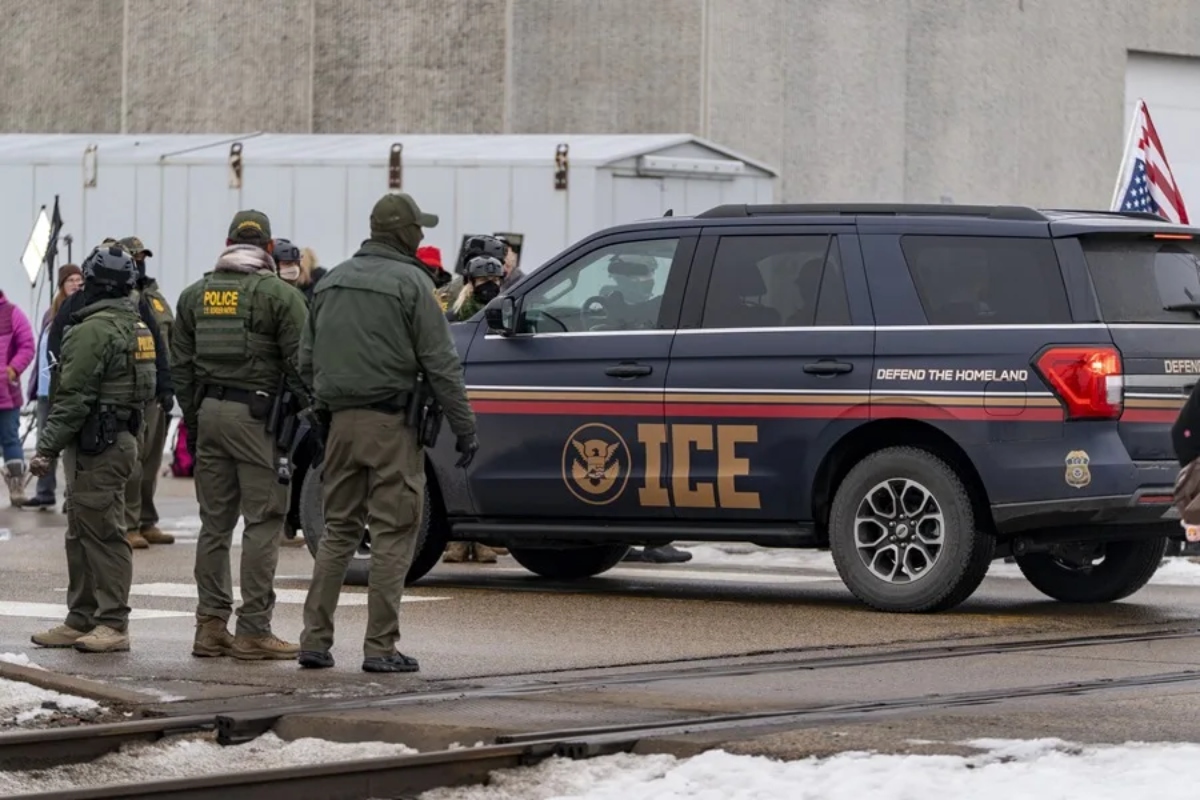
According to lanacion, U.S. Immigration and Customs Enforcement (ICE) is studying the deployment of a network of vehicles in Pennsylvania that would function as temporary detention centers during migrant operations, according to federal contracting documents known in September.
The proposal contemplates that the units would remain near the teams responsible for making arrests, enabling the immediate transfer of detained individuals without agents having to leave the area of operations repeatedly.
The documents describe these units as «mobile detention facilities» and contemplate that they would operate until they reach their capacity or until the operation ends. GTI, a transportation subsidiary of GEO Group, appears to be linked to the proposed operation.
The project is part of a larger expansion that includes contracts of up to 10 years and approximately 5,500 beds distributed among facilities in Pennsylvania, Colorado, Washington, and Florida.
How the mobile units would function during ICE arrests
The trucks would remain at points near the arrest teams and receive detainees as operations advance, creating a temporary custody capacity directly linked to the operations carried out in the field.</p>
For the Philadelphia region, which includes Pennsylvania and Delaware, the documents request 12 additional transport teams per day, seven days a week, distributed in seven locations, in addition to a new operational center.
The requirements include vehicles with interior compartments, driver-passenger separation, locks, and communication systems. Each transfer would have two agents, and the transportation staff would be armed.
However, the documentation raises questions about the conditions of stay: it establishes certain restrictions for women but does not set an equivalent limit for men, nor does it specifically detail rules for bathrooms, food, water, or medical attention within the units.
ICE expands its detention capacity in the United States
The initiative appears after difficulties with the project to convert large warehouses into detention centers. ICE acquired several properties but faced lawsuits, regulatory scrutiny, and opposition in various communities before disposing of several of them.
Meanwhile, the number of migrant arrests has increased: NPR reported approximately 100,000 arrests during the two months before the publication of the documents, while ICE continues to seek greater capacity to house people in custody.
The Department of Homeland Security also awarded construction contracts for more than $7,000 million to expand detention infrastructure in states such as New York, Texas, Arizona, Florida, and California.
YOU MAY BE INTERESTED: Mario died after fleeing from ICE and Wilber was shot: What happens with these operations?
The expansion has a budget supplement of approximately $75,000 million for ICE. In contrast, around 70% of the people currently detained by the agency have no criminal record, according to the data cited by NPR.
What ICE’s plan means for immigrants
According to unotv, for immigrant communities, the main change would be operational: ICE could have temporary detention capacity alongside its field teams, reducing the need to transfer each detainee to a prison or permanent facility immediately.
Michael Wriston, co-founder of Project Salt Box, interprets the proposal as infrastructure compatible with large-scale operations; this is his assessment of the document, not an official description by ICE of the units’ objective.
There are also questions about how long a person could remain in certain vehicles and what conditions should be guaranteed during that period, issues that are not fully developed in the existing documentation.
For now, the documents show a proposal for contracting and logistical expansion, not a confirmation that the mobile network is already operating. ICE and GEO Group did not respond to NPR’s inquiries about the units when the investigation was published.