Climate Change Drives Rise in Heat-Related Emergency Room Visits


Posted on 09/16/26 at 16:13
- Heat-related emergency room visits increase in the US
- Climate change raises the risk
- Dangerous temperatures can continue into September
Extreme heat is leaving an increasingly visible mark on US emergency rooms. New research attributes more than one-quarter of the national rate of heat-related illness visits to human-caused climate change.
The study, published in Climatic Change, examined data from the warm seasons between 2018 and 2025. Researchers calculated that without the influence of human-caused global warming, the national rate of these emergencies would have been approximately 27% lower.
According to AccuWeather, researchers compared recorded temperatures with an estimated scenario without human-caused warming and then analyzed how the difference would have affected medical visits related to heat exposure.
The findings point to a risk that does not end in July or August. The proportional influence of climate change on these emergencies peaked in September, when many people may become less cautious about high temperatures.
Climate Change Raises Heat-Related Medical Emergencies
Heat sends thousands to the ER each year. How much does climate change contribute?
New #ClimateCentral research finds that climate change accounted for about 1 in 4 heat-related emergency room visits in the U.S. during the warm season from 2018–2025.
🚑: https://t.co/N3hryq2Ao3 pic.twitter.com/eMRHzoPzQe
— Climate Central (@ClimateCentral) September 10, 2026
One of the most severe episodes occurred during the historic heat wave in the US Northwest in June 2021, which produced the highest daily rate of heat-related emergency visits recorded during the eight-year study period.
Between June 27 and 29, Alaska, Idaho, Oregon, and Washington recorded an average daily rate of nearly 4,710 heat-related consultations per 100,000 emergency visits—approximately 50 times the usual warm-season average.
California provides another example. During the 10-day heat wave that began August 31, 2022, the state recorded 1,911 heat-related emergency visits. Researchers estimated that approximately 1,341 would have occurred without the influence of climate change.
The danger rises rapidly as the maximum daily temperature increases. Even a few additional degrees on an already hot day can significantly intensify heat stress on the body.
Heat Stroke Symptoms Can Signal an Emergency
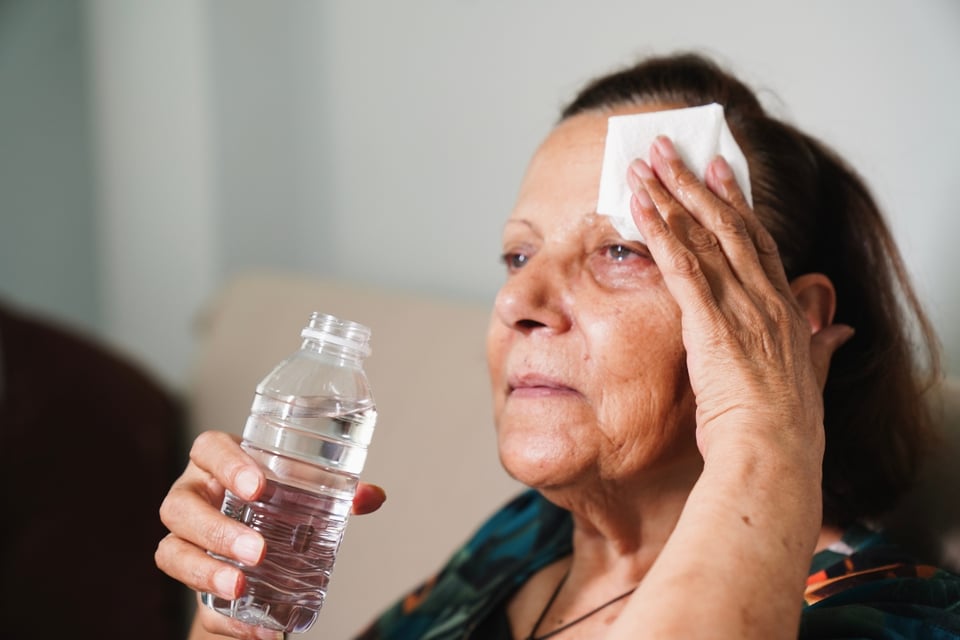
Heat exhaustion can begin with symptoms such as headache, nausea, dizziness, weakness, thirst, and heavy sweating. These signs indicate that the body is struggling to cope with excessive heat exposure.
Heat stroke is more severe. It is a medical emergency in which the body loses its ability to regulate its temperature, creating a risk of permanent injury or death without prompt treatment.
YOU MAY BE INTERESTED: Waking Up to Urinate at Night: Six Prostate Warning Signs
Confusion, an altered mental state, difficulty speaking, seizures, or loss of consciousness are warning signs. The CDC recommends calling 911 and immediately beginning to cool the person while waiting for emergency responders.
The risk is not limited to people working outdoors. Homes without air conditioning, prolonged exposure to hot environments, and high nighttime temperatures can reduce the body’s opportunity to recover.
What Families Should Know About Extreme Heat

The study estimates that climate change contributed an average of 27.1% to the national rate of heat-related emergency visits during the warm seasons analyzed.
Its impact can extend beyond the peak of summer. In California, researchers attributed approximately 570 of the 1,911 visits recorded during the August–September 2022 heat wave to the influence of climate change.
Heat makes it harder for the body to maintain a safe temperature. Prolonged exposure and dehydration can cause heat exhaustion and, in severe cases, heat stroke, when the body can no longer regulate its temperature effectively.
Drinking fluids, limiting intense activity during the hottest parts of the day, and staying in cool or air-conditioned places can reduce the risk. If someone develops confusion, seizures, loss of consciousness, or other signs of heat stroke, call 911 and begin cooling the person immediately.