Rachel Weakens, But Remains a Deadly Flooding Threat in the Southwest


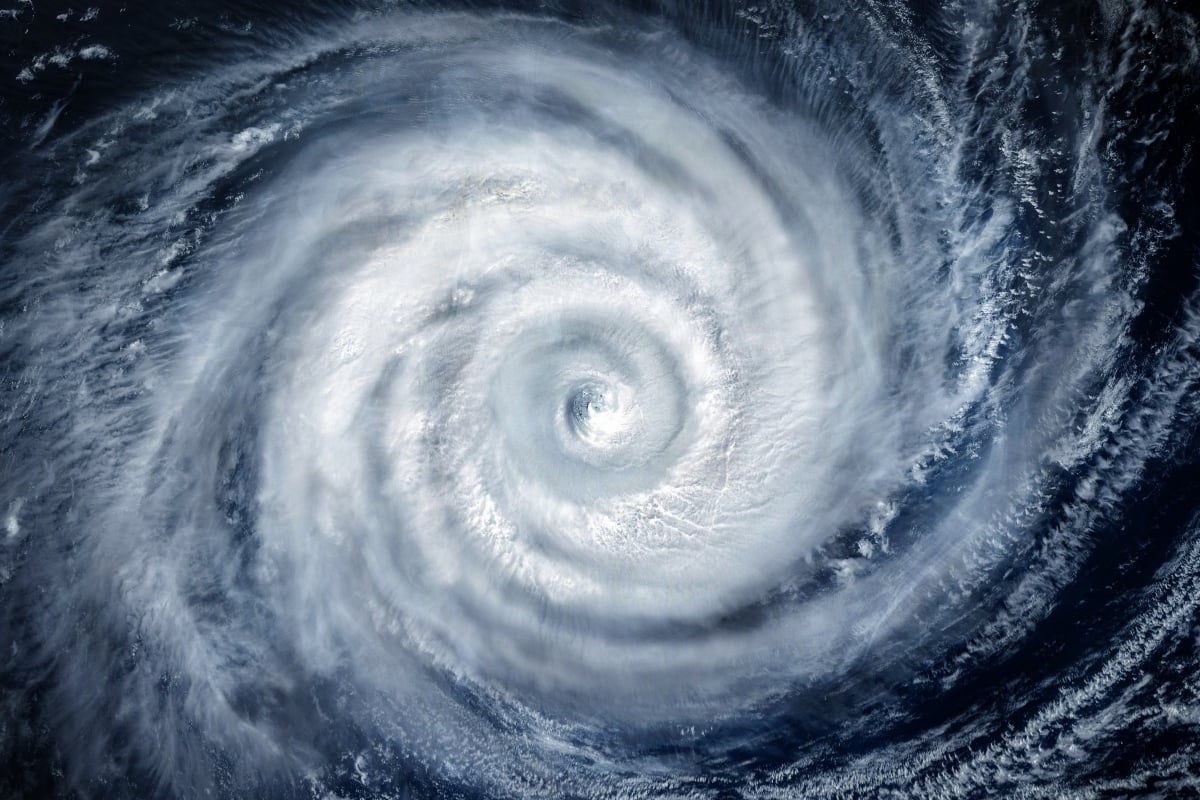
Posted on 10/12/26 at 07:00
- Rachel maintains its post-tropical threat.
- Four states face heavy rainfall.
- Avoid driving on flooded streets.
Rachel is now a post-tropical cyclone, but its weakening does not eliminate the danger: its rains maintain the threat of flooding in the southwestern United States.
The NOAA reported that the system continued to produce heavy precipitation and gusts over Baja California and the Southwest during the morning of Sunday, October 11. 116.5°W
The risk period extends until Monday, October 12. Some areas may experience minor flooding; others, conditions capable of putting lives in danger.
For families planning to travel or work outdoors, the intensity of the wind is not enough to assess the safety of the route.
California, Nevada, Arizona, and Utah Face Heavy Rain
Tropical Storm Rachel made landfall in Baja California Saturday evening, later passing almost directly over Las Vegas earlier Sunday morning. The remnants will continue to bring heavy rain to the Desert Southwest and Great Basin through the day with flooding a big concern.
Fun fact: Death Valley saw almost a half inch of rain from Rachel so far, more than Boulder has received in the last 6 weeks combined .
#NVwx #COwx— BoulderCAST Weather 🏔️⛈️ (@BoulderCAST) October 11, 2026
The remnants of Rachel bring moisture to California, Nevada, Arizona, and Utah, with precipitation that can cause sudden flooding during the day on Sunday.
The Weather Channel forecasts widespread accumulations of up to three inches, approximately 7.6 centimeters, and higher amounts in certain areas of the affected region.
AccuWeather projects between four and eight inches —10 to 20 centimeters— in mountainous sectors, with a local maximum forecast of twelve inches, about 30 centimeters.
These figures are forecasts and not observed accumulations. The amount of rain will vary considerably between locations, even within the same state.
Canyons and Roads Can Become Hazardous Areas
Power outages in some neighborhoods, fallen branches, and rain were some of the effects of Rachel in Baja California during the early morning.
Video: N+. https://t.co/8VhjsOWETS
— NMás (@nmas) October 11, 2026
Canyons and normally dry riverbeds are among the most vulnerable places. The currents can carry rocks, wood, and other debris.
In mountainous terrain, there is also a risk of landslides and damage to roads, so travel may be interrupted suddenly.
The National Weather Service warns that a road covered with water may have collapsed underneath the surface, even if the damage is not visible.
Therefore, barriers should not be circumvented, and flooded areas should not be attempted to be crossed. The fact that another vehicle has passed does not demonstrate that the crossing is safe.
Gusts Add Risks of Power Outages and Damage
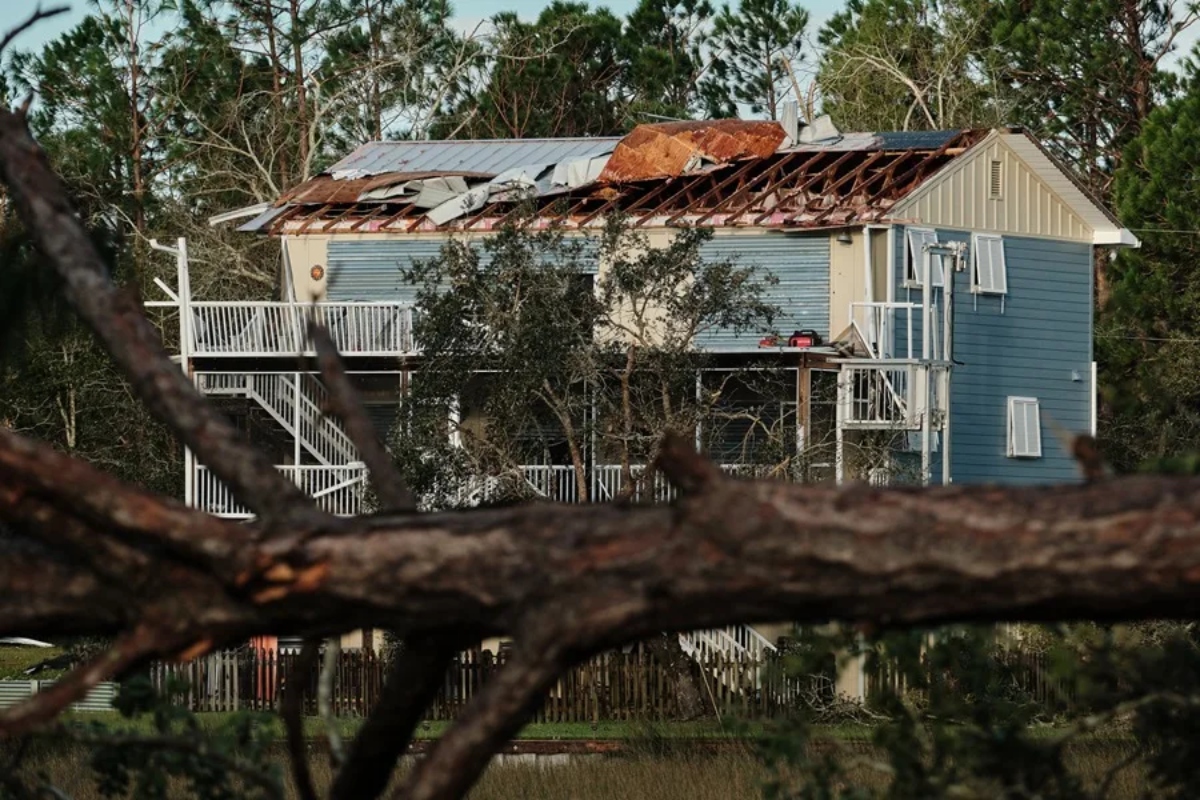
In addition to the rain, AccuWeather anticipates potentially damaging gusts in parts of southeastern California, southern Nevada, Arizona, and Utah.
Thunderstorms could cause isolated power outages. There is also a limited possibility of tornadoes associated with some of these storms.
The loss of strength of Rachel does not imply that all areas face calm conditions: the threats can persist far from its center.
The displacement of its remnants inland maintains attention on the rain and wind during this day. foxweather.com
What to Do in the Face of Rachel’s Flooding
Before leaving, check the weather alerts and road closures corresponding to your location and destination; conditions require local monitoring.
If you encounter a flooded street, change your route. The National Weather Service indicates that twelve inches of moving water can sweep away many cars.
Do not cross on foot either: just six inches of fast current can knock down an adult. The apparent depth can be misleading.
Prioritize a safe route and respect barriers. Avoiding contact with floodwater is an essential measure to prevent deaths.
SOURCE: accuweather