California Faces Historic Tides: Sea Water Floods Streets and Threatens Homes


Posted on 10/27/26 at 10:30
- Record tides hit the coast.
- San Pedro surpasses its record.
- Alerts reach several coastal areas
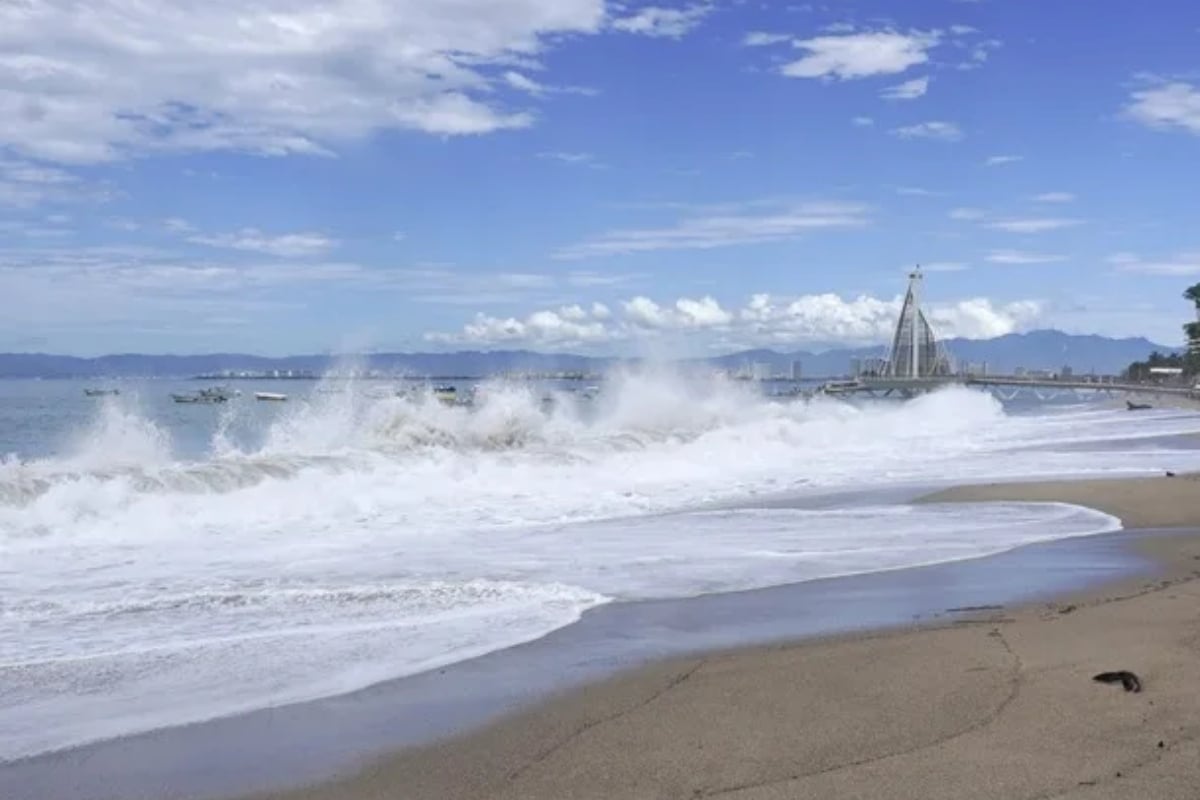
California’s coastal communities are bracing for several days of possible flooding due to exceptionally high tides, from the San Francisco area to San Diego. On Monday, October 26, water reached streets in the southern part of the state, while forecasts warned that sea levels could rise even higher in the coming days.
In Long Beach, neighbors reported flooding in areas such as Naples and the peninsula; in Newport Beach, the water advanced towards streets near the harbor. Authorities are maintaining flood warnings and alerts in various areas, with their validity and risk level subject to change depending on the location.
Record Tide in Los Angeles and Risk in San Diego
Dramatic scenes this morning as big waves smash into already damaged and heavily hit areas of the California coast as day 1 of 3 expected King Tides take aim and folks across Orange County experience tidal flooding and pump water of of businesses #CAwx @JordanHallWX https://t.co/qH6p3jIfAV
— Aaron Rigsby (@AaronRigsbyOSC) October 26, 2026
The San Pedro gauge, in the Los Angeles area, recorded a tide of 8.02 feet, approximately 2.44 meters, above the previous record in 2005 on Monday. In La Jolla, San Diego, the level reached 7.75 feet, near the historic mark for that station. Authorities expected even higher tides on Tuesday. These figures are measured with respect to a reference used by the tide gauges; they do not mean that the streets were covered by that depth of water.
Orange and San Diego counties are among the areas at highest risk, with a coastal flood warning in effect until Thursday, October 29.
Why Sea Levels Are Rising So Much in California

So-called king tides are exceptionally high and predictable tides, related to the position of the Moon, Earth, and Sun. In this case, the elevated ocean temperatures are also contributing to the higher sea levels, beyond what would be expected from astronomical factors alone.
Danger can arise even without rain: seawater can enter through storm drains and reach streets near the coast. In other regions, such as the southeastern United States, persistent winds can also push water towards land and worsen flooding.
Which Areas Could Suffer Flooding and Erosion
Homes and businesses in low-lying areas could be affected, as well as parking lots, roads, paths, and beach access points. The waves and advancing water can also erode the coast and damage particularly vulnerable structures, forecasters warned.
YOU MAY BE INTERESTED: Miami to Charleston: high tides and rain threaten flooding over several days
In Newport Beach, authorities and residents placed sandbags and took measures to protect properties before the high tide. The risk usually increases around high tide, but the schedule changes depending on the location and day. It’s a good idea to check local tables before traveling.
How to Prepare for Coastal Flooding
Residents of low-lying areas can move their vehicles to higher ground and protect their properties by following the instructions of local authorities. Avoid walking or driving on flooded streets: the water can hide unevenness, debris, and damage to the pavement. At the beach, keep a distance from the sea and stay away from rocks, jetties, and areas where waves can reach you unexpectedly.
SOURCE: foxweather