El Mayo Zambada Accepts Life Sentence in the U.S. and Seeks to Avoid a Maximum-Security Prison


Posted on 07/09/26 at 12:28
- El Mayo Zambada Accepts Life Sentence
- Seeks Appropriate Medical Care
- Sentencing Scheduled for July 20
Ismael «El Mayo» Zambada has taken a decisive step in his U.S. criminal case by accepting that the appropriate sentence is life imprisonment, leaving the judge to decide only the conditions under which he will serve that sentence.
The position was outlined in a filing submitted by his legal team to a federal court in New York. In the document, his attorneys also request that the longtime leader of the Sinaloa Cartel not be assigned to a maximum-security prison because of his age and medical condition.
The defense argues that Zambada always understood that pleading guilty would mean spending the rest of his life behind bars and that he never sought to negotiate a lighter sentence or alter the punishment established under U.S. law.
Attention now turns to the sentencing hearing scheduled for July 20, when Judge Brian M. Cogan is expected to impose the final sentence and recommend the federal prison where the Mexican drug trafficker will serve his time.
El Mayo Zambada Sentencing: Defense Says It Never Sought to Reduce the Sentence
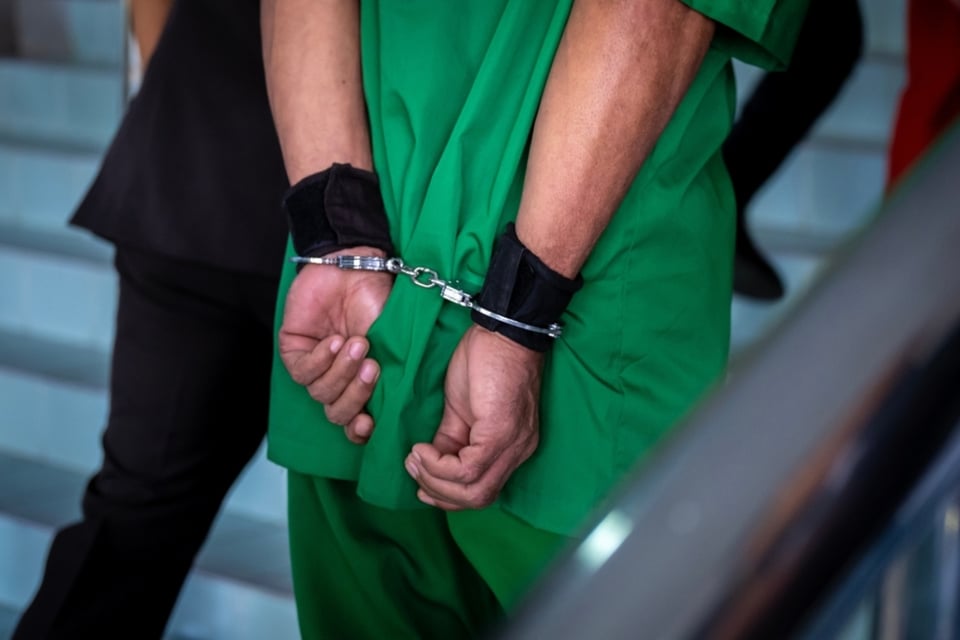
Zambada’s attorneys submitted a letter to the court explaining that their client fully accepted the legal consequences of his guilty plea.
According to the filing, he understood from the outset that the crimes to which he pleaded guilty carry a mandatory sentence of life imprisonment and is not seeking a lesser punishment.
YOU MAY ALSO BE INTERESTED IN: Charlie Kirk’s Family Faces the Accused for the First Time in Court During a High-Tension Hearing
The defense also states that, since arriving in the United States, Zambada has refrained from filing legal motions or pursuing strategies designed to delay the judicial process.
According to his attorneys, that approach helped expedite the case, reduced court proceedings, and avoided a lengthy trial that would have required significant federal judicial resources.
El Mayo Zambada Rules Out Cooperating With Authorities
One of the most notable aspects of the court filing is the defense’s assertion that Zambada has not provided information to U.S. authorities in exchange for leniency.
His attorneys state that he did not offer «substantial assistance» during the investigation and has no intention of doing so in the future to seek a reduced sentence.
Instead of requesting sentencing benefits, the defense asks the court to consider his conduct throughout the proceedings when recommending the type of federal prison where he will be incarcerated.
The filing also requests that prison officials ensure he receives appropriate medical care given that he is currently 77 years old.
El Mayo Zambada Sentencing Will Mark the End of One of the Most Significant Criminal Cases
For decades, Ismael «El Mayo» Zambada was considered one of the top leaders of the Sinaloa Cartel and one of the most wanted drug traffickers by U.S. authorities.
His guilty plea, entered in August 2025, covered multiple drug trafficking and organized crime charges, eliminating the possibility of a public trial.
The case moved forward following his arrest on July 25, 2024, when he was taken into custody in the United States alongside Joaquín Guzmán López, son of Joaquín «El Chapo» Guzmán, after arriving aboard a private aircraft at an airport in New Mexico.
That arrest ended decades of clandestine operations by the veteran cartel leader and opened a new chapter in investigations into the Sinaloa Cartel’s structure and one of the most high-profile anti-narcotics prosecutions in U.S. history.
Judge Will Decide Where He Serves the Rest of His Life
The July 20 hearing represents the final formal stage of the case before the sentence becomes official.
At that time, Judge Brian M. Cogan will formally impose the life sentence and issue a recommendation to the Federal Bureau of Prisons regarding the facility where Zambada will be housed.
Although the defense has accepted a life sentence, the location of his imprisonment remains one of the most significant unresolved issues, particularly in light of his age and health.
The ruling will bring to a close the criminal case of one of the most influential figures in Mexican drug trafficking and determine the conditions under which he will spend the remainder of his life in federal custody, according to reports from EFE and CNN.