Daylight Saving Time Change in US: When to Set Clocks Back


Posted on 10/18/26 at 19:14
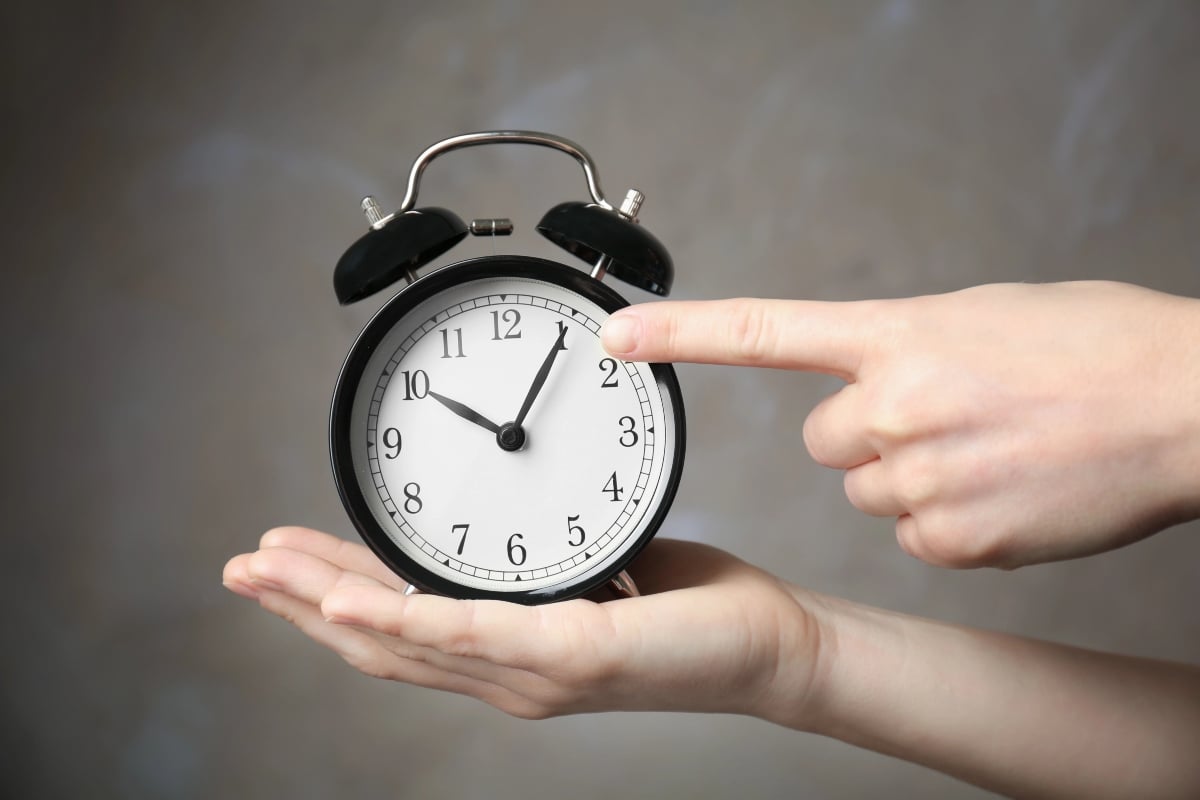
The change to standard time in the United States is still in effect, and millions of people will have to set their clocks back one hour on Sunday, November 1, 2026.
The modification will take place despite efforts by President Donald Trump to eliminate the semi-annual adjustments and establish a permanent time zone.
Congress has yet to pass a reform to end this practice, so federal rules continue to apply.
The measure will affect much of the country, including Hispanic communities that will have to adjust their work, school, and family routines.
When is the Time Change in the United States?
CLOCK CHANGE: In 2 weeks we “Fall Back” one hour! Clocks go back on Sunday, November 1st at 2:00 AM or before bed on Halloween night! #FallBack https://t.co/0wBgBy8JIe
— Mark Tarello (@mark_tarello) October 18, 2026
Daylight Saving Time will end on Sunday, November 1, exactly at 2:00 a.m. local time.
At that moment, clocks will fall back to 1:00 a.m., allowing for an extra hour of rest.
However, the adjustment will also cause it to get dark earlier, even though there will be more daylight in the early morning hours.
Federal legislation states that Daylight Saving Time begins on the second Sunday in March and ends on the first Sunday in November.
Trump Seeks to Eliminate Time Change in the United States
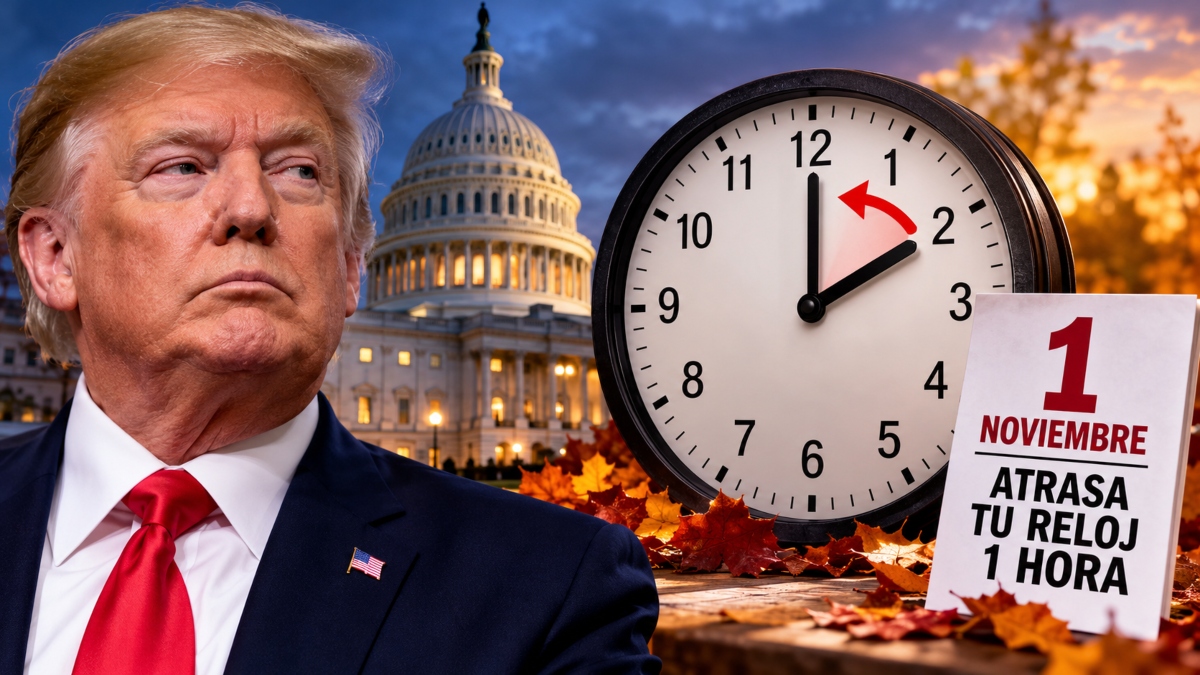
Donald Trump has asked Congress to permanently eliminate the time changes and keep Daylight Saving Time year-round.
The president believes that changing the clocks twice a year causes unnecessary inconvenience and disrupts Americans’ daily activities.
YOU MAY BE INTERESTED: JD Vance admits ICE agent errors and opens debate on punishment for abuse
The legislative debate revolves around the so-called Sunshine Protection Act.
However, differences between lawmakers about its possible consequences have prevented a definitive agreement to modify the system.
Why is the Senate Blocking Time Change Reform?
Some Republican senators question the merits of permanently adopting Daylight Saving Time, particularly given its effects in winter.
Senator Tom Cotton has noted that the United States previously experimented with this model but abandoned it amid public criticism.
Roger Wicker has also expressed concern about the safety of students who may have to wait for school transportation before dawn.
For his part, John Thune has pointed out that there is no clear legislative path to advance the proposal.
Which States Do Not Change Time in the United States?
Although millions of Americans will have to adjust their clocks, there are important exceptions within the national territory.
Hawaii and most of Arizona maintain standard time year-round, so they do not make these changes.
Puerto Rico, Guam, American Samoa, the US Virgin Islands, and the Northern Mariana Islands also do not observe Daylight Saving Time.
Smartphones usually update automatically, but it’s a good idea to check traditional clocks, appliances, and devices that don’t sync.
What Do Americans Think About Eliminating the Time Change?
A YouGov survey conducted in 2023 found that 62% of Americans supported ending the semi-annual adjustments.
Another Gallup poll, published in January 2025, found that 54% preferred eliminating this practice.
However, differences persist between those who want more daylight in the afternoons and those who prioritize earlier sunrises during the winter.
As the political debate continues, the November 1 change remains scheduled, and families will have to prepare to modify their schedules.