Coastal Storm Threatens US East Coast: Alerts Issued for Rough Seas and Flooding Over Several Days


Posted on 10/16/26 at 08:31
A possible coastal storm in the United States has the Atlantic coast on alert due to the risk of hazardous conditions in the upcoming week. Weather models suggest that a low-pressure system could develop early in the week and remain active for several days.
Although there is still uncertainty about its trajectory, the phenomenon could cause strong winds, rain, high waves, and rip currents. The coastal areas of Virginia, North Carolina, and South Carolina are among the areas that could experience the greatest impacts.
Coastal Storm Threatens US: States That Could Be Affected
🌀 TROPICAL TROUBLE?: New AI forecast models are showing signs of a tropical or subtropical low developing off the East Coast early next week. This could spell trouble for East Coast beaches with strong winds and coastal flooding, so keep watching for updates. https://t.co/CQA6hVZOCb
— FOX Weather (@foxweather) October 15, 2026
Forecasts present different scenarios regarding the formation of the system, especially with respect to its distance from the coast and its movement. If the low pressure develops near the coast, coastal communities in Virginia and the Carolinas would face higher probabilities of intense rain.
YOU MAY BE INTERESTED: From Heat to Freezing: A Cold Front Threatens to Drop Temperatures 40°F in the US
However, if the system remains far from land, the effects of wind and precipitation could be considerably less. Meteorologists also consider the possibility that the storm could remain near certain regions for several days before moving towards the Atlantic.
Strong Winds and Rip Currents Threaten Beaches
In house models continuing with the trend of a big coastal low/Carolina system this weekend.
Jury still way out on how this will happen. Probably too far inland/west I think. May end up just offshore, but we’ll see what tomorrow’s data looks like.
High degree of uncertainty in the upper level pattern.
New run in tonight is an immense forecast change from what many of these states are probably expecting now. Rain, winds, and even some higher elevation mischief if you look close.
For Florida, this means a line of or scattering of storms Saturday, with even gustier winds Sunday.
— Noah Bergren (@NbergWX) October 15, 2026
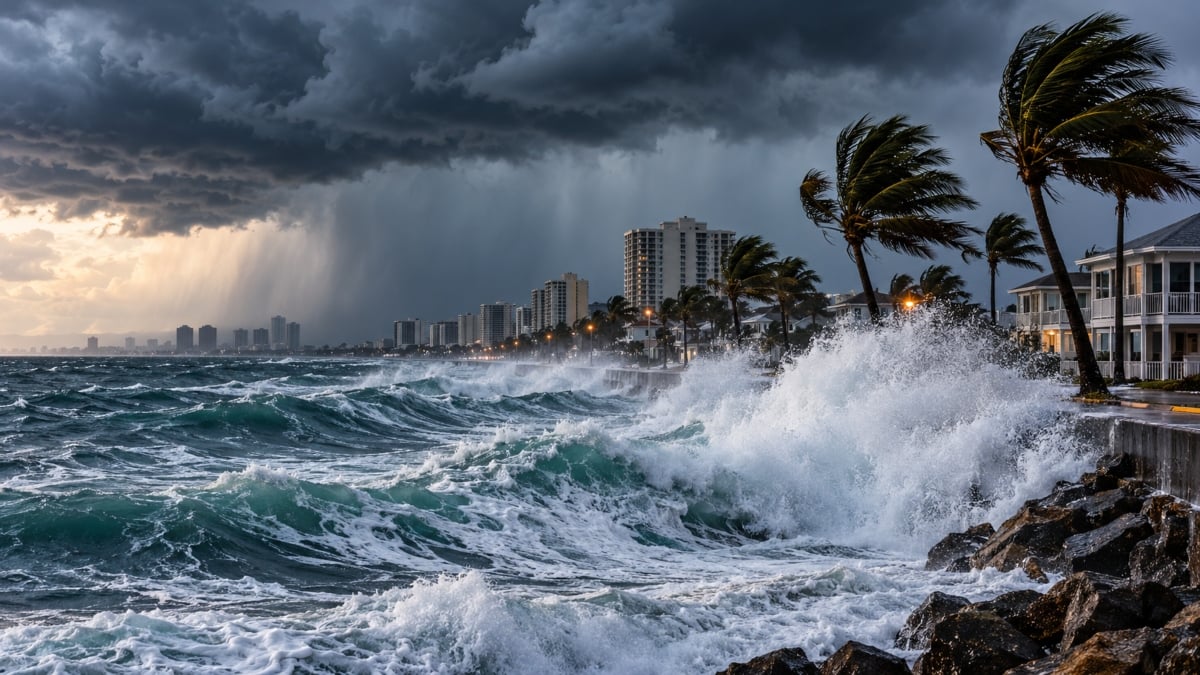
One of the most significant risks is the persistence of northeast winds which are capable of generating hazardous maritime conditions even far from the center of the storm. The Atlantic beaches of Florida, Georgia, the Carolinas, Virginia, and the Delmarva Peninsula could experience high waves and rip currents. These currents pose a danger to swimmers because they can quickly pull them out to sea, even when conditions seem relatively calm. Additionally, authorities may restrict water activities if the waves and intensity of the currents pose threats to residents and visitors.
Coastal Flooding Could Coincide with High Tide
Another concerning scenario involves possible flooding in communities near the ocean, especially when persistent winds favor the accumulation of water against the coast. The combination of high waves, high tide, and prolonged winds could affect coastal roads, beach access, and other low-lying areas. However, it is still premature to determine which cities would face the greatest consequences, due to the differences between available weather projections.
Upcoming forecasts will be crucial in establishing whether the system intensifies, how long it remains active, and which areas would be most exposed.
What Should Residents Do in the Face of the Possible Storm?
Families living near the Atlantic should pay attention to weather bulletins and check for possible warnings about flooding and hazardous maritime conditions. Those planning to visit beaches during the next few days should consult local warnings and avoid entering the water when there are alerts for rip currents.
It is also advisable to review access routes, secure outdoor objects, and prepare basic supplies if authorities identify risks for vulnerable communities. For now, the formation, intensity, and trajectory of the storm remain uncertain, so this scenario does not constitute confirmation of specific impacts.
Source: The Weather Channel.