Arizona Border Wall Closure Restricts Public Lands Until 2029, With Fines Up to $5,000


Posted on09/30/26 at 14:00
- Arizona border wall closure to last until 2029
- Fines reach up to $5,000
- Grijalva questions the measure
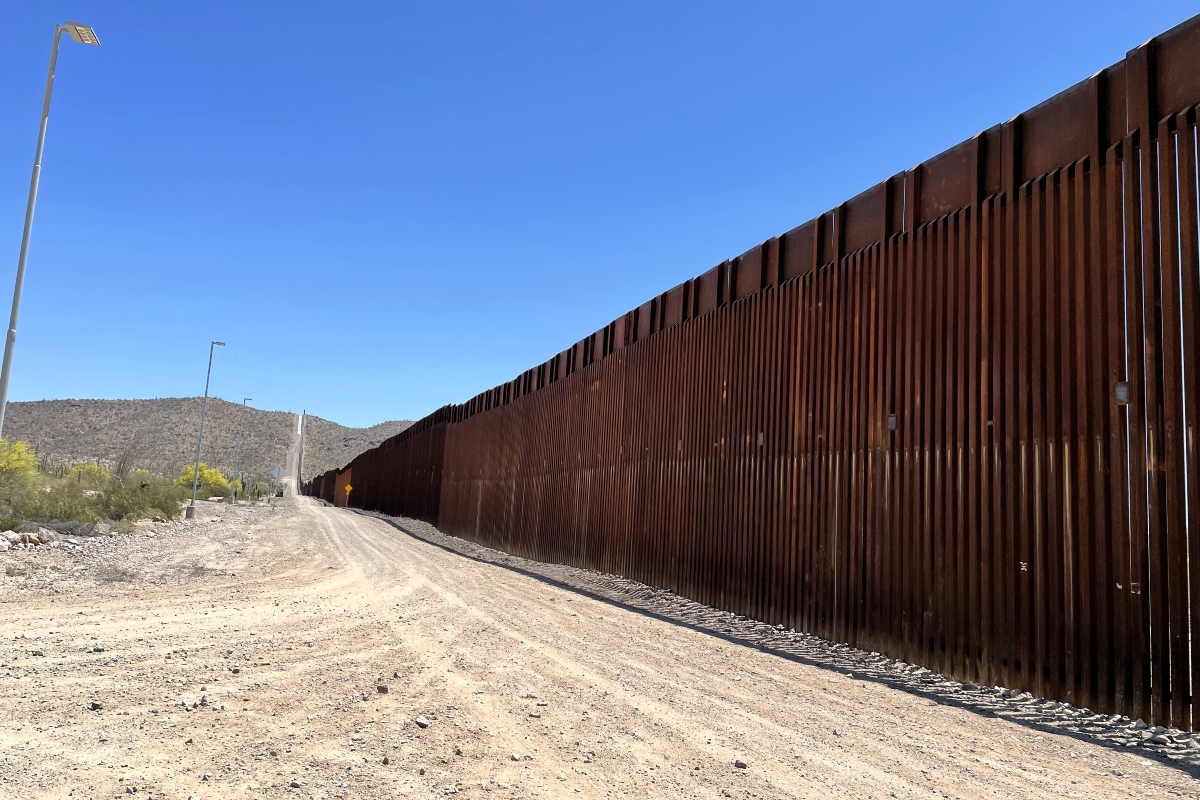
The U.S. Forest Service will restrict access to several areas in southern Arizona as construction related to the border wall with Mexico moves forward.
The order will take effect at midnight on Monday and remain in place until January 20, 2029, according to information released by the agency.
The closures will have a significant impact around Nogales, a border city neighboring Sonora and surrounded by public lands and natural areas in southern Arizona.
The agency justified the measure on public health and safety grounds as infrastructure and security projects continue along the border.
Why it matters: The closure will restrict public access to federal lands used for recreational activities and located near sensitive ecosystems for more than two years.
The fact: Entering without authorization can result in fines of up to $5,000 for individuals and $10,000 for organizations, as well as up to six months in prison.
Who Can Enter Arizona’s Closed Areas?
The US Forest Service will close access to public lands in Arizona until January 2029 due to border wall construction. Congresswoman Adelita Grijalva demands transparency and urges protection of sensitive ecosystems. 🧵👇 https://t.co/eJuPeyZFy7
— Diario de México (@ddmexico) September 30, 2026
The order includes exceptions. Emergency crews carrying out official duties will be allowed to enter the restricted areas during the border wall closure.
Certain licensed hunters will also be exempt when they need to enter the areas to retrieve legally hunted animals, under the established conditions.
YOU MAY BE INTERESTED: Trump Uses National Security Funds for Pre-Election Ads
The process: The restrictions accompany border infrastructure work as authorities seek to keep visitors away from areas where workers and heavy machinery will be operating.
What you can do: Before visiting federal lands near the border, travelers should check current U.S. Forest Service orders and maps to avoid entering restricted areas.
Other federal lands in southern Arizona have already faced restrictions related to border security activities. The BLM, for example, closed 29.1 acres in Santa Cruz County for security-related work.
Grijalva Questions Border Wall-Related Closure
Democratic Representative Adelita Grijalva of Arizona questioned the scale and duration of the measure and argued that the government should provide greater transparency about the work.
The congresswoman said the affected lands include sensitive ecosystems and questioned the prolonged restriction without prior public consultation.
The dispute comes after other clashes over border construction. In May, a DHS contractor damaged Las Playas Intaglio, a 1,000-year-old cultural site on Tohono O’odham Nation territory.
Grijalva has also previously called for border wall projects to be halted until there is greater dialogue with the Tohono O’odham Nation over sovereignty, natural resources, and culturally significant sites.
Border Wall Faces Renewed Environmental Criticism
Border construction has fueled a broader dispute over security, access to public lands, tribal sovereignty, and environmental protection in southern Arizona.
One sensitive area is Quitobaquito Springs, an oasis that provides habitat for endangered species and holds cultural significance for the Tohono O’odham Nation.
Tribal representatives have questioned the need for new sections of the wall and continue to raise objections over their potential cultural and environmental effects.
For residents and visitors, the immediate consequence is practical: checking restrictions before entering federal lands near the border, since failure to comply can result in penalties.
Sources: Efe, Telemundo.