Bad News for Trump: Polls and History Put Republican Control of Congress at Risk


Posted on 10/23/26 at 15:10
- Decision Desk HQ election forecasts give Democrats an edge in the battle for both chambers.
- Republicans face a historical trend of midterm losses for the president’s party.
- Trump is intensifying his campaign efforts ahead of the November elections.
The 2026 midterm elections could reshape control of Congress. With fewer than two weeks remaining before the November 3 elections, President Donald Trump faces a challenging political environment as Republicans work to defend their narrow congressional majorities.
Election forecasting models currently assign Democrats a greater chance of winning control of both chambers, while historical data show that the president’s party typically loses seats in midterm elections.
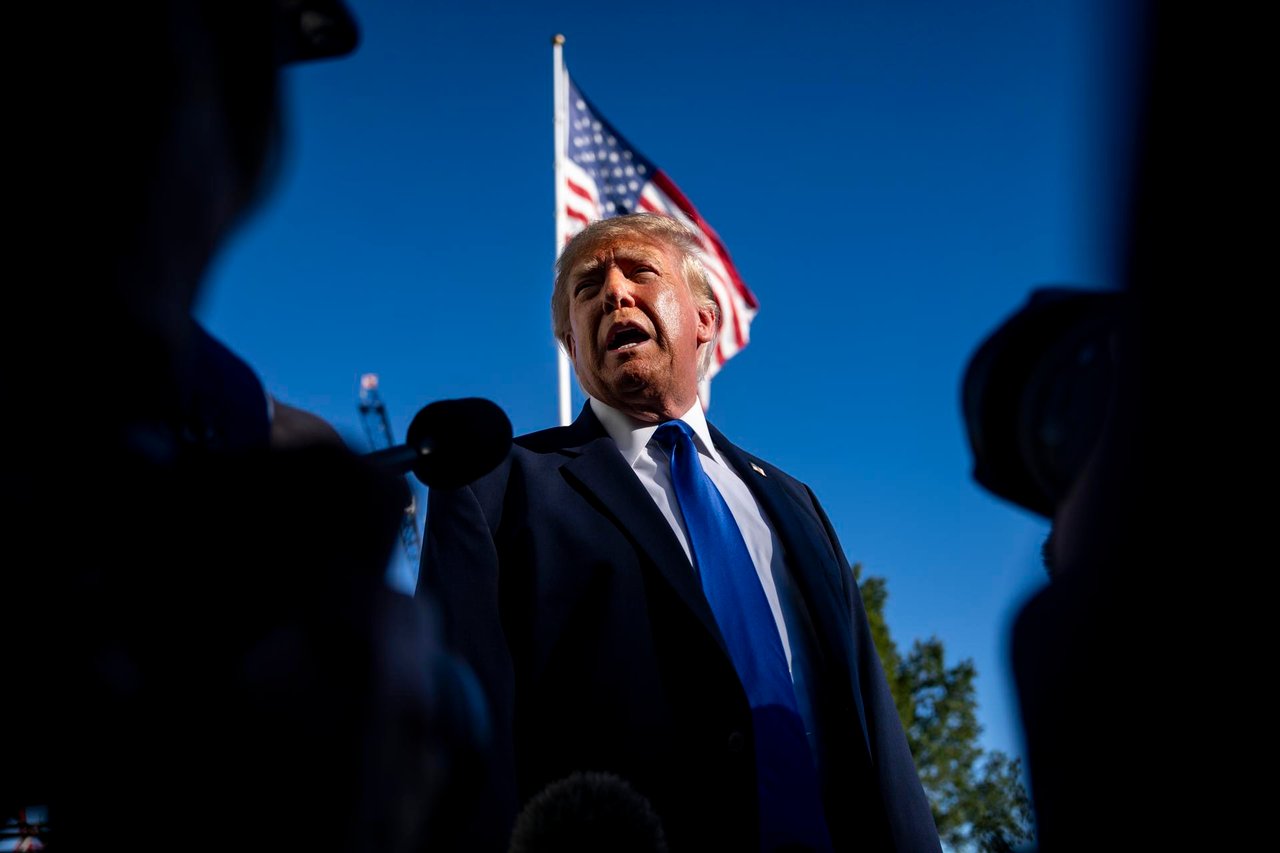
According to an analysis by EFE journalist Eduard Ribas i Admetlla, Trump has stepped up his campaign rallies to mobilize Republican voters and help his party maintain control of Congress.
2026 Midterm Elections: Forecasts Show Challenges for Republicans
According to Decision Desk HQ’s October 22 forecast, Democrats have a 78% modeled probability of winning the House of Representatives and a 57% probability of gaining control of the Senate.
These figures represent estimated probabilities of controlling each chamber, not voter support percentages or guaranteed election outcomes. The political environment has been shaped by concerns over inflation, gasoline prices, and the war in Iran.
Trump remains a prominent figure in Republican campaign efforts, urging his supporters to turn out for the midterm elections even though his own name will not appear on the ballot.
What Happened to Republicans in Trump’s First Midterm Elections in 2018?
During Trump’s first presidential term, Republicans suffered a major setback in the 2018 midterm elections, losing a net 41 seats in the House of Representatives.
Democrats regained control of the House that year, although Republicans gained two additional seats in the Senate.
Former President Barack Obama also experienced substantial midterm losses. His Democratic Party lost 63 House seats in 2010 and another 13 in 2014.
In the 2022 midterms, during Joe Biden’s presidency, Republicans gained nine House seats and reclaimed control of the chamber, while Democrats maintained control of the Senate.
Only Three Midterm Elections Broke the Historical Trend
U.S. electoral history shows that the party controlling the White House has rarely gained seats in the House of Representatives during midterm elections.
Over the past century, only three midterm elections have resulted in the president’s party increasing its representation in the House.
In 1934, Democrats gained nine House seats under President Franklin D. Roosevelt amid support for his New Deal economic policies.
In 1998, Democrats gained four House seats during Bill Clinton’s presidency, amid strong economic conditions and public reactions to Republican efforts surrounding the Monica Lewinsky scandal.
In 2002, Republicans gained eight House seats under President George W. Bush, during a period of strong presidential approval following the September 11 terrorist attacks.
However, those results were exceptions to the broader historical pattern. The same presidents also experienced significant congressional losses in other midterm elections.
Trump Faces Narrow Republican Majorities in Congress
Republicans currently hold 219 seats in the House of Representatives, compared with 214 for Democrats, according to congressional figures cited by EFE.
In the November 3 elections, all 435 House seats and approximately one-third of the Senate’s 100 seats will be contested.
With Trump’s approval rating hovering around 38%, Republicans are seeking to preserve their congressional majorities and the president’s ability to advance his legislative agenda during the remaining two years of his term.
The November 3 results will determine whether Republicans retain control of Congress or Democrats gain a majority in one or both chambers, with potentially significant consequences for the administration’s legislative priorities.