Trump Signs Order to Make Housing More Affordable in the U.S.: Who Could Benefit?


Posted on 10/23/26 at 11:00
The measure aims to reduce mortgage expenses and facilitate the construction of prefabricated homes, but its benefits will depend on how federal agencies apply the new instructions.
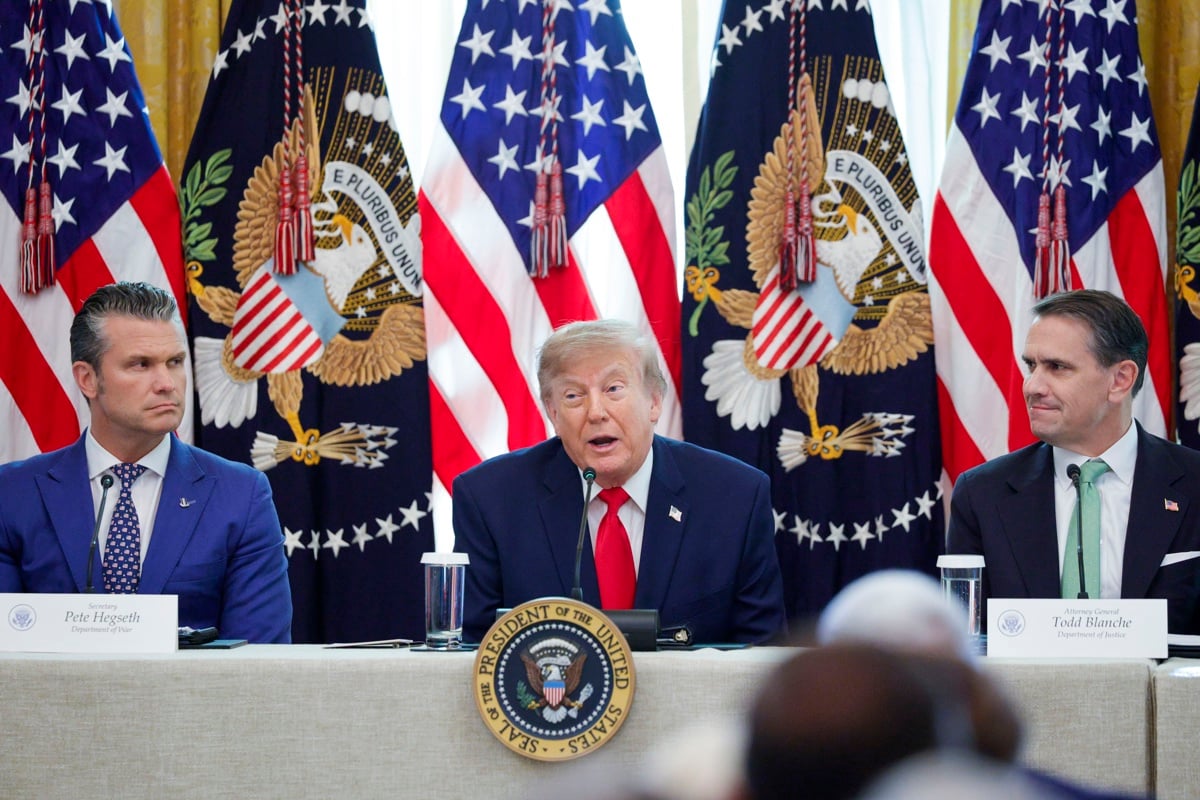
President Donald Trump signed an executive order on Thursday, October 22, to reduce housing costs in the United States, according to POLITICO.
Why it matters: The measure comes less than two weeks before the midterm elections, when housing prices and mortgages are a concern for many voters.
Trump Signs Executive Order to Make Housing More Affordable
President Donald Trump signed an executive order Thursday designed to bring down housing costs, addressing voters’ affordability concerns less than two weeks before the midterm elections. https://t.co/IlmXW041SW
— NEWSMAX (@NEWSMAX) October 23, 2026
The order instructs several federal agencies to review mechanisms that increase housing financing costs and hinder access to property. One of the main changes corresponds to the Federal Housing Finance Agency (FHFA), which oversees fundamental institutions in the U.S. mortgage market. The FHFA must develop a pilot program to proactively cancel mortgage insurance for certain homeowners with government-backed loans.
The fact: The cancellation would be aimed at eligible borrowers. It does not mean that all homeowners will automatically stop paying this insurance.
Mortgage insurance protects the lender from certain defaults. Its cost can represent a significant additional expense for families. The agency must also expand a program that allows the use of less expensive alternatives to title insurance to access certain mortgages.
Veterans and Rural Buyers, Among Possible Beneficiaries
🚨 JUST IN: President Trump signs a new executive order to bring down the cost of owning a home
FHFA Director Bill Pulte: «HUGE WIN FOR AMERICA!!!»
More AFFORDABILITY WINS! This president cares 🇺🇸
https://t.co/Uv0TkgJ9Gh— 𝑃𝑎𝑟𝑜𝑑𝑦 Donaldo Trumpo Nesara Global (@IlDonaldo20061) October 22, 2026
The order also includes instructions for the Departments of Veterans Affairs and Agriculture, which are responsible for federal housing financing programs. Both departments must work to reduce interest rates on mortgages for single-family homes within their respective programs.
YOU MAY BE INTERESTED: New York sets a date for the end of horse-drawn carriages
These mechanisms serve different groups of buyers, including veterans and people seeking to purchase homes in eligible rural areas.
What changes: The agencies receive instructions to seek less expensive loans, but the order does not establish an immediate and general reduction in mortgage rates. The scope will depend on the subsequent decisions of each department and the requirements applicable to the different programs.
Prefabricated Homes Enter Trump’s Plan
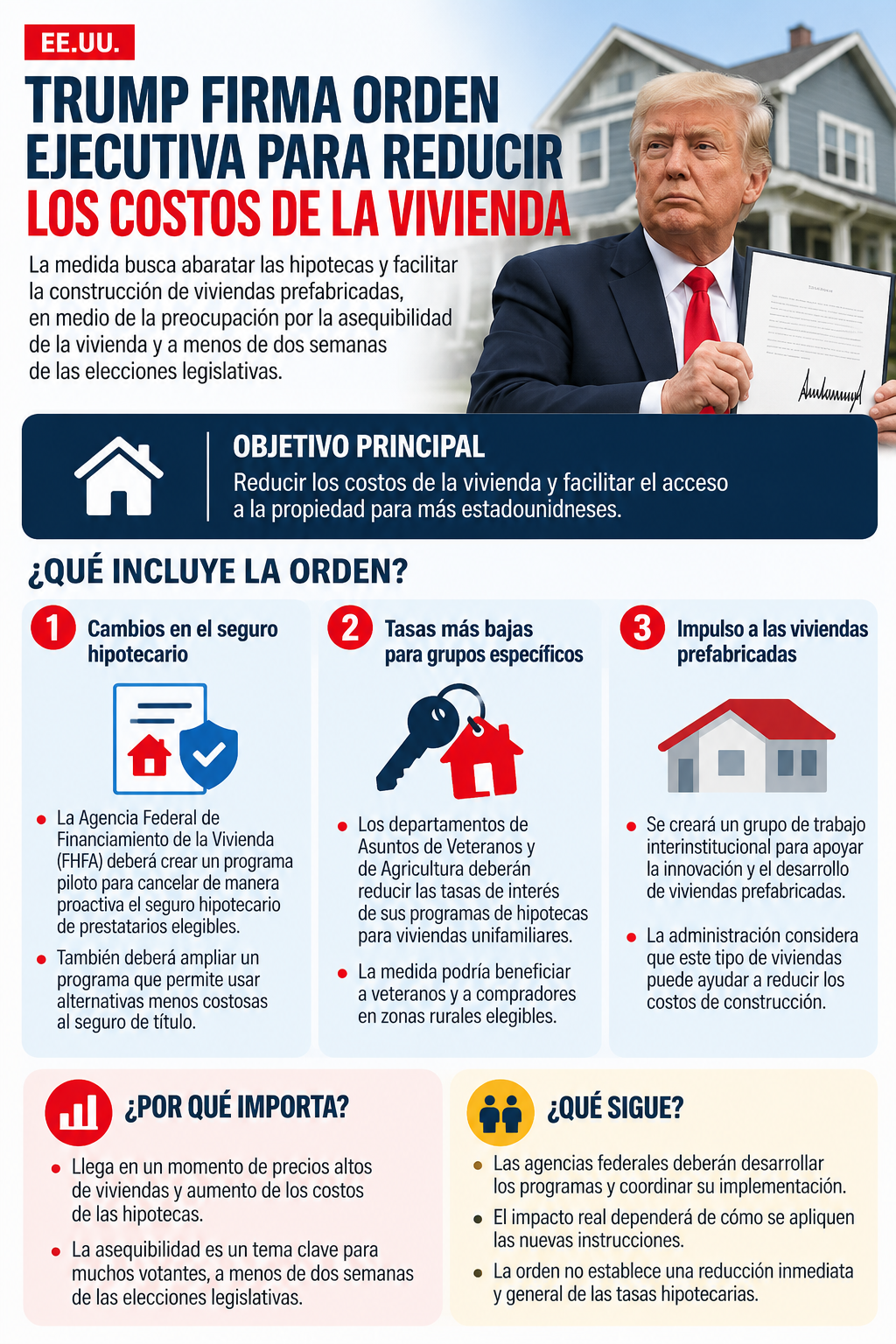
Another presidential priority is to promote prefabricated homes as an alternative to the increasing construction costs. The order establishes an interagency working group to support innovation and development of this type of housing. The administration considers that these models can contribute to reducing certain expenses associated with the production of new housing units.
The process: The group must coordinate efforts between agencies. The provided information does not establish specific deadlines for achieving results.
Housing Becomes a Key Issue Before the Elections
The decision comes as the real estate market faces difficulties related to high financing costs and limited buying and selling activity. The White House argues that reducing bureaucracy and expenses associated with property ownership will help more Americans buy a home. However, the order does not set maximum prices, does not guarantee cheaper mortgages for all, and does not establish universal subsidies for buyers.
What’s next: The agencies must develop the ordered initiatives. Their real impact will depend on implementation and how many borrowers meet the requirements.
The main question is when these instructions can become concrete savings for families, beyond the presidential announcement.