Arizona Seeks to Toughen Citizenship Test for Voting: Supreme Court to Decide Limits


Posted on 10/23/26 at 22:30
- The Supreme Court will hear arguments on Arizona's proof-of-citizenship voting requirements on December 8.
- Arizona's requirements face federal legal review.
- A separate lawsuit raises concerns about eligible voters being removed from registration rolls.
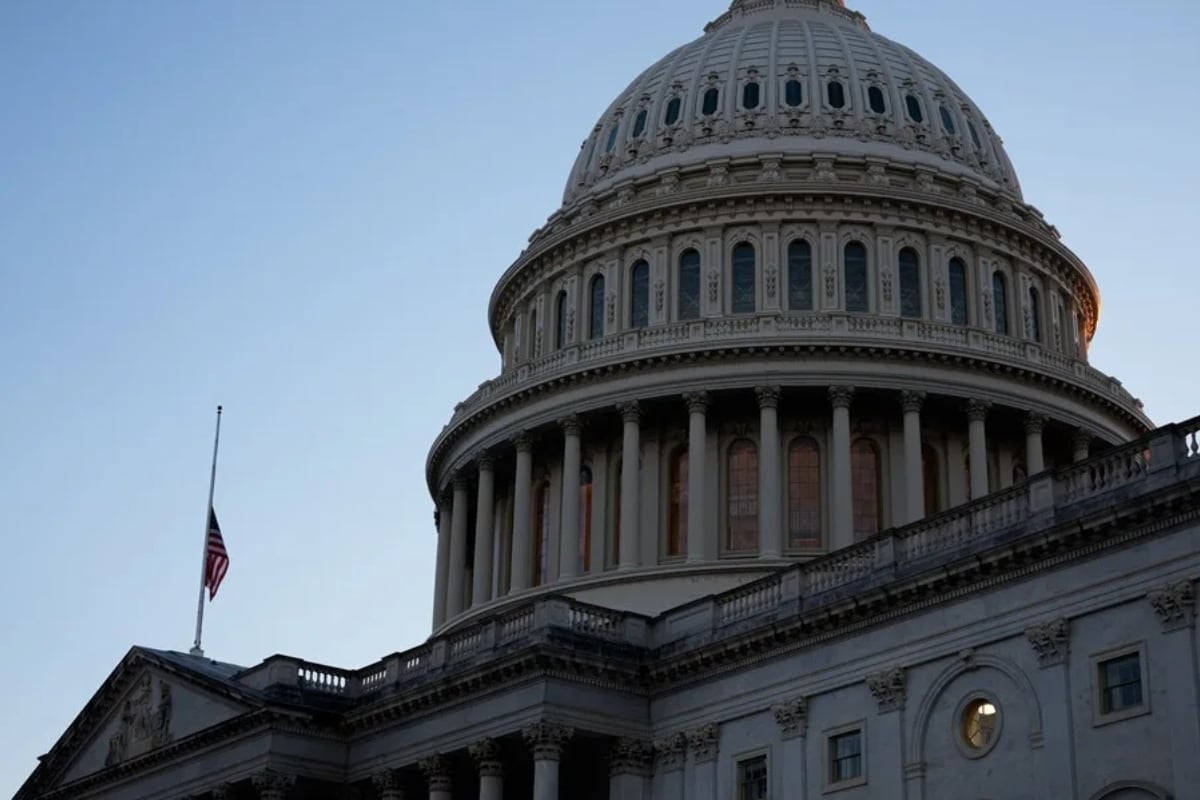
Arizona's proof-of-citizenship voting law is heading to the U.S. Supreme Court, which is scheduled to hear oral arguments on December 8 in a case that could determine how states verify citizenship during voter registration.
The case, Republican National Committee v. Mi Familia Vota, stems from legal challenges brought by Mi Familia Vota and other organizations against two Arizona laws enacted in 2022.
The dispute involves documentary proof of citizenship, restrictions affecting participation in federal elections, and voter roll removals shortly before Election Day, with potential implications for other states.
Because the hearing will take place after the November 3 elections, its scheduling does not authorize immediate enforcement of the disputed provisions.
What Proof of Citizenship Does Arizona Require to Vote?
[caption id="attachment_1697990" align="alignnone" width="1200"]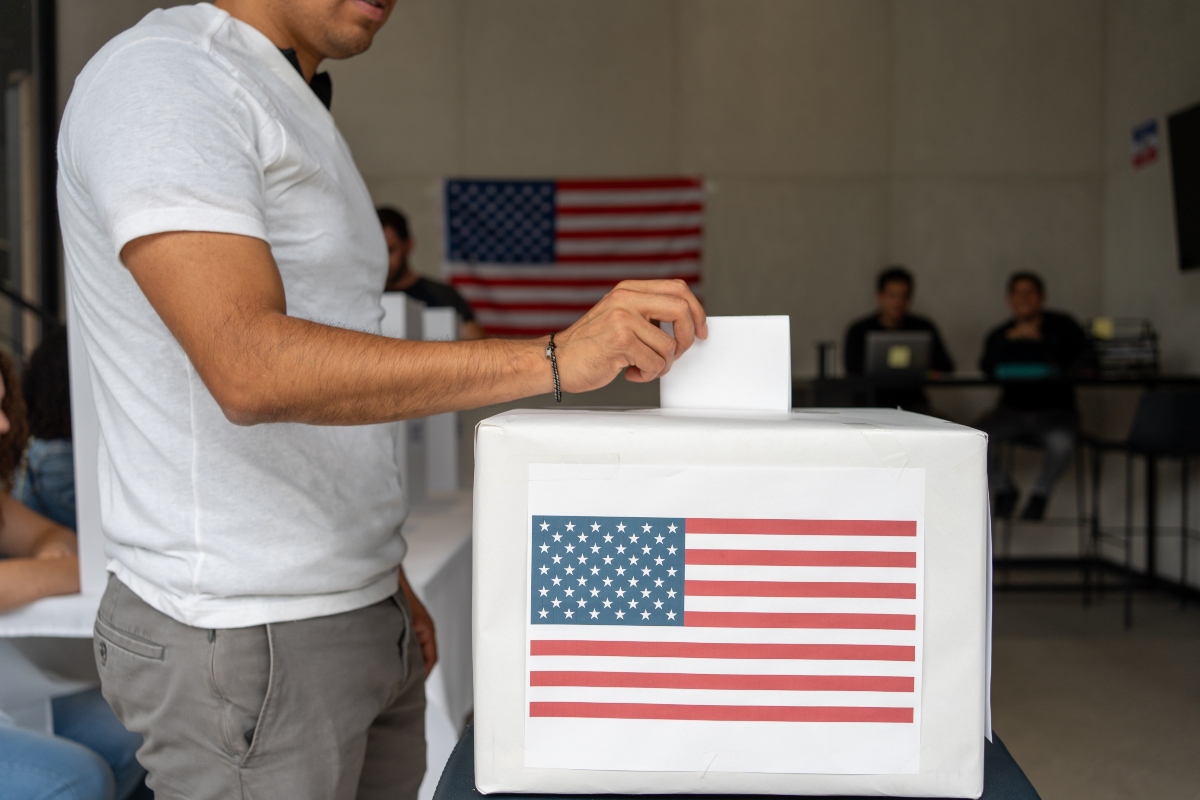 Arizona Proof of Citizenship Voting Law Heads to Supreme Court on December 8 - PHOTO: SHUTTERSTOCK[/caption]
Since 2004, Arizona has required documentary proof of U.S. citizenship for full voter registration, which allows eligible citizens to participate in state and local elections.
However, Arizona also has a category of "federal-only" voters. These are U.S. citizens who have not provided documentary proof of citizenship but have attested to their citizenship under penalty of perjury.
This system allows eligible citizens to vote in federal elections without submitting additional citizenship documents. It does not change the requirement that voters must be U.S. citizens.
The legal dispute centers on which documentary requirements Arizona can impose and whether those requirements conflict with federal voter registration protections.
Which Arizona Voting Restrictions Are Being Challenged?
[caption id="attachment_1697991" align="alignnone" width="1200"]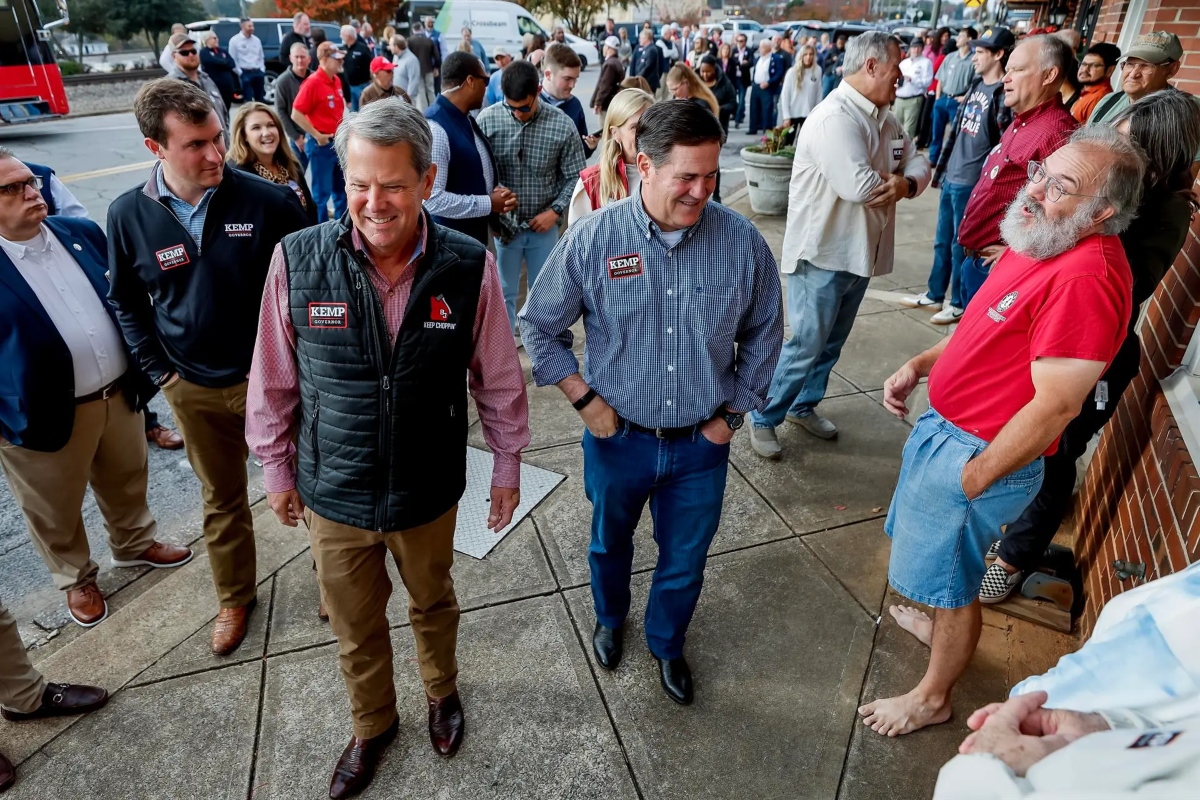 Arizona Proof of Citizenship Voting Law Heads to Supreme Court on December 8 - PHOTO: EFE[/caption]
The two laws signed by former Arizona Gov. Doug Ducey in 2022 sought to tighten voter registration requirements and expand citizenship verification procedures.
Among the disputed provisions are restrictions on mail-in voting and participation in presidential elections for federal-only voters who have not submitted documentary proof of citizenship.
The legislation also allows systematic reviews and removal of suspected noncitizens from voter registration rolls within the 90 days preceding a federal election.
Lower federal courts blocked several provisions after finding conflicts with federal voting laws. The Republican National Committee, supported by the Trump administration, is asking the Supreme Court to overturn those decisions.
Maricopa County Faces Separate Lawsuit Over Voter Roll Removals
A separate lawsuit involving Maricopa County highlights concerns about eligible U.S. citizens being incorrectly classified as ineligible to vote.
According to a lawsuit described by Arizona Mirror, 25 U.S. citizens remained excluded from the voter rolls even after authorities verified their citizenship.
The dispute followed voter eligibility reviews involving SAVE, a federal database used to verify immigration and citizenship information.
YOU MAY BE INTERESTED IN: Trump claims he has the right to seek a third term because he was "cheated" in 2020
The allegations illustrate why database results may require additional verification before election officials determine whether someone is eligible to vote.
What the Supreme Court Case Means for Hispanic Voters
For Hispanic voters, including naturalized U.S. citizens, the case raises questions about how citizenship must be documented and how eligible voters can challenge administrative errors.
Supporters of Arizona's restrictions argue that stronger citizenship verification protects election integrity. Organizations challenging the laws contend that the requirements could create barriers for eligible voters and conflict with federal protections.
The Supreme Court will consider the legal limits of these measures. Scheduling oral arguments does not mean the justices have issued a final ruling or determined how the case will be resolved.
While the litigation continues, Arizona voters can verify their registration status through election officials and respond promptly to any notices requesting additional documentation.
SOURCE: azmirror, newsfromthestates