U.S. Closes in on Iran: 100 Ships Blocked and Oil Hits $100


Posted on 09/13/26 at 15:26
- 100 ships were diverted
- WTI exceeds $100
- Iran seeks safe routes
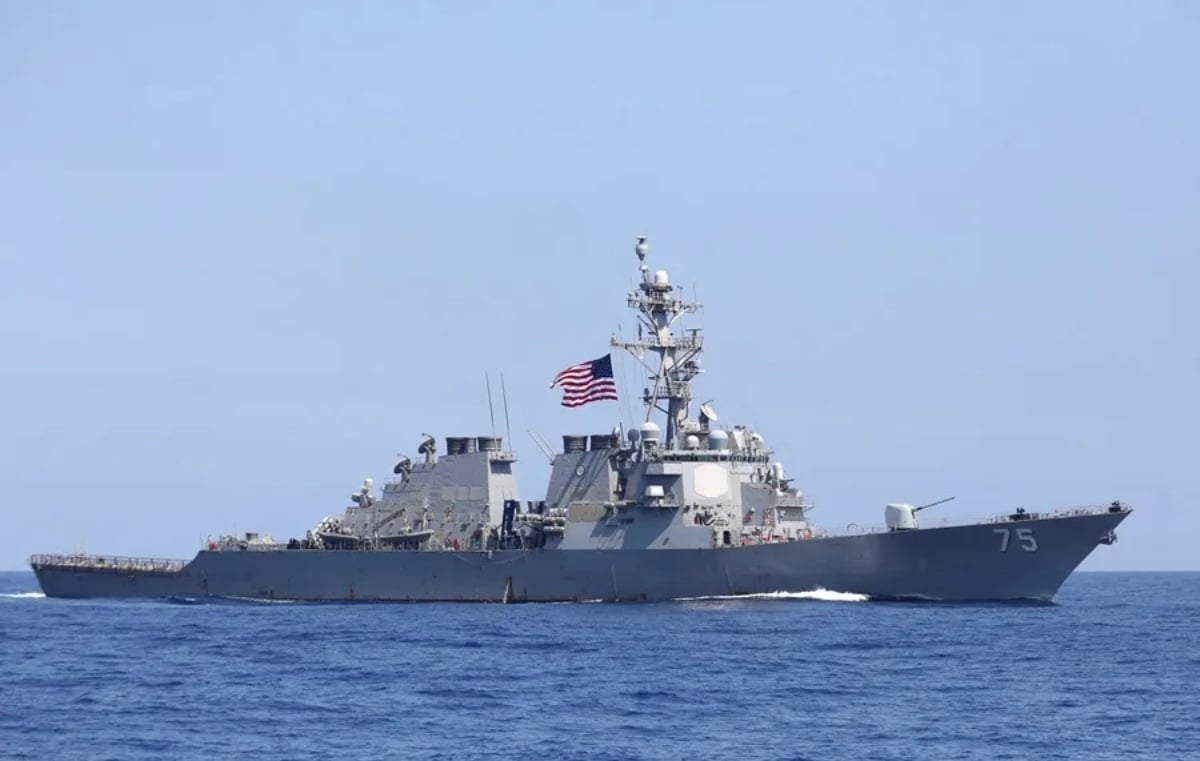
The United States has prevented the transit of 100 commercial vessels to or from Iranian ports during the first 60 days of the new maritime blockade.
The US Central Command (Centcom) reported that US forces diverted these vessels since the operation against Iran was resumed.
According to Centcom, no ship has managed to cross the blockade without US authorization, while troops remain focused on maintaining maritime control.
The operation increases pressure on one of the planet’s most important energy routes and coincides with a new military escalation between Washington and Tehran.
Why it matters: The Strait of Hormuz concentrated nearly 20% of the world’s crude oil before the war, so any interruption can affect energy markets.
US Blockade of Iran Blocks 100 Ships in 60 Days
The United States has prevented the transit of a hundred commercial vessels with destination or origin in Iranian ports, as part of the new maritime blockade imposed by Washington amid growing tension in the Strait of… pic.twitter.com/jeL2yTAnY7
— debate.do (@midebate) September 13, 2026
The current phase of the blockade began on July 14, after President Donald Trump ended the ceasefire framework agreement signed on June 17.
Washington made the decision in response to persistent Iranian attacks on vessels transiting through Hormuz, according to the information provided.
YOU MAY BE INTERESTED: Trump touches on an explosive topic in Ireland: what sparked his comment?
This is not the first operation of its kind: between April 13 and June 18, US forces diverted more than 140 vessels.
During that phase, nine vessels that disobeyed orders were also disabled, while more than 50 ships with humanitarian aid received authorization to continue.
Oil Exceeds $100 as Tensions Rise in Hormuz
The United States prevents the passage of 100 commercial ships after two months of the new maritime blockade against Iran.https://t.co/vYkQ37Xq9C
— EFE News (@EFEnoticias) September 12, 2026
The scenario deteriorated again on August 30, when the United States and Iran resumed their cross-attacks after weeks of tension.
The impact is already affecting the energy market: Texas intermediate oil (WTI) ended the week at $100.50 per barrel.
The importance of Hormuz makes the conflict a risk that transcends both countries, especially for economies dependent on oil and fuel imports.
A prolongation of the maritime restrictions could maintain pressure on crude oil, although prices also depend on global production, demand, and expectations.
Iran Seeks Alternative Routes as Trump Anticipates End of War
Iran announced that it will discuss with Oman the creation of provisional and safe maritime routes to maintain commercial navigation through the strait.
The meeting is scheduled for Monday in Muscat and will also include representatives from Arab countries in the Persian Gulf.
Meanwhile, Trump stated on Saturday in Ireland that the war will end «right after the midterm elections,» scheduled for November 3.
The president added that then «oil will soon fall,» linking the eventual end of the conflict to a possible reduction in energy prices.