War With Iran Exposes Trump’s Contradictions: Strategy or Improvisation?


Posted on 08/27/26 at 16:44
Six months after an offensive initially presented as a quick operation, Washington is combining sanctions, diplomacy and military threats without a clear exit from the conflict.
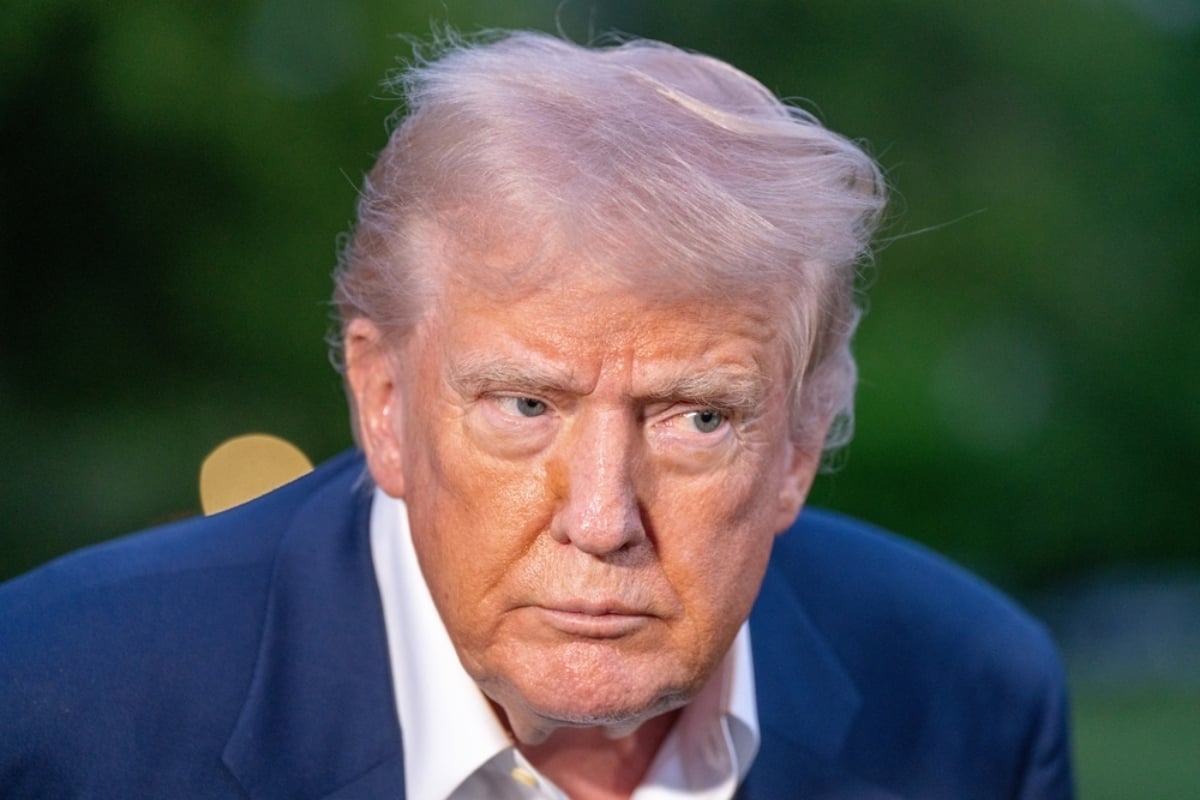
Donald Trump has proclaimed progress and victories in Iran, but six months of war leave one unanswered question: what is the objective now that would allow the conflict to end?
- Why it matters: The prolonged conflict is testing the credibility of Trump and the United States, while Tehran continues to resist and the Strait of Hormuz remains restricted.
From “Total Victory” to a Six-Month War
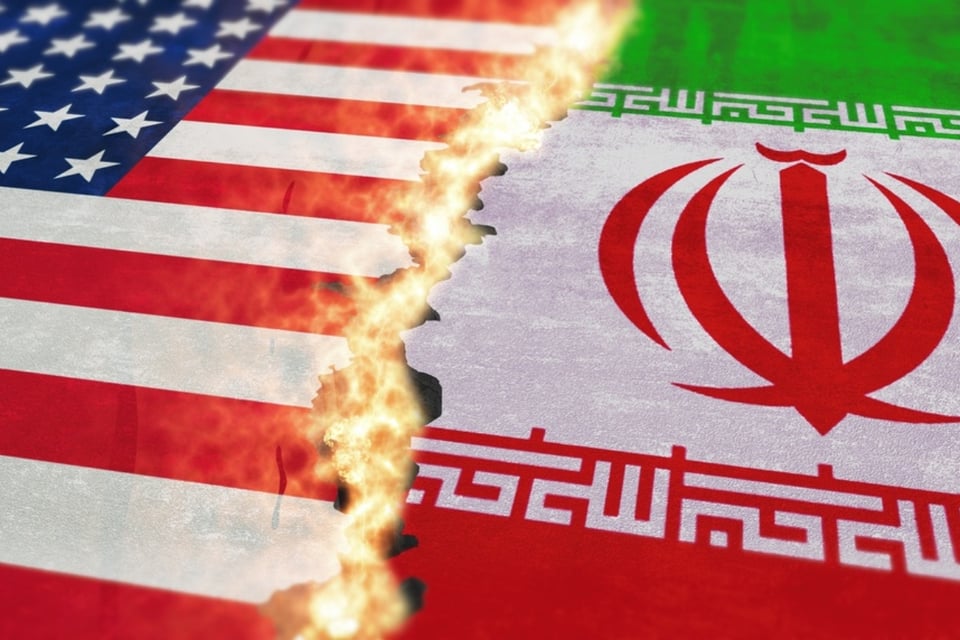
Operation Epic Fury began on February 28. Trump initially said the war could be resolved within a few weeks.
In the months that followed, he described the operation as “nearly completed,” proclaimed a “total victory” and notified Congress that direct hostilities had ended, according to EFE.
However, Iran has not capitulated, and talks aimed at reaching a lasting resolution remain stalled.
- The contrast: Trump has said Washington controls Hormuz, but EFE reported that recent traffic was running about 90% below normal levels.
- The problem: Tehran has also repeatedly denied U.S. announcements about negotiations or imminent agreements.
Douglas A. Rediker, an economist at Brookings, told EFE that sudden shifts have always characterized Trump, but the war has made his contradictions more visible.
Washington’s Objectives Have Also Changed
At the beginning of the conflict, the stated goals included preventing Iran from developing a nuclear weapon and encouraging regime change.
Later, the emphasis shifted toward destroying military and nuclear capabilities. Now Washington is placing greater focus on economically weakening the Iranian government.
The analysis published by EFE raises precisely that distinction: Trump may be deploying a series of tactics without a clearly identifiable end strategy.
- The criticism: Garren Martin, a professor at American University, believes adversaries and markets pay less attention to statements that can change quickly.
The Council on Foreign Relations points to another limitation: military escalation threatens U.S. bases and allies, while tougher sanctions could create economic friction with China.
The White House Defends a Flexible Iran War Strategy
The Trump administration offers a different interpretation. Its officials argue that combining military force, blockade measures, sanctions and negotiations gives Washington more options for pressuring Tehran.
Axios reported that senior U.S. officials believe financial pressure could ultimately damage the Iranian regime more than bombing campaigns.
Washington has intensified that approach through the “Economic Pariah” operation, targeting Iranian revenue from oil, maritime shipping, gold, technology and digital assets.
- The official position: The White House says Trump prefers a diplomatic solution but is keeping other options open if Iran continues its actions in Hormuz.
- The warning: Pentagon chief Pete Hegseth confirmed that additional military strikes have not been ruled out.
Trump Still Needs to Define How the War Ends
Unpredictability can serve as a negotiating tactic if it forces an adversary to constantly calculate the next U.S. move.
But after six months, its effectiveness depends on producing a verifiable outcome that allows the conflict to end.
A lasting ceasefire, guarantees regarding Iran’s nuclear program and the normalization of traffic through Hormuz could become decisive tests of any agreement.
- What comes next: Washington is betting that economic pressure will bring Tehran closer to negotiations without requiring a larger military escalation.
Until then, the question surrounding the Trump Iran war strategy will remain open: if Iran neither capitulates nor undergoes regime change, what would Trump need to achieve to truly declare the war over?
YOU MAY ALSO BE INTERESTED IN: U.S. Warns of Potential Threat in Mexicali, Orders People to Avoid Government Buildings
SOURCE: EFE / Council on Foreign Relations / Axios