Texas, Michigan, and Missouri Reshape the Political Map: Predictions for November


Posted on 09/26/26 at 22:24
- Texas hosts competitive races.
- Michigan disputes a key seat.
- Missouri preserves the electoral map.
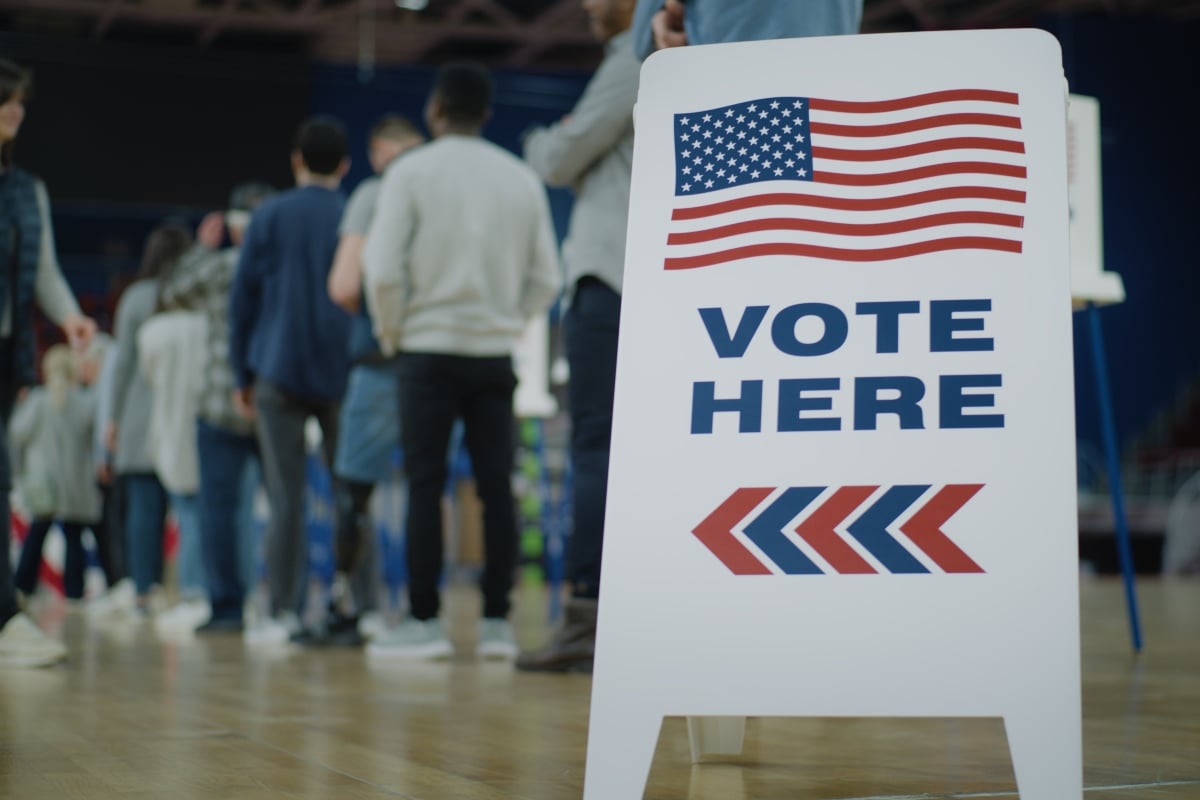
Texas returned to the center of the political conversation this week with five contests under special attention: the elections for the Senate and the Governor’s office, as well as the races for congressional districts TX-15, TX-28, and TX-34, three areas in the southern part of the state with a significant presence of Hispanic voters.
In the Senate race, Democrat James Talarico faces Republican Ken Paxton. A poll by Emerson College/Nexstar conducted from September 12 to 14 among 1,000 likely voters recorded 47% for Talarico and 46% for Paxton, a difference within the study’s margin of error.
The Governor’s office is also in the spotlight. Republican Greg Abbott is seeking another term against Democrat Gina Hinojosa, while different polls have shown different results. Emerson/Nexstar recorded 49% for Abbott and 46% for Hinojosa, underscoring the need to interpret each poll in light of its methodology and margin of error.
The Hispanic vote will be another relevant indicator to observe. In addition to the state contests, TX-15, TX-28, and TX-34 will allow measuring the preferences of communities in southern Texas, where issues such as the economy, cost of living, health, and immigration are part of the electoral conversation leading up to November 3.
Michigan Tries to Close Divisions in a Senate Battle
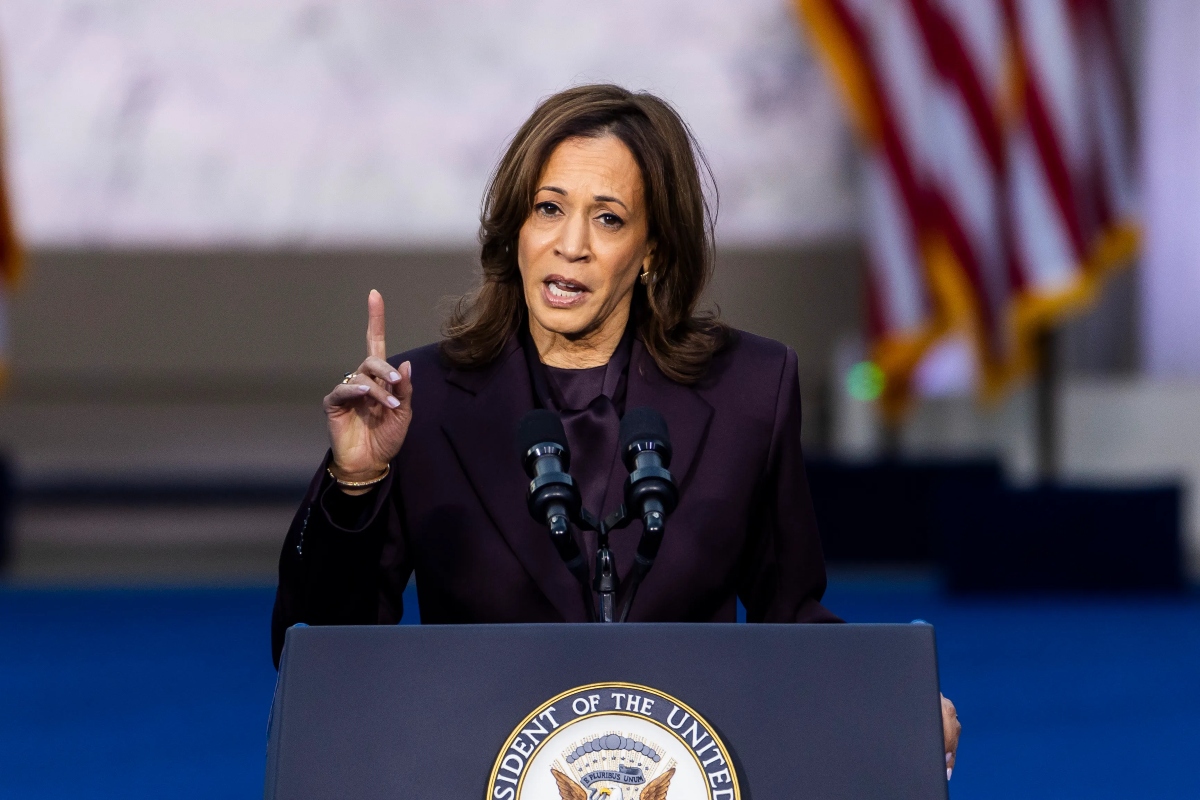
Michigan also occupied the political agenda after Kamala Harris campaigned in Detroit alongside Democratic candidate Abdul El-Sayed, despite differences that arose between different sectors of the party during the 2024 elections over the war in Gaza and US policy towards Israel.
El-Sayed faces Republican Mike Rogers for the seat being left by Democratic Senator Gary Peters. A Washington Post-Schar School poll placed El-Sayed with 48% and Rogers with 45% among likely voters, a difference within the poll’s 3.9-point margin of error.
Harris’s appearance aims to reinforce Democratic mobilization while El-Sayed tries to unite progressives, black voters, and other sectors of his party. Rogers, on the other hand, seeks to expand his support among independents and voters who do not fully identify with his Democratic rival.
The contest is now entering a more intense phase with the advance of absentee voting and the approach of November 3. Polls offer a temporary snapshot of voter preferences, but their differences are subject to margins of error and do not allow for establishing the electoral outcome on their own.
Missouri Gets a Definition on Its Electoral Map
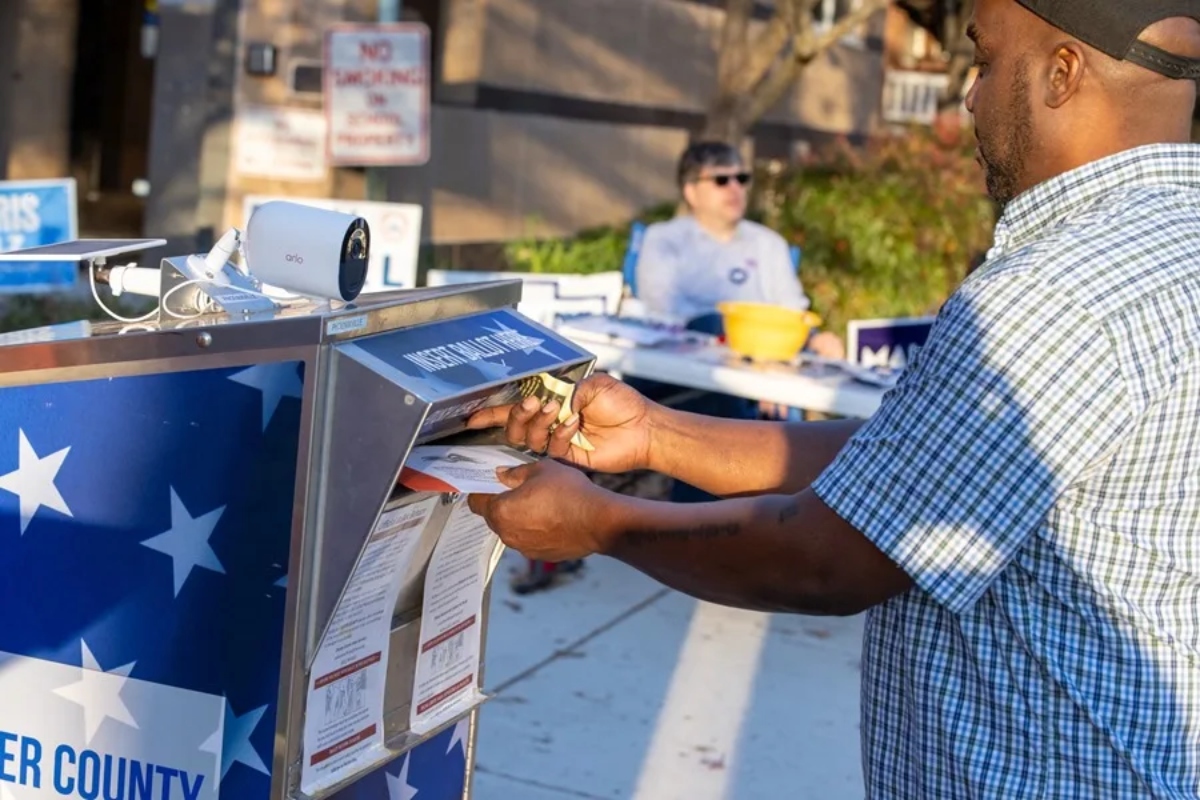
The judicial battle over Missouri’s congressional districts produced one of the week’s main political events after the US Supreme Court intervened again in the dispute over which map should be used in the November general elections.
Conflicts began after the state legislature approved a new design for the eight congressional districts in 2025. The redrawing modified the Kansas City area and prompted a campaign by People Not Politicians to take the new configuration to a state referendum.
Controversy intensified because Missouri held its August primaries under the new boundaries, while subsequent judicial decisions raised the possibility of returning to the previous map for the general election — the succession of state and federal rulings generated uncertainty about which districts would ultimately be applied.
YOU MAY BE INTERESTED: Supreme Court gives temporary green light to SAVE before elections
The Supreme Court finally blocked the use of the 2025 map for the general elections and maintained the 2022 map. For voters, the decision makes it especially important to verify their district, candidates, polling place, and ballot through the corresponding electoral authorities before participating.
Congressional Control and the Hispanic Vote Mark the End of September
Texas, Michigan, and Missouri starred in different stories during the week. Still, all three converged on one issue: the political composition that will emerge from the November 3 midterm elections and the consequences of the different Senate and House races.
Texas offers a particularly important window to observe the Hispanic electorate. The state and southern district races will allow us to analyze how these voters are responding to issues such as the economy, taxes, health, immigration, and the cost of living, without assuming that the Hispanic population constitutes a uniform electoral bloc.
Michigan poses a different challenge: the ability of Democrats and Republicans to expand their respective coalitions in a contest for an open Senate seat. The internal differences that arose during the previous electoral cycle and the candidates’ positions on national issues continue to shape the campaign.
Missouri, meanwhile, shows how disputes over district redistribution can reach the Supreme Court when the electoral calendar is already advanced. With November approaching, polls, judicial decisions, party mobilization, and voter participation will continue to define the political conversation in the coming weeks.
SOURCES: USATODAY, thecentersquare, texastribune