Supreme Court Changes Political TV Ad Rates Ahead of November Elections


Posted on 09/09/26 at 15:00
- Supreme Court rules on political advertising
- Parties regain access to reduced rates
- Decision affects election campaigns
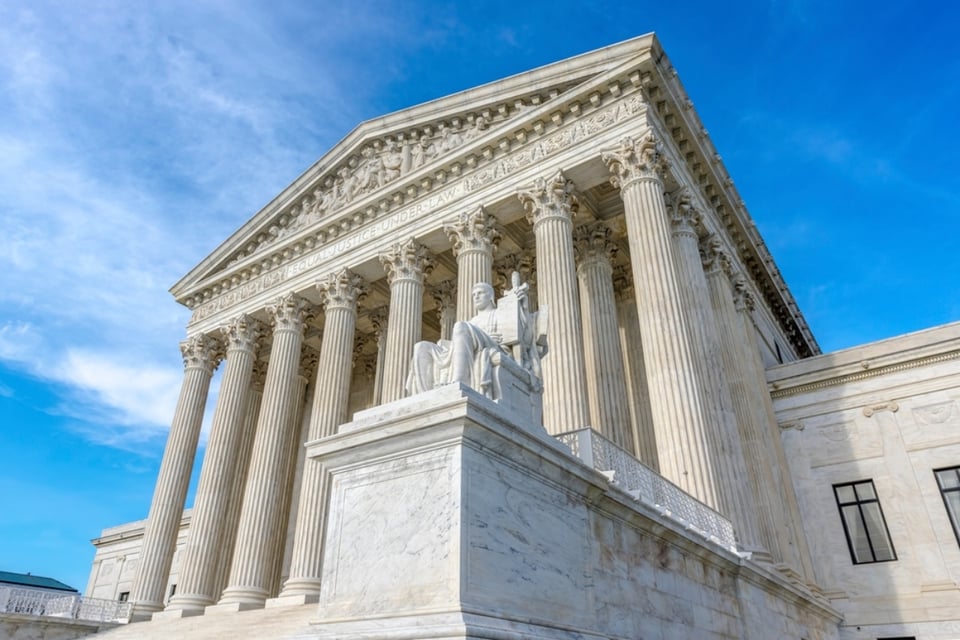
The US Supreme Court intervened in a dispute that could make some political television advertising less expensive as campaigns accelerate their spending before the November elections.
On September 4, the high court suspended an appeals court decision that had limited who could benefit from the lower advertising rates broadcasters must offer during an election period.
In practice, the order once again allows political parties and joint fundraising committees purchasing ads on behalf of candidates to access those reduced rates during the 60 days preceding a general election.
The dispute carries economic and electoral consequences: Paying less for each advertisement allows political organizations to purchase more television airtime with the same budget during the campaign’s decisive final weeks.
Supreme Court Intervenes in Political TV Ad Rates
Federal law requires broadcasters to offer eligible candidates their lowest unit rate during specific periods before an election, a protection intended to facilitate access to political advertising.
The dispute centered on a key question: Should the benefit apply only to purchases made directly by candidates, or should it extend to ads purchased on their behalf by parties and joint fundraising committees?
YOU MAY BE INTERESTED IN: Trump Rallies Republicans in Texas as New Poll Raises Warning Signs
The Federal Communications Commission (FCC) had determined that these organizations could also receive the reduced rates, but four Democratic candidates challenged that interpretation in court.
The Fourth Circuit Court of Appeals ruled in their favor, concluding that the FCC’s interpretation conflicted with the statutory text granting those rates to candidates.
Republicans Take Political Ad Dispute to Supreme Court
The National Republican Congressional Committee and National Republican Senatorial Committee then asked the Supreme Court to suspend the ruling while the legal dispute continued.
The Supreme Court granted the request, although it did not definitively decide which side is correct on the merits or establish a final interpretation of the law’s scope.
The justices indicated that the Fourth Circuit likely lacked jurisdiction because the candidates’ request for review was still pending before the FCC.
The majority also determined that the Republican committees would likely suffer irreparable harm without the suspension because higher advertising costs could limit their ability to reach voters before the November elections.
What the Decision Means for the Elections
The order is particularly significant because of its timing: It comes during the period when campaigns are intensifying television advertising purchases to persuade undecided voters and mobilize supporters.
The decision does not mean every political advertisement will become cheaper; instead, it temporarily preserves access to reduced rates for certain party organizations purchasing candidate-related election ads.
The order did not specify how each justice voted, although Justice Ketanji Brown Jackson noted her disagreement with the decision to suspend the lower court’s ruling.
Democratic FCC Commissioner Anna Gomez criticized the outcome and warned that, when combined with other recent campaign finance changes, it could substantially increase the financial influence of political parties and major donors, according to Político, CBS News, and UA News.