Paramount Agrees to Buy Warner Bros., Accepts New Conditions


Posted on09/22/26 at 10:38
- Paramount unlocks historic acquisition
- Warner faces massive transformation
- Hollywood will have a new giant
According to EFE, Paramount Skydance has reached an agreement with California and 11 other states to resolve the antitrust lawsuit that had been holding up its acquisition of Warner Bros. Discovery, eliminating one of the main obstacles to completing one of the largest operations in Hollywood’s history.
California Attorney General Rob Bonta led the coalition that questioned the operation, considering that merging two major film distributors and cable channel owners could reduce competition, limit production, and increase costs for consumers.
The agreement, which still requires judicial approval, establishes commitments for five years and replaces the battle to block the operation with a series of enforceable conditions aimed at protecting film production, workers, and competition in cable television.
Bonta emphasized that the pact does not represent a political or institutional endorsement of the merger. For the prosecutors, the agreement offers sufficient mechanisms to address the antitrust concerns originally raised in the markets included in their lawsuit.
Paramount will have to produce more movies under the agreement
Paramount reaches an agreement with a group of prosecutors to end the antitrust dispute, paving the way for the merger with Warner Bros. Discovery, according to US media reports.https://t.co/NSd8ohQLm3
— EFE Noticias (@EFEnoticias) September 21, 2026
One of the most important commitments directly affects movie releases: the resulting company will have to distribute 30 movies per year for the first two years and increase that number to 32 during the following three years.
Paramount will also have to release at least four independent films each year. Failing to meet the quotas could force it to divest Miramax and pay $30 million for each missing movie to reach the established annual target.
The agreement includes a minimum increase of $1.5 billion in US film production over five years compared to 2025 spending levels, a condition designed to maintain investments and job activity within the country.
This is in addition to a $47.5 million fund dedicated over five years to training and professional development for workers displaced as a result of the merger, as well as the commitment to respect existing collective bargaining agreements.
CNN, CBS, and HBO would be under a media giant
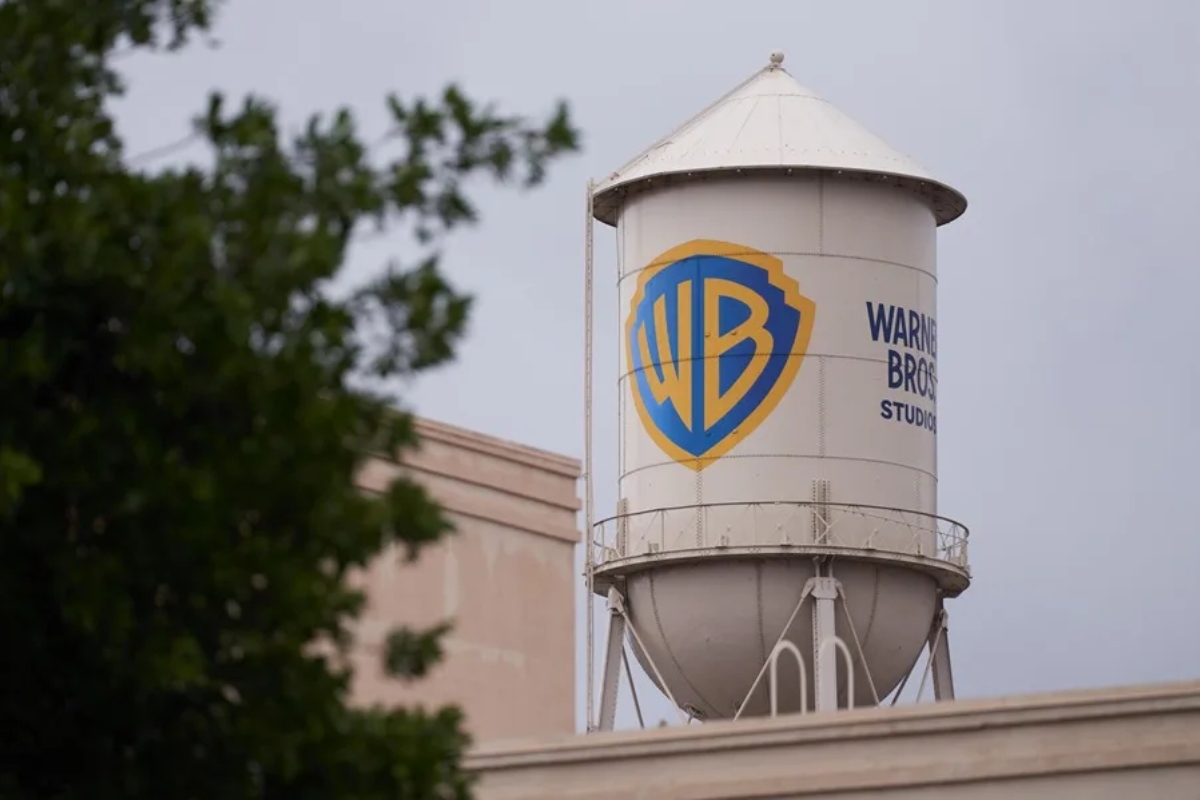
The operation would combine assets of enormous scope. Paramount controls brands such as CBS, Paramount Pictures, Comedy Central, and Paramount+, while Warner Bros. Discovery contributes businesses and brands that include Warner Bros., HBO, CNN, Discovery, and HGTV.
The concentration had generated concern because it would place two major film studios and large television, streaming, news, and entertainment operations under the same corporate structure, significantly increasing the scale of the resulting company.
The agreement obliges Paramount to negotiate contracts for its basic channels and Warner Bros.’s basic channels separately for five years, a measure designed to preserve some of the existing competition and contain potential price pressures.
A council for editorial independence will also be created for CNN and CBS, while Paramount will have to maintain a free streaming service similar to Pluto TV and maintain its current level of service and quality.
What’s left to close the Paramount and Warner Bros. merger
The understanding eliminates the blockade driven by state prosecutors, but the agreement still needs to be approved by the court. Paramount had previously assured that it had already obtained the necessary regulatory approvals in dozens of international jurisdictions.
An independent supervisor will oversee compliance with the assumed obligations, meaning that the commitments on production, workers, and competition will not depend solely on corporate promises over the next five years.
For audiences, the operation could result in a significant reorganization of some of the most well-known entertainment and news brands in the United States, although it will still be necessary to observe how the company structures its services and content after the closing.
The agreement thus transforms a judicial battle that threatened to block the purchase into a system of conditions and surveillance. The next step will be judicial approval, and then it will be necessary to verify whether Paramount complies with the established safeguards.