Latino Vote Gains Strength in Iowa: Pocketbook and Raids Put Trump to the Test


Posted on 10/19/26 at 10:05
- Economy and immigration mark concerns.
- LULAC predicts higher Latino participation.
- Iowa will vote on November 3.
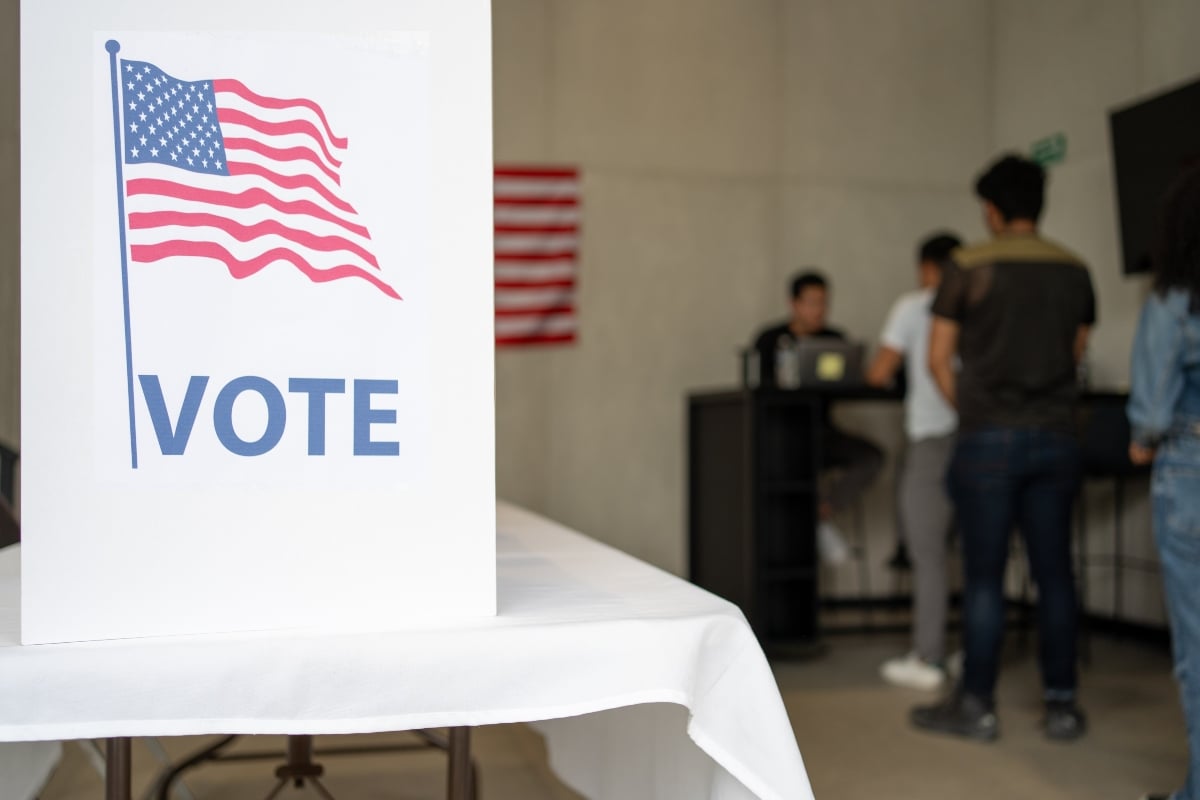
The cost of living and Donald Trump’s migration policies are among the concerns of Latinos in Iowa ahead of the legislative elections.
Although they represent a minority of the state’s population, their participation could influence tight contests and help define the composition of Congress.
The elections will be held on November 3, 2026, according to the official calendar of the Iowa Secretary of State.
Trump will not be on the presidential ballot, but these elections will allow measuring support for candidates who defend or question his agenda.
LULAC Identifies Around 100,000 Latino Voters
View this post on Instagram
Joe Henry, LULAC’s political director in Iowa, explained to EFE that the organization has a base of approximately 100,000 Latino voters.
The figure corresponds to the universe identified by the association; it should not be confused with an official participation count for the upcoming elections.
Henry assured that he observed greater Latino involvement in the June primaries, which fuels his expectations of mobilization for November.
That enthusiasm still needs to translate into votes: LULAC’s forecast does not guarantee how many people will ultimately go to the polls.
Cost of Living and Immigration Concentrate Concerns
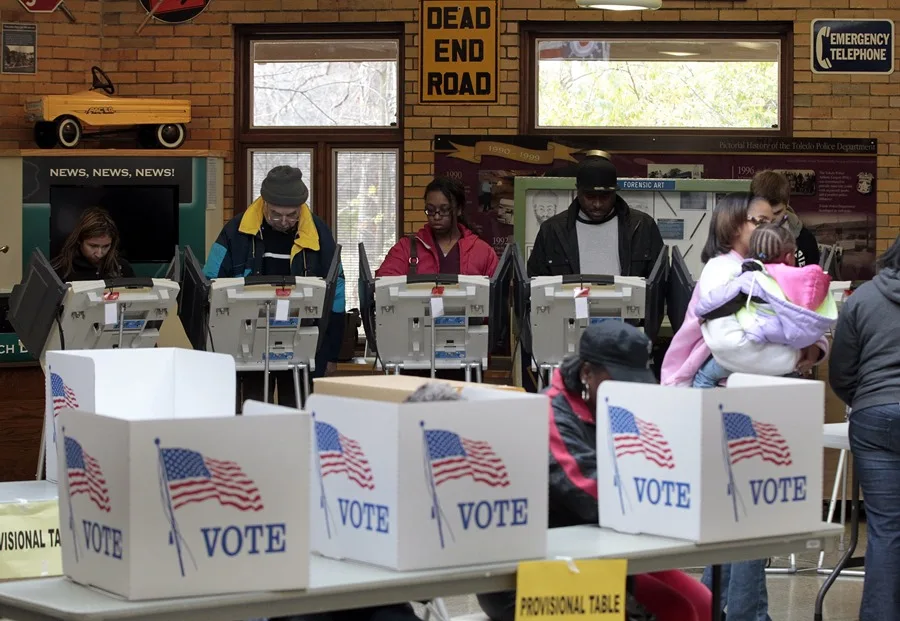
According to Henry, pressure on the family budget and stricter migration policies simultaneously rank at the top of community concerns.
The leader cited fuel costs as one of the daily difficulties faced by households in the state.
He also described fear of immigration raids, although he noted differences in the magnitude of the actions recorded elsewhere.
His assessment reflects the perspective of a community organizer; the report does not present a survey that would allow measuring those priorities among all voters.
Hispanic Growth Does Not Automatically Mean More Votes
EFE’s dispatch cites a figure of around 238,600 Hispanic residents, equivalent to 7.4% of the population, based on data released in 2023.
That demographic reference includes people who cannot vote and corresponds to a period before the 2026 election.
Henry describes a diverse community, made up of naturalized citizens, immigrants with different statuses, and families whose members have different migration situations.
YOU MAY BE INTERESTED IN: María Elvira Salazar and Eliott Rodríguez clash over immigration in District 27
Therefore, population growth provides context, but electoral influence will depend on citizenship, eligibility, registration, and effective participation.
Electoral Participation: Calls, Ads, and Review of Registration
LULAC is betting on radio and television ads, as well as direct calls, to remind people of the election and promote community participation.
Henry maintains that there is little Republican affiliation within his registry, a fact that does not allow one to anticipate the secret vote by itself.
To vote, one must be a US citizen, reside in Iowa, and be at least 18 years old by election day, in addition to other state requirements.
Voters can verify their registration and consult their polling station using the official tools of the Secretary of State.
SOURCE: EFE