Isaias Leaves Four Dead, Widespread Power Outages: Danger Persists Despite Weakening


Posted on 10/11/26 at 06:14
- Four people have died in the aftermath of the hurricane.
- Power outages are affecting three states.
- Risks persist despite the storm’s weakening.
Isaias made landfall near Destin, Florida, on the night of Friday, October 9, as a Category 2 hurricane, with winds of 105 mph.
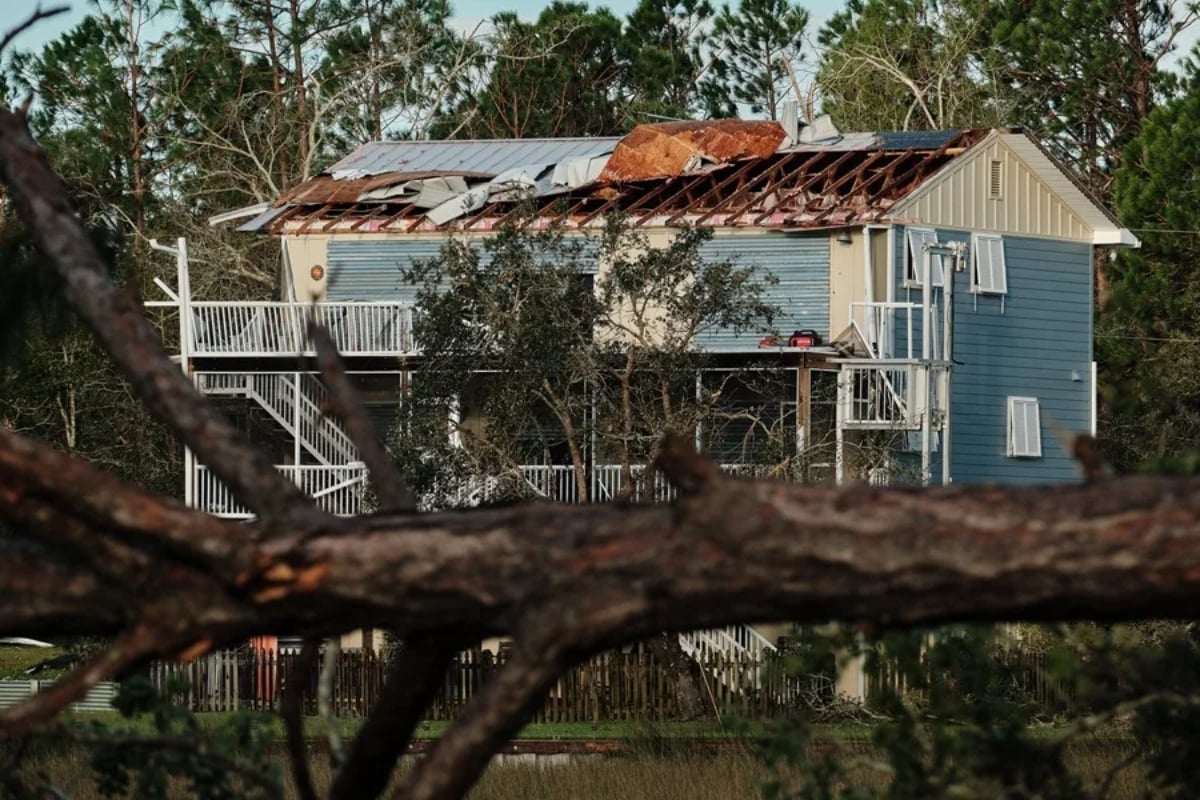
The impact left trees down, power lines fallen, and roads blocked in northwest Florida and Alabama, complicating travel and recovery efforts.
By Saturday, the system had become a post-tropical cyclone, but its weakening did not eliminate the risks of rain, flooding, and strong gusts inland. apnews.com
For residents, the emergency continues after the initial impact: electrical damage and ground conditions require continued caution.
Four Deaths Reported in Alabama and Florida
NEW VIDEO: Intense winds, torrential rain, and widespread power outages battered the Gulf Coast tonight as #Isaias made landfall. More than 700,000 customers are currently without power as Isaias continues its trek inland, bringing heavy rainfall and threatening dangerous conditions across Alabama.#FLwx #ALwx
— WeatherNation (@WeatherNation) October 10, 2026
The updated tally on Saturday stood at at least four fatalities, two in Alabama and two in Florida, according to available reports. nypost.com
Alabama Governor Kay Ivey confirmed the deaths in Alabama; one occurred in Birmingham when a tree fell on a home during the early morning hours.
In Escambia County, Florida, another person died after a large tree fell on their house.
The second death in Escambia was reported in a closed garage with a running generator; four other family members were hospitalized.
Widespread Power Outages Complicate Recovery After Isaias
At least two people have died from fallen trees as the remnants of Isaias push farther inland. Flooding rain, isolated tornadoes and strong winds remain across the Southeast and into early Sunday.
Recovery efforts have begun but hundreds of thousands of people remain without power. CNN’s Ryan Young reports from Montgomery, Alabama.
Follow live updates: https://t.co/vroJEpMH2c
— CNN Weather (@CNNweather) October 10, 2026
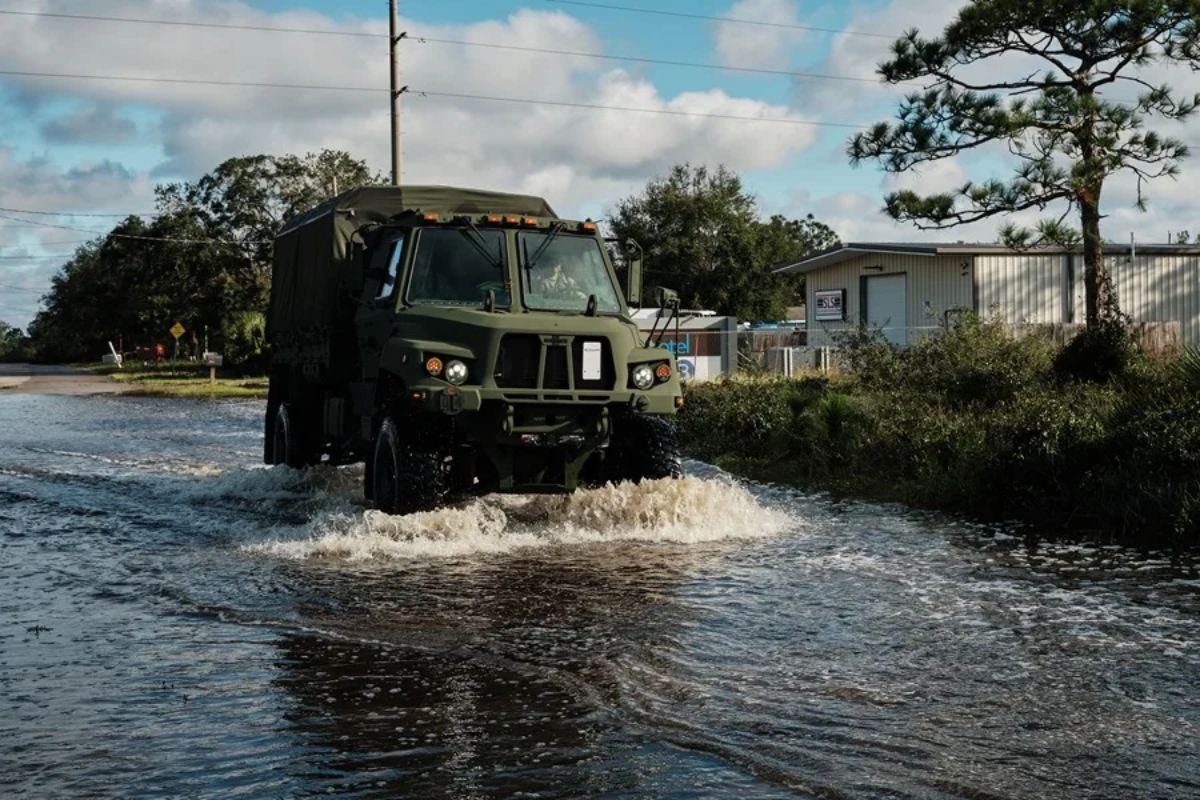
Hundreds of thousands of homes and businesses were left without electricity in Alabama, Florida, and Georgia as crews began repairing damaged infrastructure.
The outage numbers are changing as repairs progress; each power company is updating the situation for its customers and estimated repair times.
The fall of trees and power lines also forced road closures, making it difficult to access affected communities and ensure safe travel.
Before venturing out, residents should check local alerts, respect closures, and stay away from downed power lines, even if they appear inactive.
Isaias Moves Toward the Tennessee Valley
Probably a low probability chance at this point, but it might be worth watching the NW Caribbean for development in about a week. Models indicate a tropical wave may interact with the end of a front and also find itself in a fairly diffluent pattern aloft. Right now, I think it’s most likely that this just gets shoved into Central America without doing much, but it’ll be worth watching if the signal increases over time. Right now about 10-20% of DeepMind members are developing something.
— Andy Hazelton (@AndyHazelton) October 10, 2026
The center of the cyclone was moving north over Alabama on Saturday, with a forecast track toward the Tennessee Valley.
The forecast indicated a later turn toward the northeast, extending the system’s effects beyond the coast where it made landfall.
Intense rainfall maintains the risk of flash flooding, while gusts can bring down more trees and cause new power outages.
YOU MAY BE INTERESTED IN: San Diego receives a historic tropical alert ahead of a possible impact from Rachel on the West Coast
The post-tropical classification describes a change in the cyclone’s structure; safety decisions should follow local weather alerts.
Generators During Power Outages: A Precaution That Saves Lives
The death reported in Escambia highlights an additional danger during power outages: using generators in enclosed spaces where gases can accumulate.
The CDC indicates that generators should be operated outdoors, at least 20 feet — about six meters — away from doors, windows, and vents. CDC
A garage, even with the door open, is not a safe place to operate these devices; carbon monoxide can accumulate without warning.
Families should keep carbon monoxide detectors working and follow the manufacturer’s instructions while waiting for service to be restored.
SOURCE: USATODAY, El Nuevo Herald