US Strikes Iranian Oil Tankers After Attack on Its Ships: Tension Rises in Hormuz


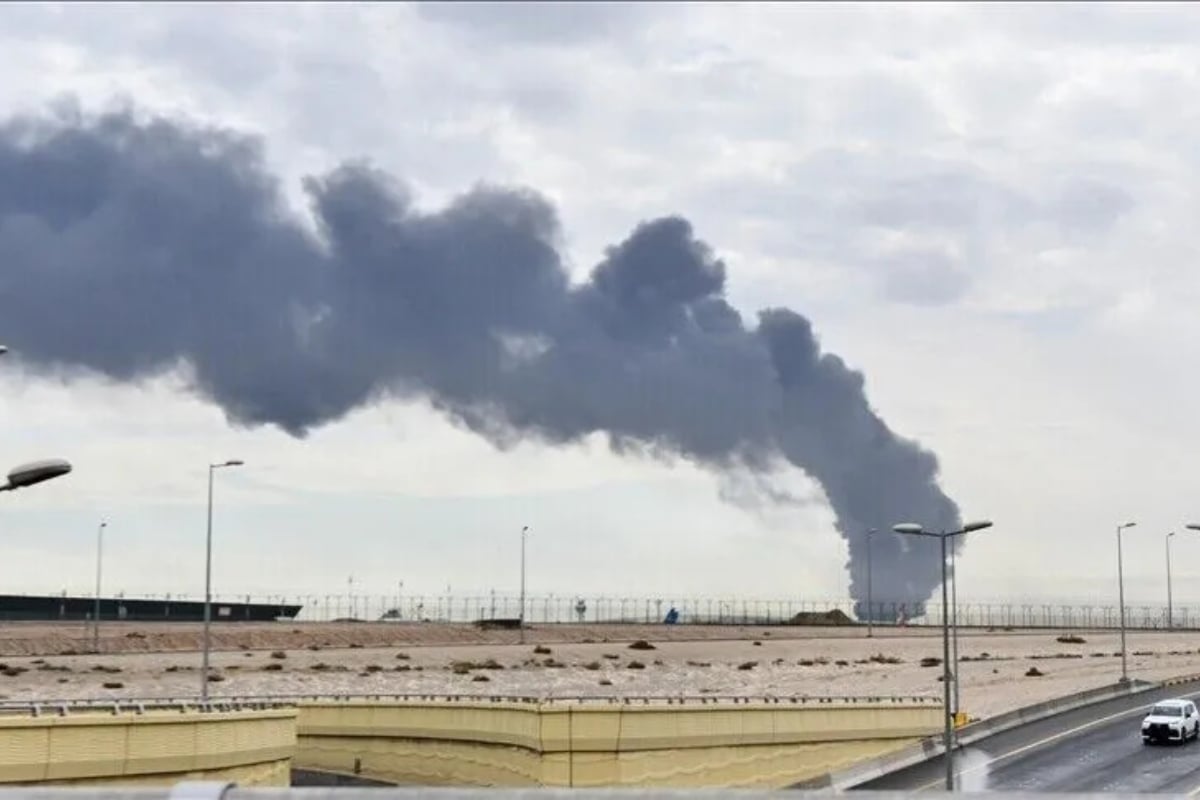
Posted on 09/06/26 at 10:06
- US attacks Iranian oil tankers
- Iran attacks US warships
- Gasoline nears record high
U.S. forces attacked three Iranian oil tankers on Saturday after Iranian forces launched ballistic missiles at two U.S. warships.
According to the U.S. Central Command (CENTCOM), an aircraft carrier and a destroyer evaded the attacks, with no U.S. military personnel injured.
The response left two oil tankers permanently disabled and destroyed a third, marking a new escalation of military tensions around the strategic Strait of Hormuz.
Meanwhile, the conflict continues to pressure energy markets, while U.S. drivers face record gasoline prices over the Labor Day weekend.
US Responds to Iran by Attacking Three Oil Tankers
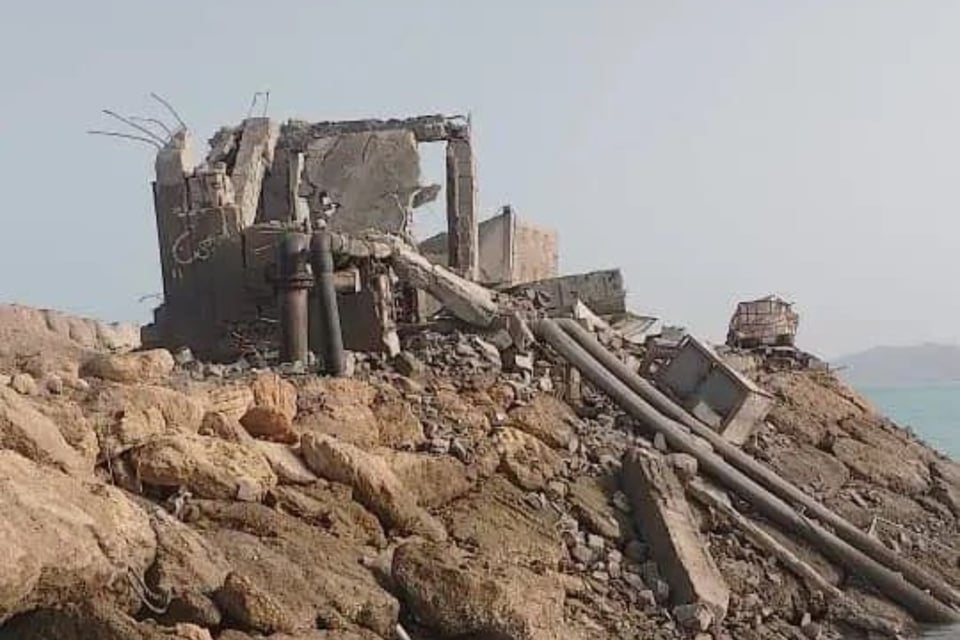
The oil tankers M/T Downy and M/T Stark 1 were turned off near Kharg Island and Jask, respectively, according to information released by CENTCOM.
US forces also destroyed the M/T Kylo, known as Noxen, in the Gulf of Oman after ordering its crew to abandon the vessel.
YOU MAY BE INTERESTED IN: 95 immigrant truckers arrested in Arizona: Are truckers not safe from ICE?
Washington claims that the three ships belonged to a clandestine oil transport network worth billions of dollars that funded the Iranian Revolutionary Guard.
Iranian media confirmed at least one attack on an oil tanker near Kharg and reported that the crew survived, according to The Guardian.
CENTCOM Issues Strong Warning to Iran
CENTCOM Commander Admiral Brad Cooper presented the attacks as a direct economic and military response to Iranian actions against US forces.
«If they shoot at two of our ships, we will impose an even greater economic cost,» Cooper stated in explaining the decision to attack three Iranian vessels.
The commander also warned that the US will not hesitate to defend its forces and threatened to attack Iran’s «limited and vulnerable oil fleet» if necessary.
The warning raises the risk of new retaliation in a region where the exchange of attacks had decreased for about a month before this new confrontation.
Strait of Hormuz Back at the Center of Tension
The attack location is raising concerns. Kharg is a key hub for Iranian oil exports, while the Strait of Hormuz is vital to global energy supplies.
The U.S. maintains a naval presence there to protect navigation. Iran has continued attacking ships and U.S. targets during the conflict.
Oil traffic has not fully stopped. Recent estimates put exports through the Strait at 15–16 million barrels per day despite restrictions.
But military uncertainty keeps a risk premium on oil: Brent was recently around $95 per barrel.
Attacks Occur as Gasoline Hits Record High in US
The escalation comes at a particularly sensitive time for Americans: the national average gasoline price stood at approximately $4.15 per gallon on Saturday, according to AAA.
Exactly a year ago, the average was around $3.19, representing a nearly 30% increase for consumers filling up now.
AAA noted that the persistent volatility in the Strait of Hormuz has driven oil prices to the $90 range and anticipated record prices for this Labor Day.
The new attack on Iranian oil tankers adds another variable to the market: any escalation that threatens crude oil flows through the Strait of Hormuz could again put pressure on fuel, transportation, and US consumers, according to ‘EFE’, ‘BBC‘, and ‘Infobae‘.