U.S. Expects Up to 5,000 Canceled Flights After Failure Exposed Air System


Posted on 11/14/26 at 16:01
- Up to 5,000 cancellations are expected.
- Technical failures paralyzed takeoffs.
- Airlines expect to normalize operations on Sunday.
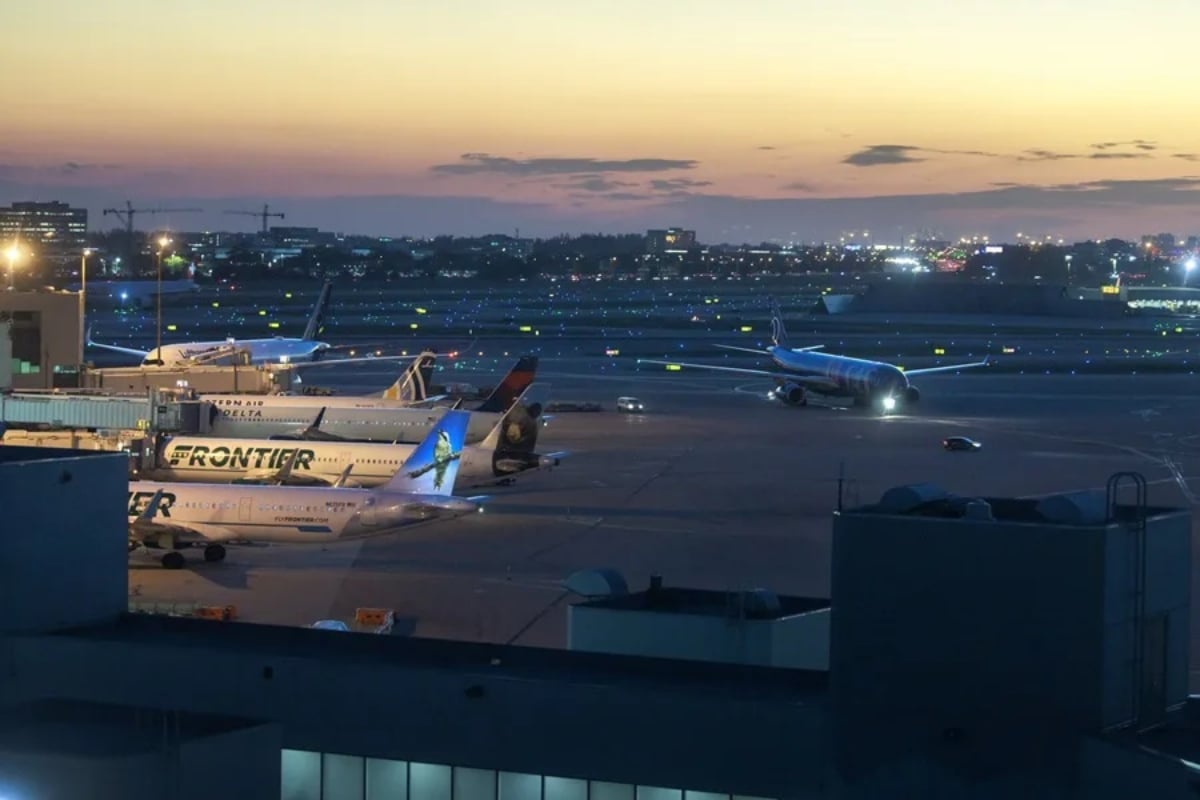
The United States expects between 4,000 and 5,000 canceled flights this Saturday, November 14, as airlines try to reorganize their operations following Friday’s nationwide suspension of takeoffs.
Bryan Bedford, administrator of the Federal Aviation Administration (FAA), said the disruptions will affect part of the roughly 41,000 flights scheduled for the day.
Airlines expect to get their regular schedules back by the end of Sunday, November 15. That forecast depends on how the reorganization progresses and does not guarantee that every flight will operate on time.
According to a FlightAware tally reported by EFE, as of 12:00 p.m. Eastern on Saturday there were 4,272 cancellations and 3,752 delays; the figures may continue to change.
What Caused the FAA Takeoff Suspension
The disruption began on Friday, November 13, and kept takeoffs halted for more than four hours. The FAA attributed the measure to communication problems at several air traffic control centers.
Transportation Secretary Sean Duffy explained that the incident occurred while a contractor was replacing a copper connection with fiber optic cable and installing a router.
Authorities are investigating whether there was an error during the work or a defective piece of equipment. As of Saturday’s appearance, they had found no evidence of a cyberattack or of a cause related to artificial intelligence.
Duffy said an overload on old equipment produced inconsistent data. The suspension was ordered for safety reasons, given the instability of communications and of the systems used by controllers.
Affected Airports and Warnings About New Failures
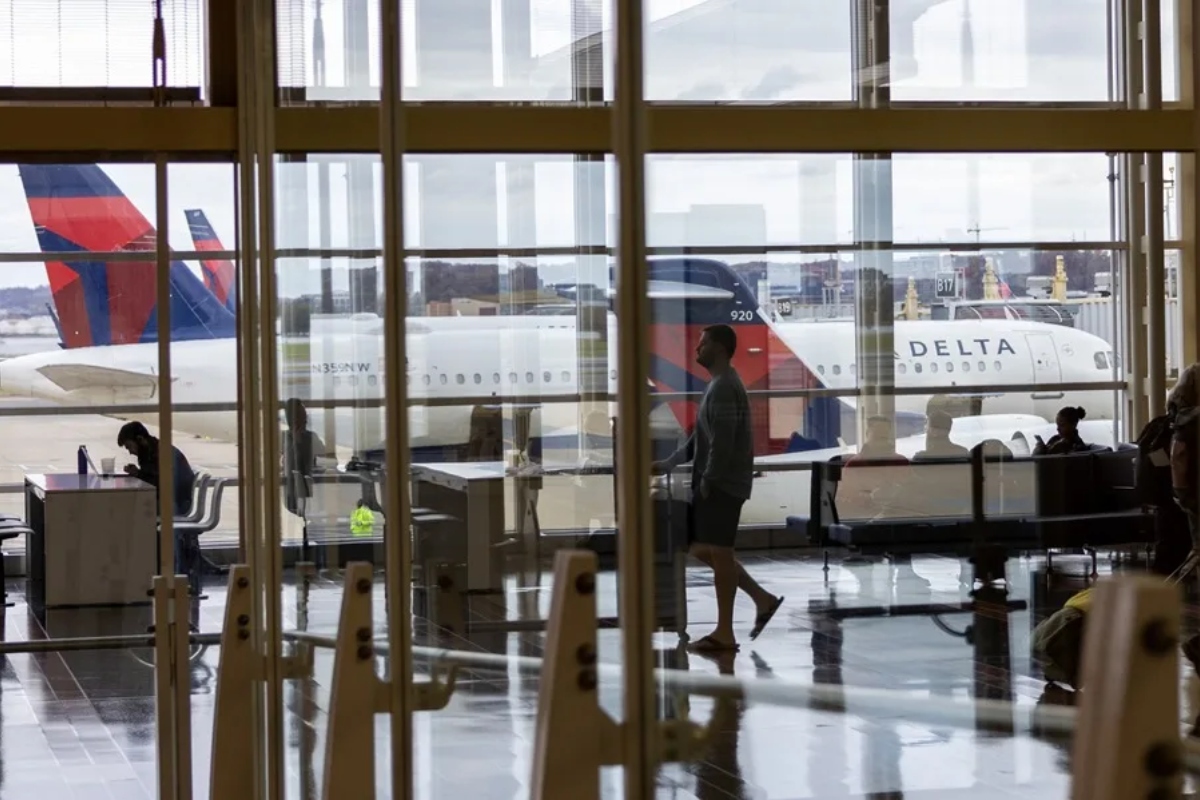
Chicago O’Hare, Atlanta Hartsfield-Jackson, New York JFK and Boston Logan are among the affected airports, according to information released by EFE on the consequences of the disruption.
Bedford said that about 20,000 flights were affected on Friday and that roughly 8,000 were able to take off after the nationwide restriction was lifted.
Another 12,000 flights could not be recovered: about 9,000 commercial and 3,000 private. The backlog helps explain why reopening the airspace did not immediately restore schedules.
YOU MIGHT BE INTERESTED: Barge Hits Cruise Ship With 129 People Aboard in Louisiana
The crisis also renewed pressure to modernize the infrastructure. The government had asked Congress for an additional $30.1 billion for airport and air traffic control improvements.
What Passengers Can Do Amid the Cancellations
The immediate recommendation is to check directly with the airline before heading to the airport and to review reservation notifications, especially if the trip includes connections.
American Airlines and United announced flexibility for certain changes or cancellations. Passengers should check the conditions that apply to their ticket before changing it.
Delta also offered alternatives and recommended, when possible, moving trips to Monday, November 16, or later, according to EFE’s report.
The expectation of a return to normal on Sunday should be understood as an operational goal: each traveler needs to confirm their itinerary and the availability of alternatives directly with their airline.
SOURCE: EFE, theobjective