Trump Weighs «Annihilating» Iranian Regime as Oil and Elections Raise Pressure


Posted on 09/19/26 at 12:40
Donald Trump acknowledged that he faces a decision on Iran that could transform the conflict again and have economic consequences far beyond the Middle East.
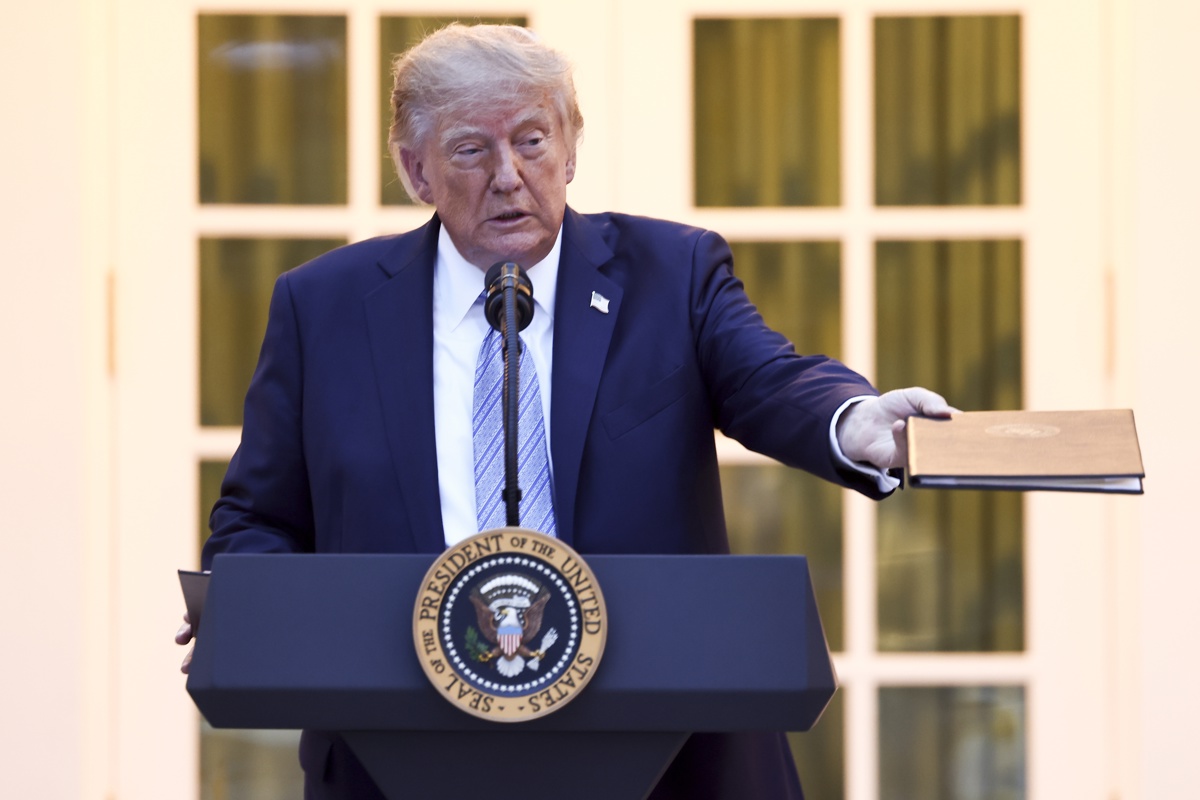
“I have to make a big decision. Do I want to go in and annihilate them or not?”, Trump told Axios when speaking about the Iranian regime.
The president did not confirm that he has decided to resume large-scale US attacks or set a timeline for when he will decide on the next move.
His decision comes as tensions refocus around the Strait of Hormuz, one of the most important energy routes on the planet.
Why it matters:
- Hormuz moves millions of barrels.
- Gasoline hovers around $4.47.
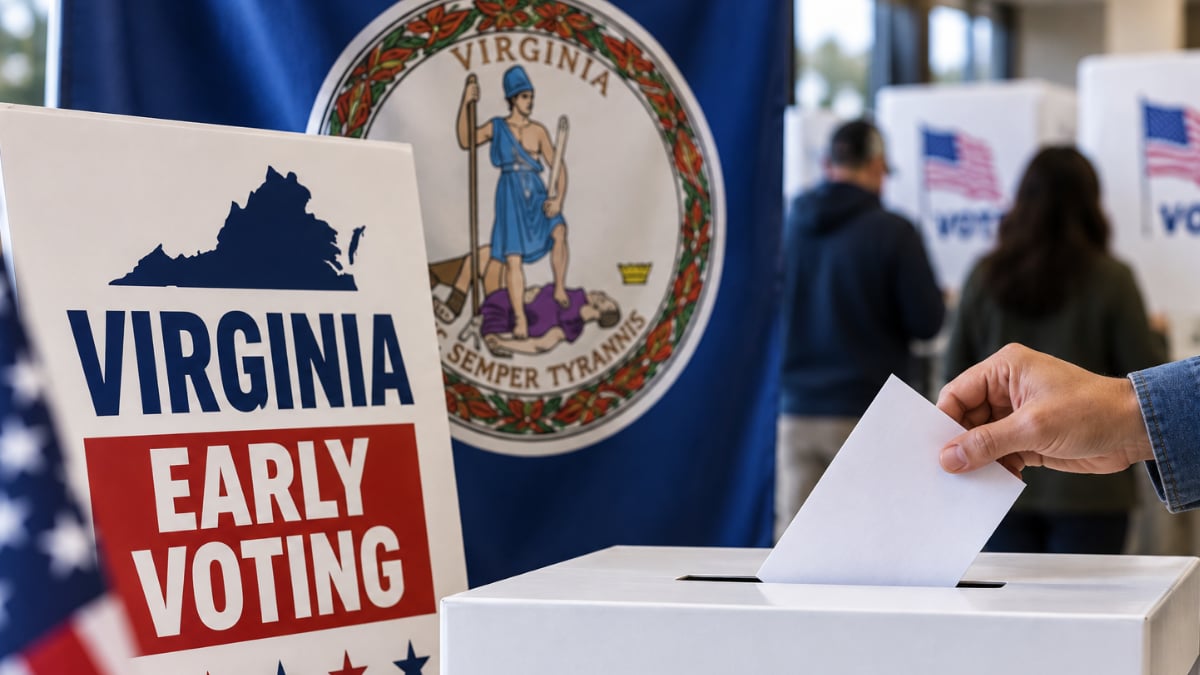
- Elections will be on November 3.
- An escalation threatens costs.
Trump Faces Critical Decision on Iran
Trump is scheduled to meet with representatives from Saudi Arabia, the United Arab Emirates, Qatar, Bahrain, Kuwait, and Oman in New York on Tuesday.
The meeting could influence the next phase of the conflict, ranging from a possible diplomatic reactivation to broader US military operations.
Saudi Arabia and Qatar had already expressed concern about possible Iranian retaliation against energy infrastructure if Washington resumed major military operations, according to Axios.
Trump said he wants to know the positions of those allies directly before defining the next US steps against Tehran.
The fact:
- Six countries will participate.
- Hormuz remains under tension.
- Oil prices remain high.
- Washington evaluates its options.
Strait of Hormuz Raises Alarms Again
Tensions increased after the Iranian Revolutionary Guard claimed to have attacked the Togolese-flagged tanker Trend while it crossed Hormuz.
Tehran assured that the ship was attempting an unauthorized transit, while maritime agencies reported new incidents against vessels in the area.
The economic risk is considerable: approximately 20.9 million barrels circulated through Hormuz daily during the first half of 2025, according to the EIA.
This volume was equivalent to about 20% of global oil consumption, making any prolonged interruption a risk for energy markets.
The process
- Iran restricts transit.
- The US promotes maritime circulation.
- Lower flow pressures markets.
- Expensive oil reaches the consumer.
$4.47 Gasoline Increases Impact on Americans
Regular gasoline averages $4.4687 per gallon nationally as of September 18, according to updated AAA data.
Just a week ago, it was around $4.27, while AAA links part of the recent pressure on crude oil to the volatility around Hormuz.
The impact is already appearing in inflation indicators: the gasoline price index increased 27.4% between August 2025 and August 2026.
Additionally, energy rose 16.3% year-over-year, according to the Consumer Price Index published by the Department of Labor.
A new escalation could exert additional pressure on oil, gasoline, diesel, and transportation, although it would depend on how long it lasts and affects supplies.
Iran Enters the Equation Before the November 3 Elections
The decision also comes weeks before the federal midterm elections, officially scheduled for November 3, 2026.
Trump did not reveal to Axios whether he will make a decision on a potential military escalation before or after those elections.
This leaves several possibilities open: intensifying operations, maintaining current military and economic pressure, or exploring an agreement with Tehran again.
For American consumers, meanwhile, Hormuz turns a foreign policy decision into an issue that can also directly affect the pump.
What they can do
- Monitor local prices.
- Compare nearby stations.
- Anticipate fuel expenses.
- Follow changes in Hormuz.
Trump’s decision on Iran transcends the military field: any escalation in Hormuz could impact oil, gasoline, and transportation in the US, as the conflict advances towards a decisive stage just weeks before the November elections.
You May Be Interested In: Trump and Xi face a key trade truce: the risk for prices and the economy
SOURCE: EFE / Swissinfo / Axios