Trump Threatens to Halt Trade if Fed Doesn’t Cut Rates: What’s at Stake?


Posted on 09/06/26 at 14:04
- Trump threatens to halt trade
- U.S. created 162,000 jobs
- Fed to decide in September
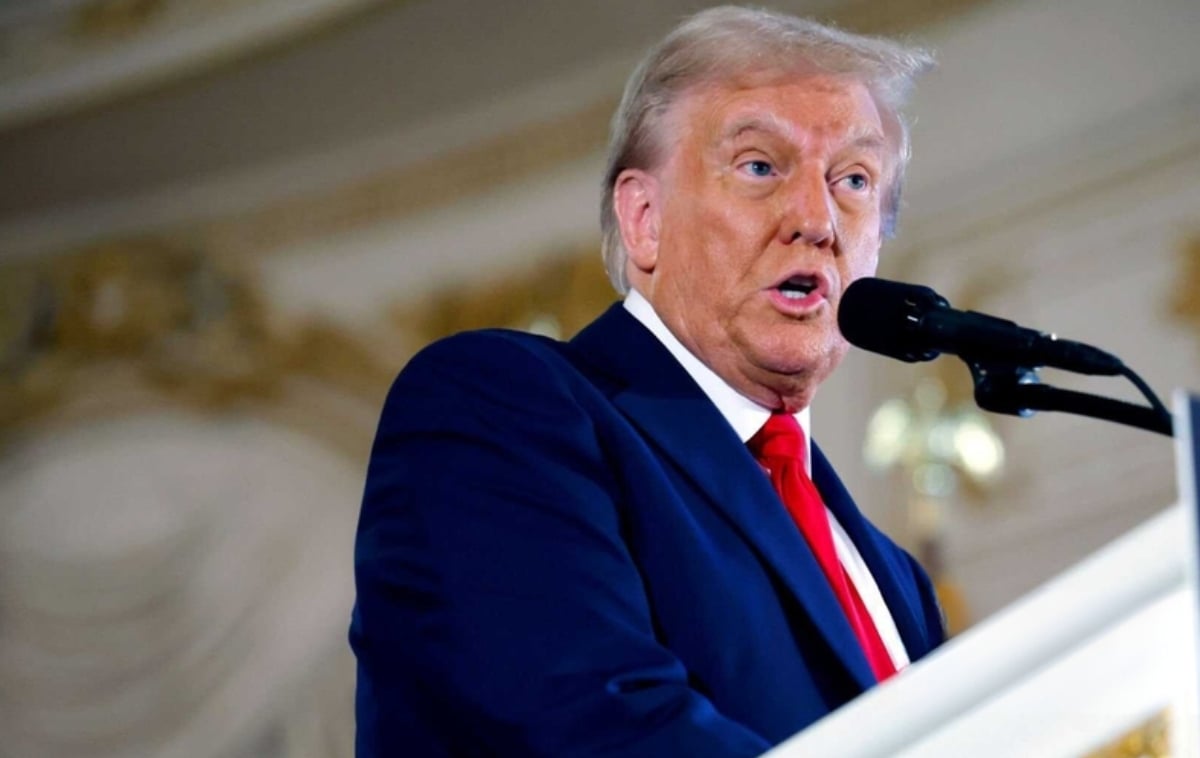
Donald Trump increased pressure on the Federal Reserve with a threat that could take the dispute over interest rates directly to international trade.
The president warned that the United States could stop trading with countries with which it has a trade deficit if the central bank does not reduce rates.
«High interest rates put the United States at a very unfair disadvantage, and I won’t let that happen!», Trump wrote on Truth Social.
The warning came after a surprisingly strong labor report: the United States created 162,000 jobs in August, while unemployment remained at 4.1%.
Job Market Complicates Rate Cut Trump Demands
The labor data far exceeded expectations and showed that the job market remains strong, a relevant signal for the Federal Reserve’s upcoming decisions.
Paradoxically, this good economic news could work against Trump’s request: operators increased their bets on a September rate hike, according to Reuters.
YOU MAY BE INTERESTED IN: 95 immigrant truckers arrested in Arizona: Are even truckers not safe from ICE?
«We should have the LOWEST RATE of any country in the world,» Trump said, before issuing his warning: «LOWER THE RATE OR I’LL STOP TRADING» with countries where there is a deficit.
The Fed currently maintains the target range for federal funds without changes. In July, three members of the committee even preferred to increase it by a quarter of a percentage point.
What Would Happen if the U.S. Really Halted Trade?
A broad trade suspension would go beyond tariffs by disrupting imports, supply chains, and businesses that rely on foreign goods.
Consumers could face fewer goods and higher prices, just as inflation remains a concern for the Fed.
Trump argues that trade deficits disadvantage the U.S. and has proposed limiting trade as economic leverage.
However, analysts cited by MarketWatch believe that a trade rupture could have a significant economic impact and further complicate the situation facing the Fed.
Feds Face a Key Decision in September
Federal Reserve officials will meet on September 15 and 16 to set monetary policy and release new economic projections.
Officials will face a delicate balance between labor market strength, inflationary pressures, and the impact of high rates on households and businesses.
For families, the decision matters because the Fed’s rates ultimately influence loans, credit cards, business financing, and other debt costs indirectly.
The shock leaves a difficult economic contradiction to ignore: Trump wants lower rates, but the 162,000 new jobs in August gave the Fed more room to keep them high or even raise them, noted Reuters, CNBC, and 10 News.