Trump Threatens to Become «Veto Man» if Democrats Win Congress


Posted on 11/01/26 at 20:42
President Trump anticipates that he will block opposition bills to force them to negotiate, depending on the outcome of the November 3 legislative elections.
President Donald Trump stated that he could become the «Veto Man» if Democrats gain control of Congress in the midterm elections on Tuesday.
– Why it matters: A Democratic victory in either chamber could limit Trump’s legislative agenda and open a phase of negotiations and political gridlock.
Trump Explains How He Would Use Veto Power Against Democrats
President Donald Trump stated that he could become the «Veto Man» if Democrats gain a majority in Congress in the midterm elections on November 3.
He reported that his initial plan would consist of systematically blocking legislative initiatives driven by a Democratic majority, to later force them to negotiate agreements.
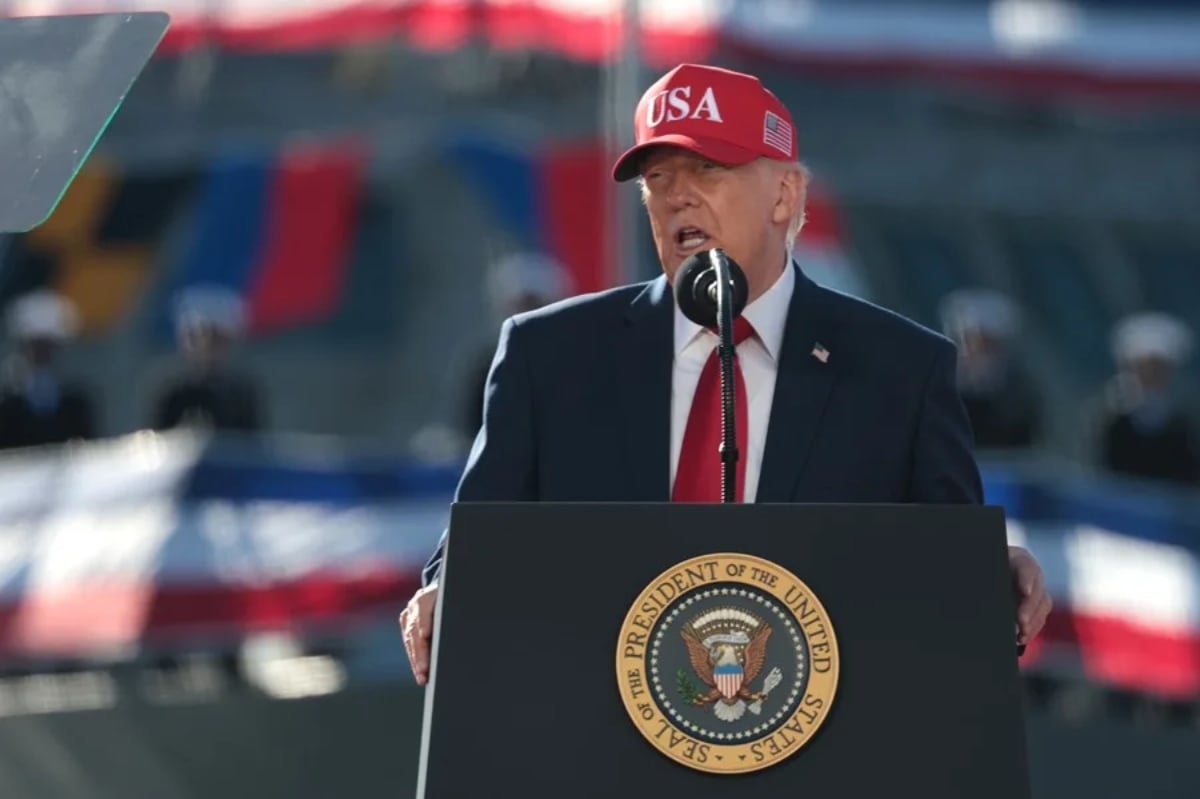
Photo: Reuters
— N+ UNIVISION (@nmasunivision) November 1, 2026
During an interview with Fox News, Trump described what he would do if his party loses control of the House of Representatives or the Senate.
«I suppose I’ll become the ‘Veto Man’,» the president said in a video published Sunday by the American network.
His strategy would consist of initially rejecting Democratic legislative proposals until his adversaries agree to negotiate agreements with the White House.
YOU MAY BE INTERESTED: Federal judge prohibits ICE from detaining people based on their Latin appearance in California
– The fact: Trump considers that vetoes could lead Democrats to seek agreements after one or two months of legislative confrontations.
The president argued that this situation would not be exceptional in Washington, where other presidents have governed without having majorities of their party in both chambers.
«It wouldn’t be the first time,» Trump noted, explaining how he imagines a relationship with a Congress controlled, totally or partially, by the opposition.
Can Trump Block All Congressional Laws?
Trump anticipates using veto if Democrats win Congress
US President Donald Trump stated that he will become the «Veto Man» to block any opposition initiative if the Democratic Party wins control of Congress in the midterm elections. In an interview with Miranda Devine, the president said he will apply systematic veto before negotiating agreements, although he is confident that Republicans will retain the parliamentary majority after the votes on Tuesday.
#donaldtrump #unitedstates #congress #elections
— NX Noticias (@NXNoticias) November 1, 2026
The US Constitution allows the president to veto bills passed by both chambers of Congress, thereby preventing them from taking effect.
However, presidential power has limits. Legislators can override a veto with the support of two-thirds of the votes in each chamber.
– The limit: Trump could not definitively prevent a law if enough Republicans and Democrats gather the necessary votes to overcome his veto.
Additionally, a bill must first go through the legislative process. If both chambers are divided between parties, reaching agreements may be necessary before sending it to the president.
Therefore, controlling only one chamber does not mean that Democrats can approve all their legislative proposals on their own.
The November 3 Elections Will Define the Balance of Power
The midterm elections will renew all 435 seats in the House of Representatives and 35 of the 100 seats in the Senate.
Their results will determine which party controls each chamber and how far Trump’s legislative agenda can advance during the last two years of his term.
– What’s at stake: Congress participates in the approval of laws, the federal budget, and government oversight, functions that can generate disputes with the White House.
Despite describing a possible confrontation with Democrats, Trump expressed confidence that Republicans will retain their legislative majorities.
His statements pose two different scenarios: continuing to work with a Republican Congress or negotiating with an opposition that gains greater legislative influence.
What Would Happen After a Democratic Victory
If Democrats win one or both chambers, Trump would still retain his constitutional authority to approve or reject bills that reach his desk.
However, the veto does not replace the necessary negotiations to fund the government, approve new laws, or resolve differences between both chambers.
The announced strategy does not constitute an official decision to block future initiatives: Trump described what he would do in the face of a hypothetical electoral outcome.
What’s next: Voters will decide on Tuesday, November 3, the new composition of Congress. Its members will take office on January 3, 2027.
From then on, it will be known whether Trump needs to resort to the vetoes he anticipated or if Republicans maintain legislative control.