Trump Declines to Endorse JD Vance for 2028 After Republican Midterm Defeat


Posted on 11/05/26 at 22:00
- Trump stops short of endorsing JD Vance for the 2028 presidential election.
- Republicans debate the impact of the Iran war and rising living costs.
- Marco Rubio emerges as another potential Republican presidential contender.
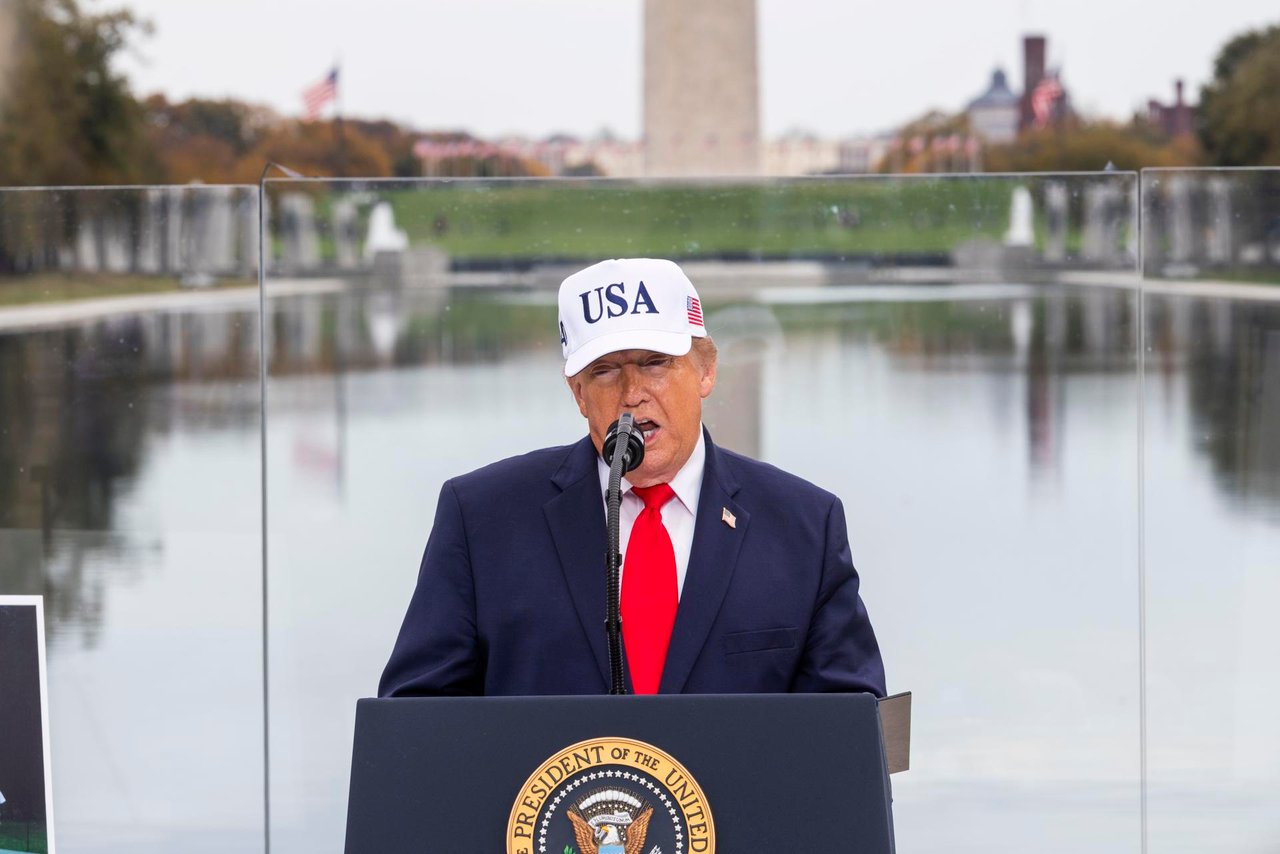
President Donald Trump has raised questions about JD Vance’s prospects for the 2028 presidential election, declining to say whether his vice president will seek the Republican nomination following the party’s sweeping defeat in the November 3 midterm elections.
«We’ll see what happens. We don’t know who will run. There are many people. Maybe nobody will. Maybe he won’t run, I don’t know,» Trump told reporters at the White House, according to the EFE news agency.
His remarks came after Democrats regained control of both chambers of Congress, intensifying discussions within the Republican Party about its political future and potential presidential candidates.
Although Vance previously expressed confidence that Trump would endorse him if he decided to run, the president said the two had not discussed the possibility.
Trump and JD Vance: Republicans Acknowledge the Impact of Rising Living Costs
The Republican defeat has prompted criticism within the party, with several prominent figures arguing that economic pressures and the war with Iran contributed significantly to the election results.
Texas Senator Ted Cruz described the outcome as «a Watergate-level repudiation,» referring to the political scandal that led to President Richard Nixon’s resignation.
«Food is too expensive, gas is too expensive, diesel is too expensive, insurance is too expensive, life is too expensive,» Cruz said during his podcast.
The senator called for economic policies that deliver tangible improvements for American families after Democrats secured a historic US Senate victory in Texas.
JD Vance Blames the War With Iran for Republican Losses
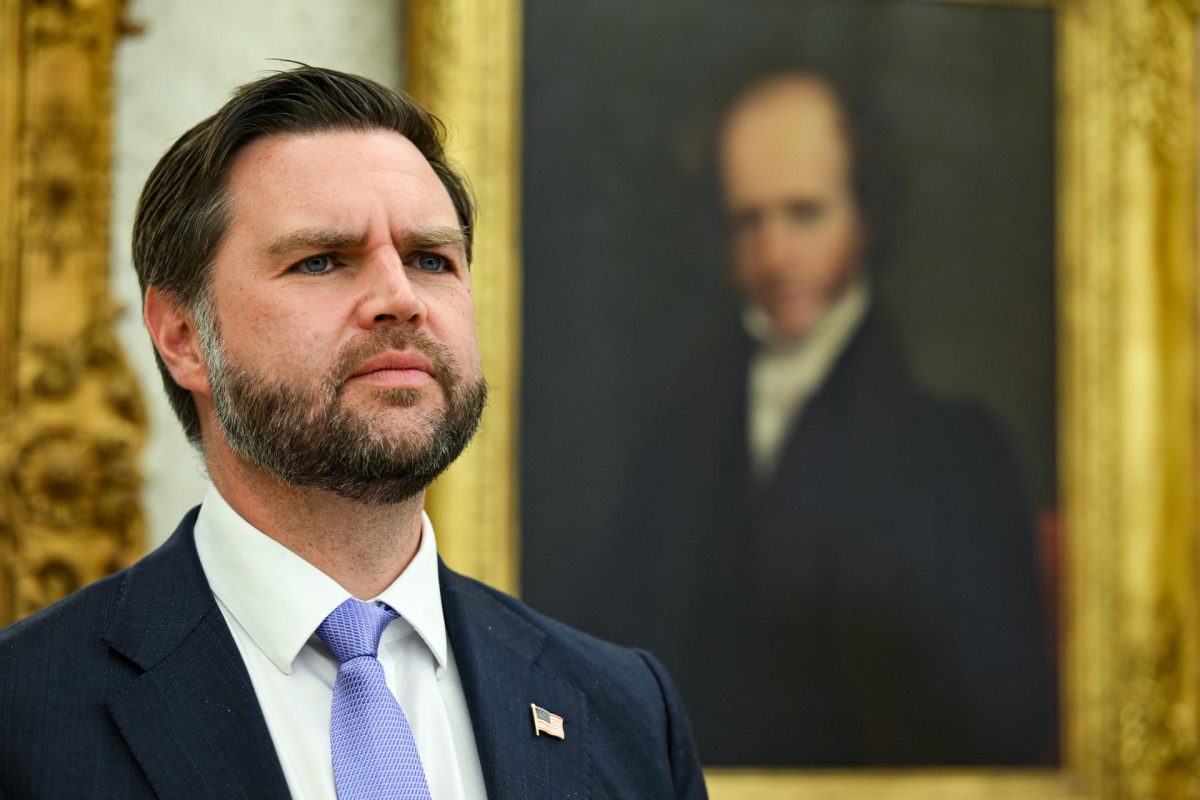
Vance also offered his assessment of the Republican defeat, identifying the ongoing military conflict with Iran as a major factor behind the party’s losses.
«The reason we lost is the war,» Vance wrote on X, citing polling information indicating that some voters who supported Trump in 2024 had shifted toward Democratic candidates.
His comments highlighted disagreements among Republicans over US military involvement abroad, particularly between those who oppose prolonged foreign interventions and those who support a more assertive international policy.
Former White House press secretary Ari Fleischer challenged Vance’s interpretation, arguing that the administration’s failure to achieve a decisive victory in Iran had contributed to the election outcome.
Trump acknowledged that the war had hurt Republicans politically, particularly through rising energy prices, but defended his decision to launch the military operation.
Defense Secretary Pete Hegseth Faces Renewed Scrutiny
The Republican Party’s electoral setback has also intensified scrutiny of Defense Secretary Pete Hegseth, one of the administration’s most prominent advocates of the war with Iran.
Despite speculation about possible leadership changes at the Pentagon, Trump said during an interview with ABC News that he intended to keep Hegseth in his position.
«I have every intention of keeping him,» the president said.
Meanwhile, Republican Representative Thomas Massie announced plans to revive an effort to impeach Hegseth before Democrats assume control of the House of Representatives in January.
Marco Rubio Emerges as a Potential 2028 Presidential Contender
The Republican defeat has also raised questions about who might lead the party after Trump completes his second presidential term.
Alongside Vance, Secretary of State Marco Rubio is considered a potential contender for the Republican presidential nomination in 2028.
According to The Independent, Rubio was considering leaving the administration ahead of a possible presidential campaign. However, the State Department denied the report, and Rubio subsequently said that serving through the remainder of Trump’s term had always been his plan.
Former House Speaker Newt Gingrich described the Republican presidential primaries as «completely open,» reflecting the uncertainty surrounding the party’s leadership succession.