Tropical Storm Bertha Threatens the Gulf Coast: Torrential Rain and Flooding Forecast Across Multiple States


Posted on 07/20/26 at 19:10
- Tropical Storm Bertha poses a growing threat.
- Flash flood warnings issued.
- Louisiana expected to face a direct impact.
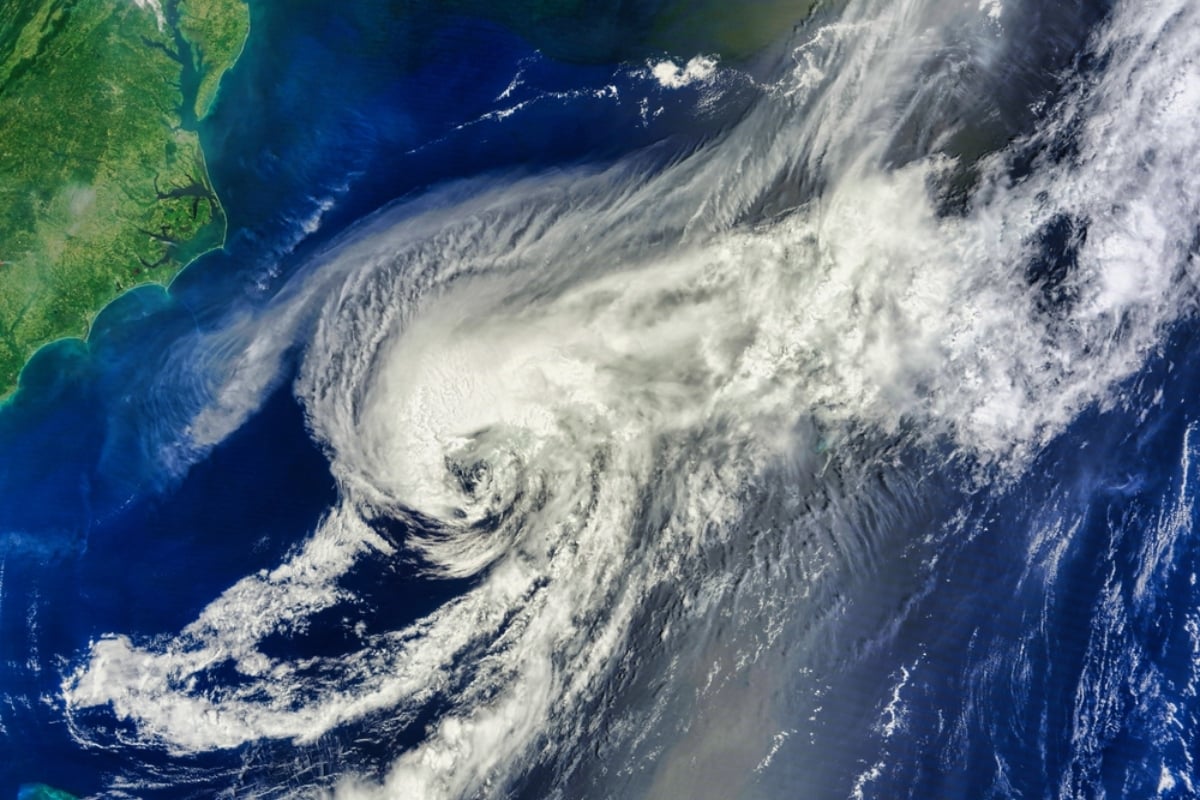
Tropical Storm Bertha is expected to form this Monday over the Gulf of Mexico, putting several southeastern U.S. states at risk as authorities warn of heavy rain, storm surge, and flash flooding over the next several days.
The National Hurricane Center (NHC) said the tropical system is forecast to gradually strengthen as it tracks near the U.S. Gulf Coast, with impacts expected to begin as early as Monday night and continue through Friday.
Although Tropical Storm Bertha is not currently expected to strengthen into a hurricane, meteorologists warn that its greatest threat will be the amount of rainfall it produces, which could trigger river flooding, urban flooding, and dangerous conditions for millions of residents.
The storm’s development comes during the Atlantic hurricane season, which runs each year from June through the end of November.
Tropical Storm Bertha Expected to Cross the Gulf Before Landfal
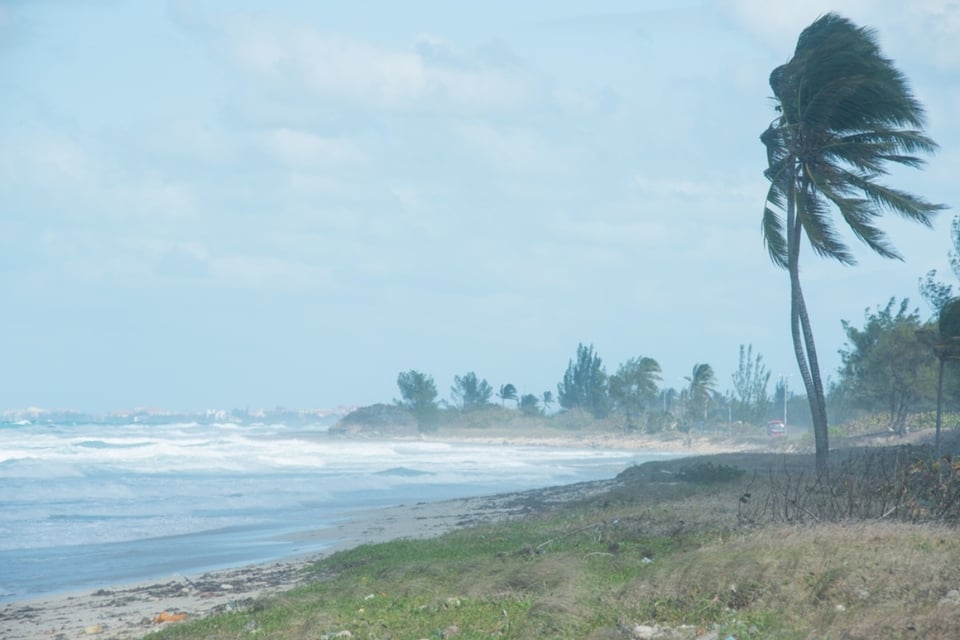
According to the latest NHC advisory, the current tropical depression is forecast to strengthen into Tropical Storm Bertha Monday off the coast of Florida.
Forecast models indicate that the system will move parallel to the Gulf Coast before turning toward Louisiana, where it could make landfall on Wednesday.
YOU MAY ALSO BE INTERESTED IN: Tsunami Warning Issued After 7.4 Magnitude Earthquake Strikes Mexico, Felt in Guatemala and El Salvador
As it continues to strengthen, Bertha could bring tropical storm conditions from the Florida Panhandle westward into parts of southeastern Louisiana.
The National Hurricane Center also said the first impacts are expected between Monday night and Tuesday and urged residents to closely monitor official weather updates.
Heavy Rain Is Expected to Be the Greatest Threat
Forecasters expect Bertha to produce widespread rainfall from western Florida to the central Texas Gulf Coast, with significant impacts also expected across southern Alabama, Mississippi, and Louisiana.
The anticipated rainfall totals will increase the risk of flash flooding in both urban and rural areas, particularly where soils are already saturated.
The NHC warned that flooding could continue through Friday across portions of the Gulf Coast as well as inland communities as the storm progresses.
In addition to heavy rainfall, officials are also monitoring the potential for storm surge and dangerous surf conditions, which could worsen impacts along coastal communities.
Storm Surge Alerts Issued as Hurricane Season Continues
As Bertha approaches, the National Hurricane Center has issued storm surge alerts for coastal areas of Alabama, Mississippi, and southeastern Louisiana.
The agency urged state and local officials to remain alert, noting that additional watches and warnings could be issued as weather conditions evolve.
Tropical Storm Bertha is expected to become the second named storm of the Atlantic hurricane season, following Arthur, which formed on June 17 off the coast of Texas and also brought significant rainfall and flooding to the southeastern United States.
Although the National Oceanic and Atmospheric Administration (NOAA) recently lowered its seasonal hurricane forecast due to the strengthening El Niño pattern, the development of Tropical Storm Bertha serves as a reminder that even less active hurricane seasons can produce storms capable of causing major impacts, particularly through flooding and excessive rainfall, according to EFE and CNN.