More Than 14,000 Leave SNAP in One State: Who Is at Risk of Losing This Assistance?


Posted on 08/11/26 at 05:28
There are 14,000 fewer people enrolled in SNAP in West Virginia compared with July 2025, while new federal rules expand the work requirements that some beneficiaries must meet to keep receiving food assistance.
The case of a woman whose benefit fell from nearly $400 to just $24 shows how dramatically monthly assistance can change.
- Why it matters: Changes approved in 2025 expanded SNAP work requirements to more adults and parents. Those subject to the rules could lose their benefits after three months if they do not meet the requirements or qualify for an exemption.
People are losing SNAP benefits: From nearly $400 to just $24 a month
Helen Comer, a resident of Yawkey in Lincoln County, West Virginia, began receiving SNAP after leaving her job at a bank to care for her sick parents, according to The Cool Down.
When her case was reviewed in January, her benefit was reduced to $24 per month because she was under 65 and was not working, according to West Virginia Watch. Other reports indicate that she had previously received about $400 per month.
Her situation comes as West Virginia records a significant decline in the number of people enrolled in the program.
Data compiled by the Center on Budget and Policy Priorities (CBPP) shows:
- 270,722 beneficiaries: July 2025
- 256,385 beneficiaries: March 2026
- 14,337 fewer people: Difference between the two periods
- Approximately 5.3%: Reduction in participation
The West Virginia Department of Human Services did not respond to West Virginia Watch about the specific reasons behind the overall decline, so not every departure can be attributed exclusively to the new work requirements.
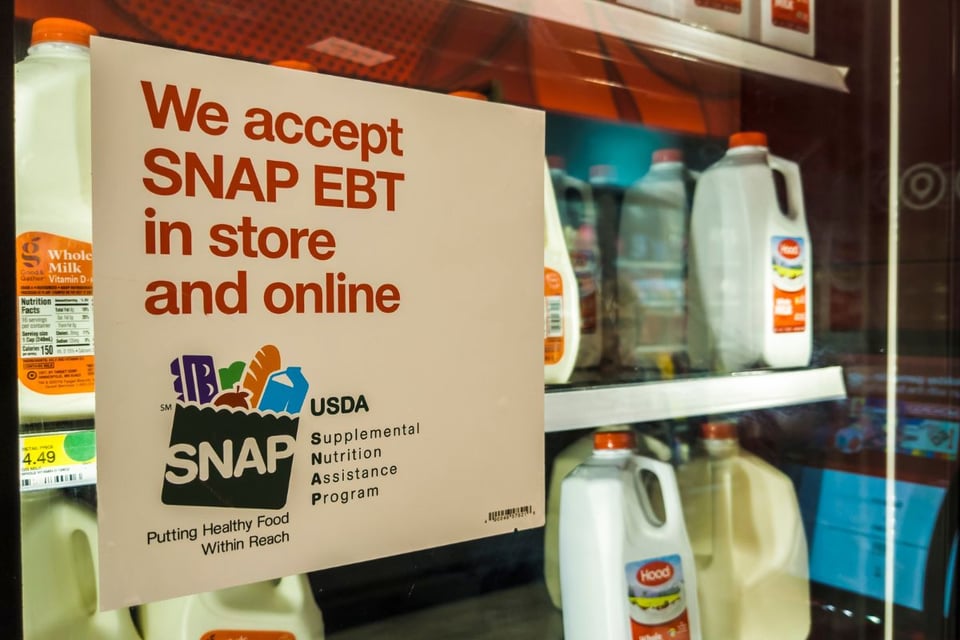
New SNAP work requirements now affect more people
The change is not limited to West Virginia.
The federal law passed in 2025 expanded the group subject to additional SNAP work requirements:
- The rule applies to adults ages 18 to 64 and also to parents or household members responsible for children when the child is 14 or older, although exceptions apply.
- To continue receiving SNAP for more than three months within a three-year period, people subject to the rule generally must complete 80 hours per month through work or other activities allowed by the program.
Exceptions under the law include people certified as physically or mentally unable to work, pregnant women, and people responsible for a child under 14.
The legislation also provides certain exceptions for American Indians.
The CBPP estimates, using USDA and state data, that SNAP participation fell by more than 4.5 million people between July 2025 and April 2026, or approximately 11%. The decline reached at least 5% in 44 states.
Food banks are beginning to feel greater pressure
When a family loses SNAP, its need for food does not necessarily disappear.
In West Virginia, some community organizations are already reporting increased demand. The Kelly Miller Community Center in Clarksburg recorded an increase of at least 15% in food requests, according to information published by the West Virginia Center on Budget & Policy.
The situation could increase pressure on food pantries and food banks serving families struggling to cover their grocery expenses.
YOU MAY ALSO BE INTERESTED IN: Arizona Loses Nearly Half of Its SNAP Beneficiaries: Are Other States Next?
If your SNAP benefits are reduced, you can still challenge the decision
A reduction or cancellation of SNAP does not necessarily mean that a beneficiary has to accept the decision without having it reviewed.
The USDA says that anyone who disagrees with a decision regarding their case can request a fair hearing to determine whether the rules were applied correctly.
The request must be made within 90 days of the decision by the local SNAP office and can be submitted by phone, in writing, or in person.
It is also important to carefully review any notice received from the state agency and determine whether an applicable exception exists before assuming that assistance has been permanently lost.
- What comes next: West Virginia offers an early look at the potential impact of the new SNAP requirements.
As the rules now apply to more adults and parents, beneficiaries in other states will also need to pay attention to the requirements that determine whether they can continue receiving food assistance.