Do You Suffer from Rosacea? Here’s What to Do to Restore Your Skin, According to Experts!


Posted on 02/22/26 at 00:17
- Rosacea Symptoms Include Persistent Facial Redness
- Chronic Inflammatory Condition
- Requires Medical Management

Many people believe constant redness on the cheeks is simply sensitive skin, heat, or a temporary reaction.
But when the flushing doesn’t fade, your skin burns, or small bumps appear, it could be rosacea — a condition more common than it seems.
The good news: identifying it early can help you control it with the right rosacea treatment options.
Everything You Need to Know About Rosacea and Its Effective Treatments
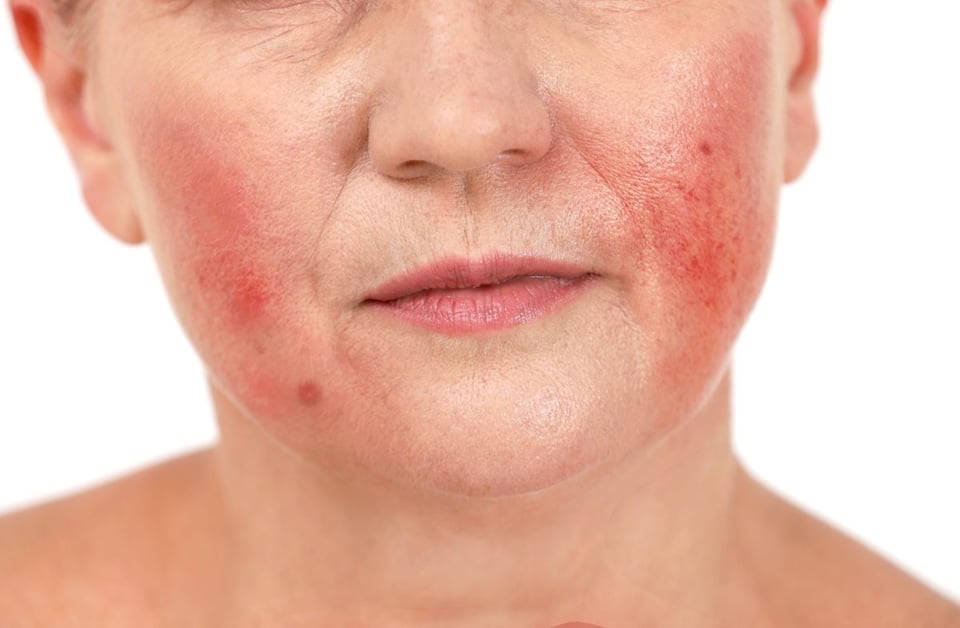
Rosacea is a chronic inflammatory condition that primarily affects the face, although in some cases it can also appear on the neck, chest, or scalp.
It is characterized by:
- Persistent redness
- A sensation of heat or burning
- Visible skin changes
- Acne-like breakouts
It is important to understand that:
- It is not contagious
- There is no specific test to diagnose it
- It can worsen over time if left untreated
Diagnosis is usually based on skin appearance, symptoms, and medical history.
Sometimes, doctors order additional tests to rule out similar conditions such as acne, seborrheic dermatitis, lupus, or contact dermatitis.
Many people confuse rosacea with allergies or common acne, which delays proper care and appropriate rosacea treatment options.
2. Symptoms That Could Indicate You Have Rosacea
- Frequent redness on the cheeks, nose, or forehead
- Burning or heat sensation on the face
- Visible blood vessels (telangiectasia)
- Papules or pustules that do not improve
- Dry, rough, or highly reactive skin
- Easy flushing triggered by emotions or temperature changes
3. How to Manage It and Keep It Under Control
[caption id="attachment_1575033" align="alignnone" width="1200"] Rosacea has no definitive cure, but it can be managed with a routine focused on protecting, soothing, and strengthening the skin through personalized rosacea treatment options.
Step 1: Daily Sun Protection
Sun exposure is one of the main triggers.
Experts recommend:
- Sunscreen SPF 30 or higher
- Formulas designed for sensitive skin
- Daily application, even on cloudy days

Step 2: Topical Treatments
In mild cases, doctors often prescribe:
- Antibiotic creams or gels
- Antiparasitic agents
- Vasoconstrictor medications to reduce redness

Step 3: Oral Medications
For moderate or severe cases, doctors may prescribe:
- Oral antibiotics for their anti-inflammatory properties
- Retinoids in more severe situations
Improvement is usually gradual and may take three months or more to become noticeable.
Step 4: Medical Procedures
Some patients may benefit from:
- Laser therapy
- Intense pulsed light (IPL) treatments
- Surgery in cases of severe skin thickening (such as rhinophyma)
In addition, it is essential to:
- Wash your face with gentle cleansers
- Avoid harsh exfoliants
- Moisturize regularly
- Treat your skin with care
4. Factors That Can Make Rosacea Worse
[caption id="attachment_1574915" align="alignnone" width="1200"]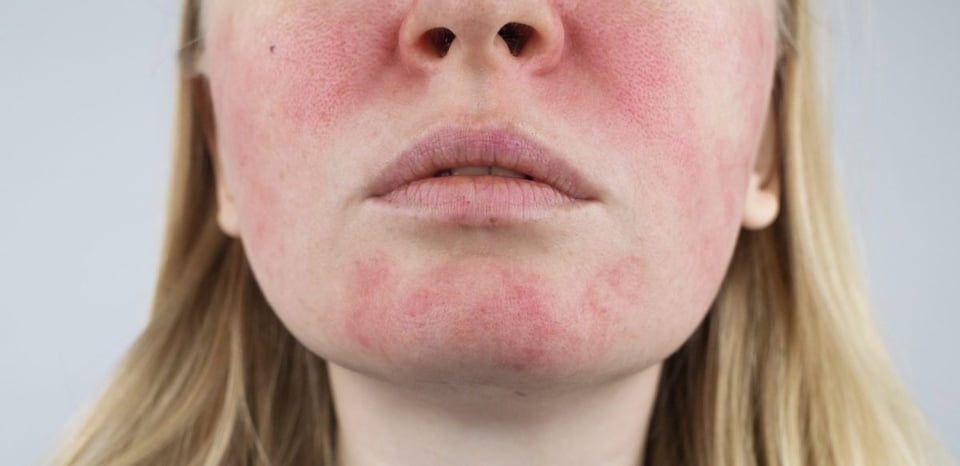 Rosacea often appears and disappears in flare-ups.
Common triggers include:
- Unprotected sun exposure
- Emotional stress
- Sudden temperature changes
- Very hot or very cold weather
- Strong wind
- Alcohol
- Spicy foods
- Hot beverages
- Strenuous exercise
- Harsh skincare products
- Certain medications
- Smoking
Each person may have different triggers.
Keeping a record of what you eat, drink, and apply to your skin can help you identify patterns.
Choosing appropriate products for sensitive skin is not optional — it is essential when exploring effective rosacea treatment options.
5. When to See a Dermatologist
Consult a specialist if:
- Redness is persistent
- There is severe pain or inflammation
- You notice changes in skin texture
- You experience eye symptoms
Ocular rosacea should be evaluated by an ophthalmologist to prevent vision complications
[caption id="attachment_1574633" align="alignnone" width="1200"]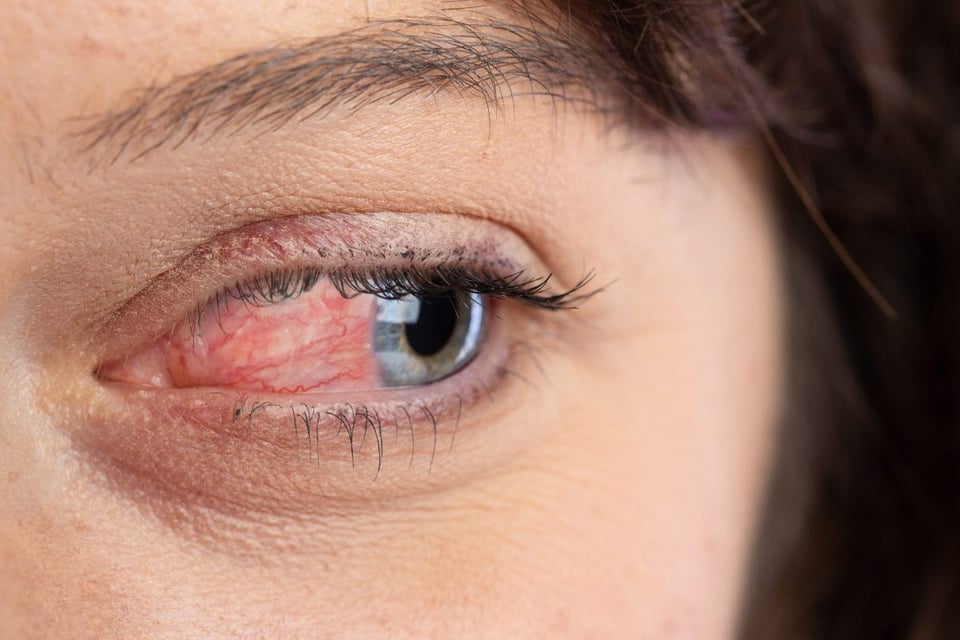 Rosacea Treatment Options: What to Do to Restore Your Skin! – PHOTO: Shutterstock
Rosacea is not life-threatening, but it can affect self-esteem and social life.
Visible redness and breakouts can cause discomfort, especially when their causes are misunderstood.
The good news is that effective rosacea treatment options exist. With proper diagnosis, personalized care, and lifestyle adjustments, it is possible to:
- Reduce flare-ups
- Improve skin appearance
- Regain confidence
Educating yourself, identifying your triggers, and seeking professional support are the first steps to ensuring rosacea does not control your life.
Disclaimer: The information presented in this article is for informational and educational purposes only. It does not replace professional medical evaluation, diagnosis, or treatment.
YOU MAY ALSO BE INTERESTED IN: Burning in Your Stomach? Discover How to Control Gastritis Naturally!
Notice: This article may contain affiliate links. If you make a purchase through some of the included links, the outlet may receive a commission at no additional cost to you.
SOURCE: National Institute of Arthritis and Musculoskeletal and Skin Diseases (NIAMS)/ Banner Health