Lawsuit Challenges USCIS Green Card Policies


Posted on 10/10/26 at 16:14
- Lawsuit challenges two immigration policies.
- Families warn of separation risks.
- Plaintiffs seek to overturn the challenged guidelines.
A coalition of unions, university associations, and immigrants has sued USCIS over two guidelines that, they claim, make it harder to obtain a Green Card without leaving the United States.
The case, American Association of University Professors v. Mullin, was filed on October 5, 2026, in a federal court in Massachusetts.
The plaintiffs include labor organizations, teacher groups, Americans for Immigrant Justice, and six individuals seeking permanent residence.
The controversy centers on the adjustment of status, a procedure that allows certain eligible applicants to process their residence from within the United States.
Adjustment of Status: What Changes with the May Memorandum
The first challenged policy is Memorandum PM-602-0199, issued on May 21, regarding the exercise of discretion when evaluating residence applications.
According to the plaintiffs, they consider the choice to adjust status in the United States, rather than to undergo consular processing abroad, unfavorable.
The coalition argues that it requires unusual or outstanding favorable circumstances to compensate for this factor, increasing difficulties for those who meet the legal requirements.
This challenge affects the evaluation of individual applications; it does not mean that adjustment of status has disappeared as a migration route.
Denials without RFE: Fewer Opportunities to Complete Evidence
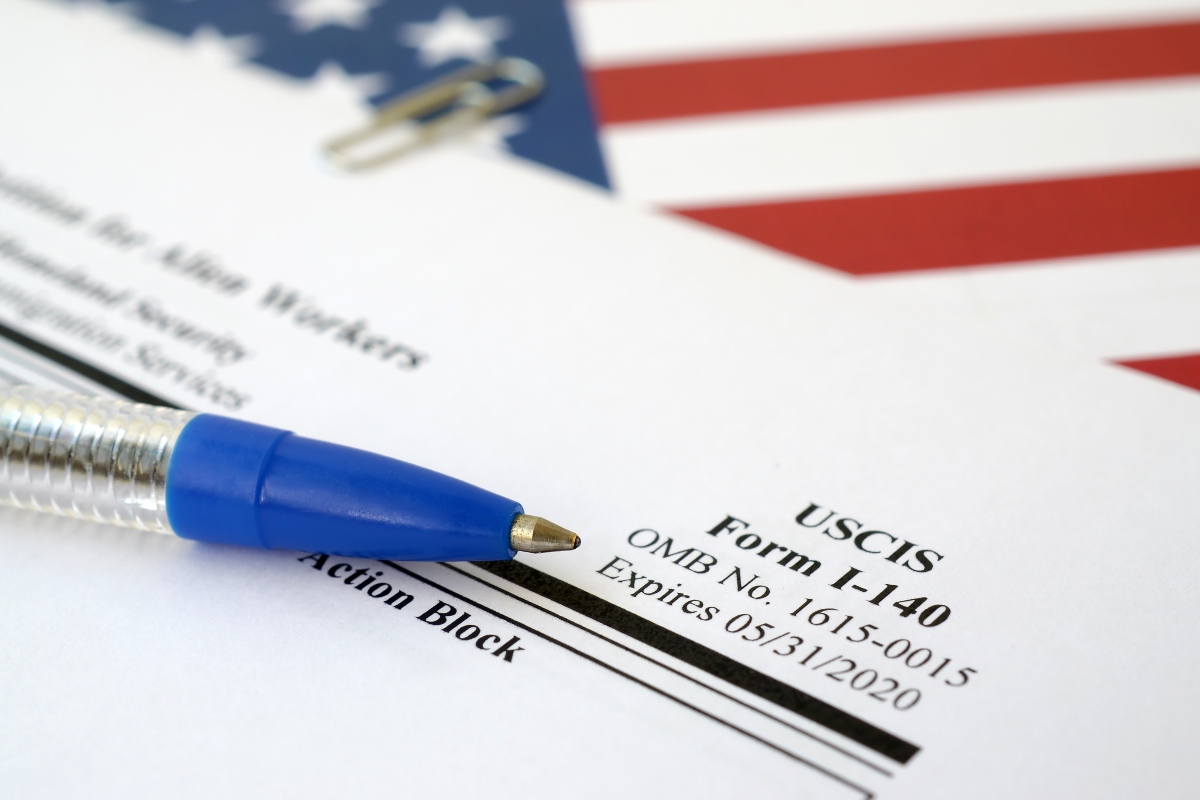
The second guideline, PA-2026-05, published on August 5, modifies the criteria for evidence, documentation requests, and pre-denial notifications.
It allows for the denial of certain applications without first issuing a Request for Evidence (RFE) or a Notice of Intent to Deny (NOID).
These mechanisms allow for the submission of additional information or responses to objections. The lawsuit challenges the fact that certain applicants may lose this opportunity during the evaluation process.
It also objects to applying the new criteria to pending applications submitted when individuals were unaware of the subsequent requirements.
Families and Workers Warn of Consequences of Leaving the Country
The plaintiffs warn that these policies could lead some applicants to continue their applications at U.S. consulates, with family and professional consequences.
Described risks include separations, work interruptions, and difficulties returning due to consular delays or visa restrictions.
The lawsuit argues that Congress created the adjustment of status precisely to allow internal processing for those who meet the corresponding conditions.
These consequences are risks posed by the coalition; they do not imply that every Green Card application now requires leaving the United States.
What the Lawsuit Seeks and What Applicants Should Review
The legal representation includes Democracy Forward, the American Immigration Council, AILA, and Colombo & Hurd, all of which seek to suspend and overturn both policies.
The complaint invokes the Administrative Procedure Act, challenges the lack of public consultation, and alleges violations of due process and applicable precedent.
Filing a lawsuit does not automatically suspend the guidelines. The plaintiffs’ petition must be distinguished from any order that the court may issue.
For those with open applications, it is essential to review evidence, notifications, and deadlines with their legal representative before modifying the application or planning trips.