Death of Guatemalan Man and Shooting of Venezuelan Raise Questions About ICE Operations


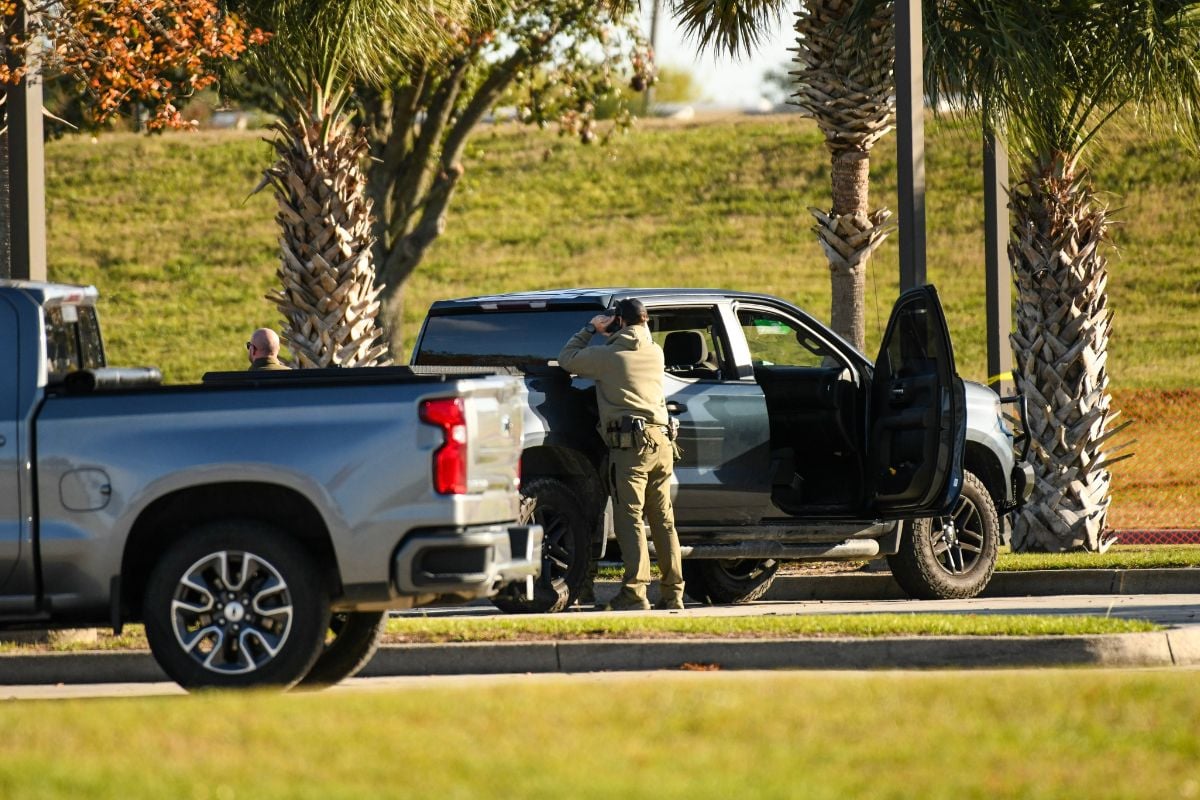
Posted on 09/25/26 at 16:36
The death of a Guatemalan man in Michigan and the shooting of a Venezuelan man in Texas have renewed scrutiny of Immigration and Customs Enforcement (ICE) vehicle stops.
Mario David Coronado Juárez died after his vehicle crashed into a tree in Grand Rapids, Michigan, following an attempted ICE traffic stop.
Why it matters: The case comes after other vehicle-related ICE operations ended in shootings, intensifying debate over the tactics and safeguards used during these encounters.
Congresswoman Tlaib Blames ICE, but DHS Offers a Different Account
Democratic Congresswoman Rashida Tlaib directly blamed the agency, writing that “ICE killed another man” and alleging that its agents pursued Coronado.
ICE killed another man. His name is Mario David Coronado Juarez.
Mario lived and worked in Michigan for 7 years as a construction worker, sending money home to his kids in Guatemala.
ICE pursued him in an unmarked car, causing a fatal car crash.
These killings have to stop.… pic.twitter.com/ZqoTY4gWiP
— Congresswoman Rashida Tlaib (@RepRashida) September 24, 2026
DHS Says Otherwise: The department says agents attempted to stop the vehicle but discontinued the enforcement action after the driver fled at high speed.
According to the government, agents later reached the crash site, where the vehicle had struck a tree and caught fire, and attempted to assist the driver.
On September 20, ICE officers attempted a stop of a vehicle registered to a known criminal illegal alien with multiple alcohol-related driving offenses who is also wanted in Guatemala for a drunk and disorderly charge, during a targeted enforcement operation in Grand Rapids,… https://t.co/l0GJ30X477
— Homeland Security (@DHSgov) September 24, 2026
DHS also says Mario David Coronado Juárez was not the original target. The vehicle was registered to another person immigration authorities were seeking.
The Dispute: Investigators will need to clarify whether an active pursuit occurred and what happened between the attempted stop and the fatal crash.
Wilber Garcés Was Shot During Another ICE Operation
On the same day, September 20, Wilber Rafael Garcés Pérez, a 28-year-old Venezuelan man, was shot by an ICE officer during an operation in Austin, Texas.
His attorney says he was working as a DoorDash delivery driver when agents in an unmarked vehicle attempted to stop him. Garcés has said the vehicle struck his car before an officer fired. The shooting remains under investigation.
Federal immigration authorities continue to hold Garcés Pérez in custody. His attorneys have also raised questions about the medical care he received after the shooting.
The Fact: The two cases do not by themselves establish a pattern of unlawful conduct, but they add to scrutiny surrounding ICE vehicle stops and use-of-force incidents.
ICE Temporarily Paused Vehicle Stops Earlier This Year
Concerns did not begin with Mario David Coronado Juárez and Wilber. In July, ICE temporarily suspended most vehicle stops after fatal shootings in Texas and Maine.
The pause was intended to allow additional training and review of vehicle-stop tactics, but Trump reversed the suspension the following day and defended traffic stops as an enforcement tool.
- The agency is also operating on a larger scale. CBS News found that ICE made an average of more than 1,580 arrests per day in July, the highest daily average of Trump’s second term.
The Process: DHS has said it is rolling out additional training for high-risk vehicle stops and other situations involving threats to officer safety.
Is There a Pattern in ICE Operations?
The incidents raise questions about when ICE should pursue or continue a vehicle stop, when agents should disengage, and what alternatives might reduce risks to officers, migrants, and bystanders.
DHS argues that fleeing from officers and resisting arrest can create dangerous situations. Lawmakers, local officials, and advocates have meanwhile called for greater transparency, expanded use of body cameras, and closer review of enforcement procedures.
Determining whether a broader pattern exists would require completed investigations and comparable data on vehicle stops, pursuits, use of force, injuries, and deaths.
For Now, the Cases of Mario David Coronado Juárez and Wilber Leave an Open Question: Do current ICE vehicle-stop procedures do enough to reduce the risk of an immigration arrest ending in serious injury or death?