ICE Relaxes Rules and Turns to AI in Detention Centers: Concerns Grow Over Treatment of Migrants


Posted on06/24/26 at 14:31
- ICE expands AI use
- More flexible rules
- Growing immigration criticism
The U.S. Immigration and Customs Enforcement (ICE) implemented changes that modify the operation of immigration detention centers across the United States, expanding the flexibility given to contractors.
The new provisions apply to both private companies and jails that house migrants, with the goal of making the daily management of these facilities more efficient.
According to the agency, the adjustments aim to “reduce the burden on our detention operators” after receiving recommendations from different groups connected to the system.
The announcement comes at a time of growing pressure on immigration infrastructure, marked by an increase in the number of people held under federal custody.
Artificial Intelligence Enters Daily Operations
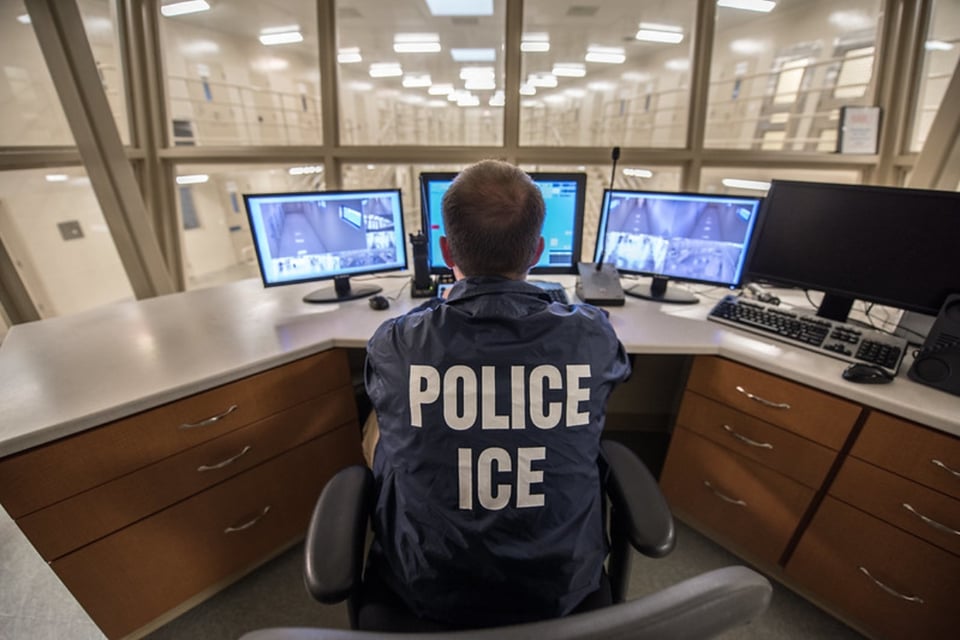
One of the most significant changes is the authorization to use artificial intelligence to facilitate communication with detainees in non-critical situations.
This includes automatic translation tools and generative systems that could be used during intake processes or everyday interactions inside detention facilities.
YOU MAY ALSO BE INTERESTED IN: Immigrants End Hunger Strike at New Jersey Detention Center After Reports of Intimidation
The use of these technologies also extends to handling general requests or minor complaints, as part of a strategy to speed up internal processes.
However, specialists warn that these tools could create risks if applied in sensitive situations, such as medical issues or emergencies.
Work Inside Detention Centers and Ongoing Criticism
The new rules maintain the “voluntary work” system for detained individuals, who receive around one dollar per day for their tasks inside the facilities.
ICE maintains that these programs do not represent formal employment, meaning they are not subject to minimum wage requirements or legal workplace benefits.
For years, organizations have criticized this model over possible exploitative conditions, especially in facilities operated by private contractors.
With the recent changes, the agency’s position regarding these concerns has been reinforced, reigniting the debate over labor rights in detention settings.
Debate Over Rights, Healthcare, and Oversight
The modifications come amid reports involving deaths in custody, as well as problems related to medical care and living conditions in several facilities.
Experts warn that greater operational flexibility could worsen these situations if proper oversight is not guaranteed inside detention centers.
Concerns have also been raised about measures requiring facilities to accept detainees, which could make it more difficult to immediately transfer serious cases to hospitals.
While ICE defends the changes as a modernization of the system, critics argue that they could weaken protection standards for detained migrants, according to Infobae.
The expansion of ICE detention centers and AI reflects a broader debate over how technology, efficiency, and migrant protections should balance within the U.S. immigration system.